


Examine The Fruit
As the mercury rises, watermelon often finds its way into our homes, celebrated for its hydrating and nutritious qualities. However, recent whispers of food
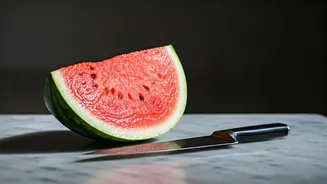
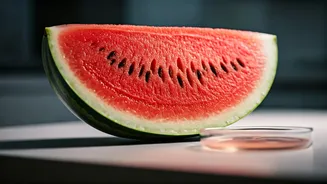
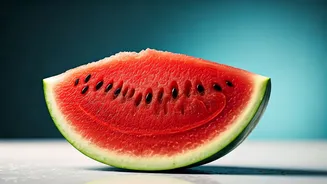
tampering and concerns about chemically enhanced produce have heightened consumer vigilance regarding their purchases. A primary worry revolves around the potential use of artificial red colorants, like erythrosine, to artificially boost the visual appeal of watermelons by making their flesh appear more vibrant. Fortunately, the Food Safety and Standards Authority of India (FSSAI) offers a straightforward method for consumers to conduct a simple inspection in their own kitchens to ascertain any signs of adulteration. This initial step involves carefully slicing the watermelon in half to fully reveal its red interior, then closely observing the flesh for any unnaturally intense or uniform redness, especially if the fruit lacks a fresh aroma or appears visually artificial.
Cotton Ball Method
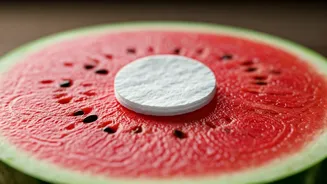
To effectively gauge the natural vibrancy of your watermelon, begin by selecting a clean, dry white cotton ball or a cotton pad. The purity of the cotton is crucial, as it will readily show any colour transfer, making adulteration readily apparent. Once you have your pristine cotton material, gently yet firmly rub it across the freshly cut surface of the watermelon's red pulp multiple times. This action is designed to pick up any loose pigments or artificial dyes that may have been applied to enhance the fruit's colour. Pay close attention to the cotton ball after this step; its appearance will provide the key indicator.
Interpreting Results
The final and most telling part of this at-home safety check is the examination of the cotton ball itself. If, after rubbing it against the watermelon's flesh, the cotton ball remains its original white colour, it strongly suggests that the fruit is free from added synthetic dyes and likely boasts natural coloration. Conversely, if the cotton ball shows a distinct pink or red hue after contact, this is a significant warning sign. It may indicate the presence of artificial colouring agents, such as erythrosine, which have been used to artificially intensify the watermelon's vibrant appearance, compromising its natural quality.
Health And Other Cues
Ingesting fruits that have been treated with artificial colourants can trigger a range of unpleasant symptoms, including nausea, vomiting, stomach discomfort, diarrhoea, and a general loss of appetite. Furthermore, prolonged exposure to unauthorized food additives could potentially lead to more serious long-term health complications. Beyond the cotton ball test, several other indicators can help you select a truly ripe and natural watermelon. Look for a creamy yellow 'field spot' where the fruit rested on the ground, signifying it ripened naturally on the vine. The fruit should feel weighty for its size, and a gentle tap should produce a hollow sound, typical of ripeness. It's also advisable to steer clear of watermelons exhibiting any cuts, dents, or soft patches.