







The Elderly Landscape
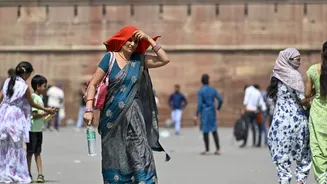
India's senior citizen demographic is rapidly expanding, projected to reach approximately 230 million by 2036. This demographic shift brings with it a heightened
prevalence of age-related health concerns. Conditions such as stroke, arthritis, persistent joint pain, and diminished balance significantly impact mobility. Beyond physical limitations, these issues frequently lead to a decline in independence, heightened anxiety and depression, disrupted sleep patterns, and profound social isolation. The essence of aging well, as defined by experts, extends beyond merely managing diseases. It encompasses maintaining functional abilities, fostering autonomy in decision-making, enabling ease of movement, and preserving overall dignity. In this context, adopting digital innovations presents a logical pathway to support and improve the lives of older adults, offering them new avenues for engagement and well-being.
VR's Transformative Potential
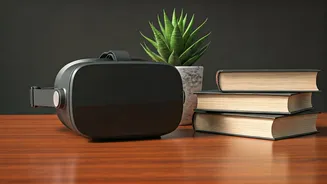
Across the globe, virtual reality is enabling older adults to experience activities they once thought lost to time. From simulated skydiving and revisiting cherished childhood memories to virtual travel, VR offers these experiences safely from home. This technology transcends mere recreation, serving as a potent lifestyle tool for enhanced health. It's particularly promising for addressing under-recognized and undertreated mental health conditions among the elderly, where stigma often prevents individuals from seeking help. Scientific research indicates that VR interventions are effective in improving mental well-being and fostering brain plasticity, keeping it agile, responsive, and well-connected. This creates a compelling case for its adoption in India.
The Neurological Advantage
From a scientific standpoint, VR operates on multiple levels to benefit seniors. Neurologically, it simultaneously engages sight, hearing, and sometimes touch, actively stimulating the brain and promoting its adaptability. VR-based games and exercises are instrumental in enhancing balance, coordination, and crucial cognitive functions like attention, memory, and spatial awareness. A significant challenge in geriatrics is diminished reaction time, which VR offers a safe method to improve. Furthermore, it facilitates dual-tasking – the ability to think and move concurrently. The immersive environments within VR act as beneficial distractions, aligning with established behavioral therapy principles such as gradual exposure for managing fears and phobias. By replicating real-life scenarios in a controlled, calming virtual setting, individuals can engage with stimuli while feeling secure and receiving positive reinforcement.
Physiological and Psychological Gains
Physiologically, VR aids seniors in overcoming the psychological impact of events like falls, strokes, or surgeries. The fear of falling can often be more debilitating than the physical reality. VR allows individuals to practice movements in a safe, controlled environment, which gradually rebuilds their confidence. As patients feel more secure, they tend to move more freely, naturally reducing anxiety during therapeutic exercises. This gamified approach to health makes therapy feel more emotionally resonant than purely mechanical. Familiar virtual settings, such as a temple visit, can evoke comfort and connection, lifting moods and boosting engagement. As users take small steps and adjust their posture, therapy becomes seamlessly integrated with these positive feelings, leading to a gradual restoration of confidence in their physical abilities.
Targeted Applications and Engagement
VR offers targeted solutions for common elderly issues, including dementia. This condition affects not only memory but also attention, orientation, speech, and emotional regulation. VR enables individuals to practice navigating complex environments, like streets, remembering routes, and retracing steps, all without the risks of the real world. A significant outcome observed is increased user engagement, as traditional therapies often suffer from boredom and high drop-off rates. VR fosters intrinsic motivation, encouraging users to repeat activities more frequently, which is directly correlated with improved neurological outcomes. The technology's ability to make therapy feel meaningful and interactive is key to its effectiveness.
Indian Adoption and Costs
Virtual reality is already making inroads into eldercare services within India. Companies like ReWin Health have conducted over a hundred thousand VR sessions across various clinics nationwide, reporting substantial improvements in patient satisfaction and significant reductions in anxiety and depressive symptoms. While there isn't a standardized cost, a single VR session typically ranges from Rs 500 to Rs 1,500. Monthly programs can vary from Rs 8,000 to Rs 25,000 or more, depending on the provider and the scope of services.
Navigating the Challenges
Despite its promise, VR adoption for eldercare faces accessibility hurdles. Not all elderly individuals are adept with technology, creating barriers to purchasing headsets and setting up VR modules. Some seniors may experience adverse effects like dizziness, nausea, or eye strain, necessitating extra caution for those with existing balance or neurological issues. The effectiveness of VR design elements, such as lighting and motion realism, is crucial to avoid sensory discomfort. Other challenges include the perception of VR primarily as a gaming tool, limited insurance coverage for rehabilitation therapies, and the need for specialized training for therapists who supervise these sessions. Currently, most VR sessions require professional guidance.
The Future of Home-Based VR
While VR is not a substitute for medical treatments or human care, it is seen as a valuable complementary tool that can also alleviate the burden on caregivers. Experts foresee VR significantly enhancing elderly lifestyles through more structured implementation. Future possibilities include virtual communities enabling seniors to socialize and attend events remotely, even if physically confined. However, scaling these services beyond major metropolitan areas remains a challenge. Potential solutions involve mobile, community-based models where home-care workers can offer short VR sessions. Establishing community VR hubs in accessible locations like malls or centers, rather than solely in hospitals, could also improve accessibility for individuals over 60, ultimately supporting their independence and well-being.