






Scent's Surprising Dating Power
In the quest for romantic chemistry, more than just a captivating smile or witty remark comes into play. A significant portion of singles, precisely 43%,
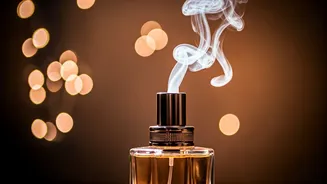
indicate that a potential partner's scent plays a more critical role in a date's success than one might assume. Astonishingly, a quarter of daters, or 26%, would even prioritize smell over physical appearance when assessing attractiveness. The influence is particularly pronounced among women, with nearly a third (31%) admitting they are more likely to be drawn to a man with an appealing scent than one possessing conventionally good looks. This highlights that our sense of smell is a potent, though often unconscious, influencer in the initial stages of romantic connection and can significantly impact perceptions of compatibility.
The Science of Scent Attraction
The impact of scent on attraction is multifaceted, operating on both conscious and subconscious levels. Our olfactory system is directly connected to the brain's limbic system, the area responsible for processing emotions and memories. This intimate link allows scents to evoke immediate emotional responses and subtly guide our feelings of attraction towards certain individuals. Research suggests that pleasant, gender-congruent fragrances can enhance perceptions of beauty and charm, positively influencing first impressions. This underscores how environmental and personal scents can create an atmosphere conducive to positive romantic engagement, going beyond mere physical appeal to shape our overall perception of a person.
Unique Body Chemistry
Each individual possesses a distinct natural scent, a complex profile shaped by a combination of genetic makeup, dietary habits, hormonal fluctuations, and lifestyle choices. This personal olfactory signature interacts uniquely with any fragrances or products applied to the skin, creating a truly personalized scent experience. It's crucial to understand that a fragrance won't smell the same on everyone; factors like skin pH, body temperature, and the natural oils present all contribute to how a scent evolves. This individualized interaction is precisely why scent is so vital in attraction – it acts as a unique biological marker, potentially signaling compatibility on a fundamental level and making each person's scent a bespoke element of their appeal.
Evolutionary Mate Selection
From an evolutionary standpoint, scent has historically played a pivotal role in mate selection processes. Studies have indicated that humans are often instinctively drawn to individuals whose immune system genes, known as MHC genes, differ from their own. This genetic variation is thought to contribute to healthier offspring with more robust immune systems. While we may not consciously perceive these genetic differences, our sense of smell can detect subtle chemical cues that provide insights into a potential partner's biological compatibility. Evidence suggests that women, in particular, may possess an innate ability to detect genetic compatibility through scent, often preferring the aroma of men whose MHC genes complement their own.
Beyond Pheromones: Chemical Signals
Although the definitive role of human pheromones remains a subject of scientific inquiry, it's undeniable that our bodies emit chemical compounds detectable by others. These substances, released through perspiration and skin contact, are believed to influence attraction and social bonding in subtle ways. The often-discussed concept of 'chemistry' between individuals might be more than just a metaphor, involving the exchange of real chemical signals that we are not consciously aware of. These subconscious olfactory cues can be instrumental in fostering an immediate sense of connection or, conversely, in creating an inexplicable feeling that something isn't quite right between two people.
Scent and Long-Term Bonds
The influence of scent extends beyond the initial spark of attraction, continuing to nurture romantic connections and deepen emotional intimacy over time. The sense of smell is profoundly intertwined with memory formation, enabling certain aromas to instantly evoke specific moments, places, or individuals. In the context of relationships, a partner's scent becomes intrinsically associated with feelings of comfort, security, and affection. This olfactory association reinforces the shared bond and contributes to a sense of emotional well-being. Furthermore, research indicates that exposure to a romantic partner's scent can measurably reduce stress levels, as evidenced by lower cortisol, the stress hormone, suggesting a tangible role for partner scent in emotional regulation and relationship security.