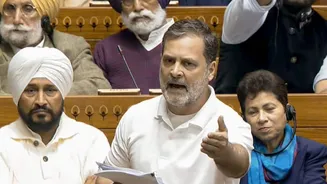









Deal's Genesis
The India-US trade deal emerged as a focal point, indicating a shift towards a stronger economic collaboration between the two nations. The initiative
encompassed various strategies, aiming to enhance trade relations and resolve pre-existing disagreements. This pact was driven by a mutual desire for deeper economic ties, recognizing the mutual benefits of a reinforced partnership, including the potential for amplified economic expansion and job creation. There were intensive negotiations, highlighting the complexity and the challenges in aligning trade policies and priorities. The culmination of discussions resulted in a comprehensive agreement, which was designed to establish a framework for consistent economic growth and stability.
Key Agreement Points
The trade agreement is structured around several significant aspects that represent its core elements. A crucial aspect involves the mutual reduction of tariffs on specific goods, facilitating greater trade and competitiveness in both markets. Further, the agreement addresses the elimination of trade barriers, streamlining the flow of commodities and services and thereby boosting economic efficiency. The discussions also emphasized investment promotion, encouraging capital flows and reinforcing financial bonds between India and the United States. Also, the agreement involves a focus on areas like intellectual property rights, intended to safeguard innovation and promote technological exchanges. By addressing and managing these key elements, the trade deal sets the groundwork for a more cohesive and resilient economic partnership.
Impact on Indian Economy
The implications of the trade deal for the Indian economy are wide-ranging and significant. The tariff reductions are poised to render Indian exports more competitive in the US market, potentially leading to increased sales and revenue. The removal of trade barriers is projected to simplify operations for Indian businesses, reducing transaction expenses and facilitating market access. Increased investment from the United States could drive job growth and improve technological competencies across varied sectors. The agreement also provides chances for the growth of small and medium-sized enterprises (SMEs), allowing them to widen their market reach and contribute more to the economy. This pact is designed to stimulate economic expansion and reinforce India's position in the global market.
US Economic Implications
The trade agreement also offers important gains for the United States economy. The reduction of tariffs can lower the costs of certain imports, benefiting American consumers and businesses. The elimination of trade barriers is expected to increase the productivity of businesses by streamlining supply chains and improving market efficiency. The arrangement also increases chances for US enterprises to invest in India, enabling expansion and job generation. Also, a stronger trade partnership may help reinforce the United States' role as a global economic leader. The combined impact of these measures is anticipated to promote economic growth and stability for the United States, cementing its financial relationships with major global partners.
Russian Oil's Place
The agreement's structure includes a specific framework related to the ongoing purchase of Russian oil. India has declared that it is unlikely to stop purchasing Russian oil completely, showing a pragmatic strategy toward energy security and economic stability. This decision highlights India's attempts to navigate the intricate geopolitical environment while securing affordable energy supplies for its population. The United States has acknowledged India's position, indicating a nuanced approach that takes into account India's financial interests and requirements. This strategy illustrates the complexities involved in international trade and the necessity for flexible solutions in times of uncertainty. Maintaining ties with Russia while strengthening its relationship with the United States represents India's strategy for navigating the complexities of global economics.
Tariff Dynamics Explored
A core aspect of the India-US trade agreement is the establishment of tariff structures. The goal is a more beneficial trade environment that removes certain trade barriers. The deal addresses an 18% tariff on a variety of items, which can significantly affect trading patterns. This cut in tariffs reflects a broader ambition to facilitate smoother trade and drive down costs for both nations. By cutting the tariffs on select commodities, both nations anticipate an increase in trade volume and enhanced competition. These changes also indicate the aim of harmonizing trade practices and streamlining the movement of commodities between the two economic entities. The reduction of tariffs signifies a significant step toward a more unified and mutually advantageous economic partnership.
Trade Deal's Future
The long-term implications of the India-US trade agreement are extensive and could influence global economic ties. This partnership establishes a framework for ongoing cooperation, which could lead to further agreements and expanded areas of collaboration. By fostering stronger relationships between the two countries, the deal might become a model for other trade partnerships worldwide. This could pave the way for a more unified and cooperative global economic system. The success of this trade agreement will be contingent on the two nations' ability to manage any difficulties and adapt to shifting economic situations. Continuous dialogue, mutual respect, and a shared vision are essential to ensure the deal’s enduring success and positive impact on the economic landscape.