






The Late Arrival
The Neelam mango is a remarkable fruit, distinguished by its exceptionally late ripening period. While most popular mango varieties have already concluded
their harvest and disappeared from markets by May, Neelam begins its grand entrance, typically ripening from May through July, and sometimes even stretching into August. This unique timing positions it as one of the last mangoes available in the summer fruit cycle, earning it the affectionate moniker of a 'late-season saviour'. It plays a vital role in prolonging the availability of this beloved fruit, ensuring that the mango season doesn't abruptly end but gracefully transitions towards the monsoon. This extended availability helps maintain a connection with consumers who crave mangoes beyond the usual peak months, offering a delicious respite until the next season arrives.
Cultivation and Climate
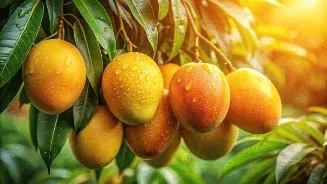
Neelam's distinctive late ripening is deeply rooted in its cultivation across India's southern states, including Tamil Nadu, Andhra Pradesh, Karnataka, and Telangana. These regions, characterized by their warm and consistent climates, provide the ideal environmental conditions for Neelam mango trees to thrive and produce fruit that matures significantly later than other varieties. The trees themselves are naturally predisposed to flowering at a later stage in the season compared to early-ripening mangoes. This delayed flowering directly translates into a fruit maturation cycle that falls after the main harvests of other mango types. This biological timing ensures a dependable and naturally staggered crop, contributing to the fruit's consistent availability when other supplies dwindle, a crucial factor for the agricultural calendar.
Economic Significance
For farmers, the Neelam mango represents more than just a late-season crop; it's a strategic source of secondary income. After selling their early-harvest varieties, farmers can rely on Neelam to provide an additional revenue stream, stabilizing their earnings and mitigating the risks associated with a single harvest period. This provides greater financial stability, especially when the market is saturated with early mangoes or when their prices are lower. Similarly, fruit traders depend heavily on Neelam to maintain a consistent supply in markets as premium varieties conclude their run. By stocking Neelam, traders can meet the persistent consumer demand for mangoes during late summer, ensuring their businesses remain robust. This variety acts as a crucial bridge, preventing a complete drop-off in mango availability and demand.
Sensory Appeal and Shelf Life
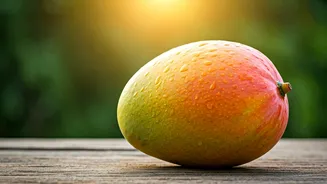
Despite not being as widely recognized as some of the more premium mango varieties, Neelam offers a delightful sensory experience. Its flavour is a pleasing balance of sweetness with a subtle tang, complemented by a soft, fibreless pulp and an inviting aroma that makes it a reliable choice for mango enthusiasts. Beyond its taste, Neelam possesses a significant advantage in its longer shelf life compared to many other mango types. This enhanced durability makes it exceptionally well-suited for the rigours of transport, storage, and extended distribution networks. This characteristic is invaluable during the closing weeks of the mango season, allowing the fruit to reach consumers in good condition even after traveling longer distances or being stored for a period.
Sustaining Mango Culture
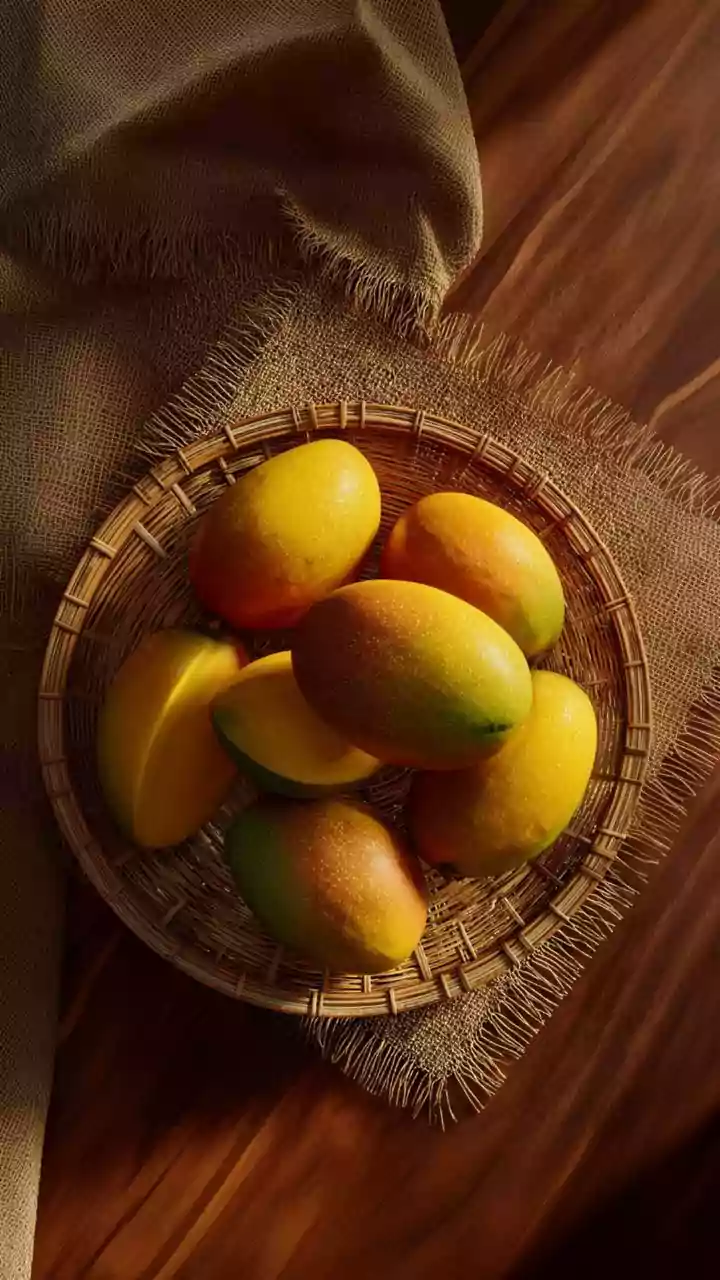
As the general availability of mangoes diminishes with the end of peak seasons, consumer demand for the remaining varieties, like Neelam, naturally escalates. It becomes one of the few fresh fruit options readily accessible in fruit stalls and local markets, ensuring that the mango season's presence lingers. Though it might not grab the spotlight like its more famous counterparts, Neelam quietly, yet effectively, sustains India's mango supply chains. It plays an indispensable role in keeping the fruit relevant and accessible to the public long after the initial abundance has passed. By extending the season and fulfilling this critical market gap, Neelam truly embodies its reputation as the late-season saviour, supporting growers and delighting consumers until the very last days of summer.