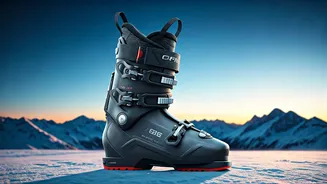




Boot Technology Advancements
Ski boots are undergoing significant transformations, with advancements aimed at improving both comfort and performance. One major trend is the use of
custom-molded boot liners. These liners, designed to perfectly fit the skier's foot, promise enhanced comfort and more efficient power transfer to the skis. Materials science plays a key role, with the development of lighter, stronger, and more responsive plastics and composites used in boot shells. These materials allow for boots that are both supportive and flexible, accommodating a wider range of skiing styles and skill levels. Furthermore, expect to see integrated heating systems and smart technologies in boots, providing skiers with greater control over their foot temperature and feedback on their performance. These developments are not just about making skiing more comfortable; they are about optimizing the skier's connection to the skis for better control and responsiveness.
Material Science Revolution
The materials used in skis, poles, and other equipment will continue to evolve. Expect to see increased use of advanced composites, like carbon fiber and graphene, which offer an impressive strength-to-weight ratio. This translates into skis that are lighter, easier to maneuver, and still capable of handling high speeds and varied terrain. Biodegradable and recycled materials will also become more prominent, driven by the desire for sustainable and environmentally friendly products. This shift will involve research into new resins, fibers, and construction techniques that minimize the environmental impact of manufacturing. Moreover, materials will be engineered to provide improved vibration damping, reducing fatigue and enhancing stability at high speeds. This material science revolution promises to make ski gear more durable, versatile, and environmentally conscious.
Smart Technology Integration
The integration of smart technology into ski gear is another major trend. Expect to see features like integrated sensors in skis and bindings that monitor performance metrics such as speed, G-force, and edge angle. This data will be available to skiers in real-time via a heads-up display or through a smartphone app, enabling them to track progress and identify areas for improvement. Beyond performance tracking, technology will also enhance safety. For instance, avalanche safety systems may become more sophisticated, integrating GPS tracking and communication capabilities. Smart helmets will offer improved impact protection and potentially include features like integrated communication systems for easier interaction with other skiers. These technological advancements will aim to improve safety, enhance the skiing experience, and provide valuable data for both recreational and competitive skiers.
Design and Ergonomics
Design and ergonomics will play a crucial role in the future of ski gear. Manufacturers are focusing on creating equipment that fits the human form more naturally, optimizing comfort and performance. Ski shapes and profiles will continue to evolve, with wider skis gaining popularity for their versatility in various snow conditions. The design of ski boots will become more focused on accommodating different foot shapes and skiing styles, with adjustable features and customizable fits becoming commonplace. Pole designs will also see improvements, with ergonomic grips and advanced materials contributing to better control and reduced fatigue. These design improvements will aim to make ski gear more user-friendly, comfortable, and efficient, ensuring that skiers can enjoy their time on the slopes to the fullest.
The Future of Skiing
The cumulative effect of these advancements will be a transformed skiing experience by 2027. Skiers can expect better performance, increased comfort, and enhanced safety. The integration of technology will provide skiers with valuable data and feedback, allowing for more personalized experiences and greater control on the slopes. Sustainability will become a key driver, with more environmentally friendly materials and manufacturing processes being adopted. Overall, the future of skiing is poised to be more exciting and accessible than ever before, with gear that not only enhances performance but also considers the needs of the skier and the environment.