



Furniture Fails
Many patios suffer from a severe lack of furniture, making them feel like functional spaces rather than areas for relaxation. When designing your patio,
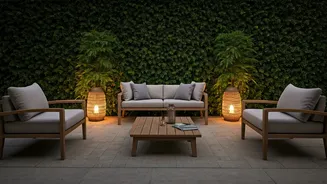
approach it with the same thoughtfulness you would an interior room. Simply placing a dining set often results in a space that feels utilitarian, prompting guests to 'eat and leave.' To cultivate an inviting atmosphere, incorporate elements that encourage lingering, such as a comfortable lounge seating arrangement, a whimsical hanging chair, or a built-in bench. These additions foster a sense of warmth and create an appealing environment for reading, working, or socializing, effectively turning your patio into a cherished spot for everyday enjoyment and extending the living space of your home.
Lighting Lapses
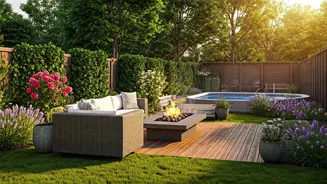
The usability of a patio can be significantly diminished if adequate lighting is overlooked, rendering it a dead space after sunset. Good lighting is crucial for enjoying your patio day and night. Designers suggest a variety of lighting solutions, including charming string lights, atmospheric lanterns, functional sconces, and the ambient glow of a fire pit. The key is to select options that align with your personal style and how you intend to use the space. Failing to illuminate your patio means missing out on its full potential, allowing it to become a dark, neglected area. Layering different types of light sources can dramatically enhance the ambiance, creating a more intimate and thoughtfully designed outdoor retreat.
Accessory Absence
Just as in interior design, decorative accessories play a vital role in bringing personality and comfort to an outdoor patio. The absence of these elements can leave a patio feeling stark and unfinished. Consider introducing outdoor rugs to define zones and add warmth, toss pillows for comfort and color, stylish planters to house greenery, and of course, thoughtful lighting. These additions contribute texture, visual interest, and a sense of homeliness, transforming an open, empty expanse into a curated and inviting outdoor room. Without these finishing touches, the space might feel more like a transitional area than a destination for relaxation and enjoyment.
Greenery Gaps
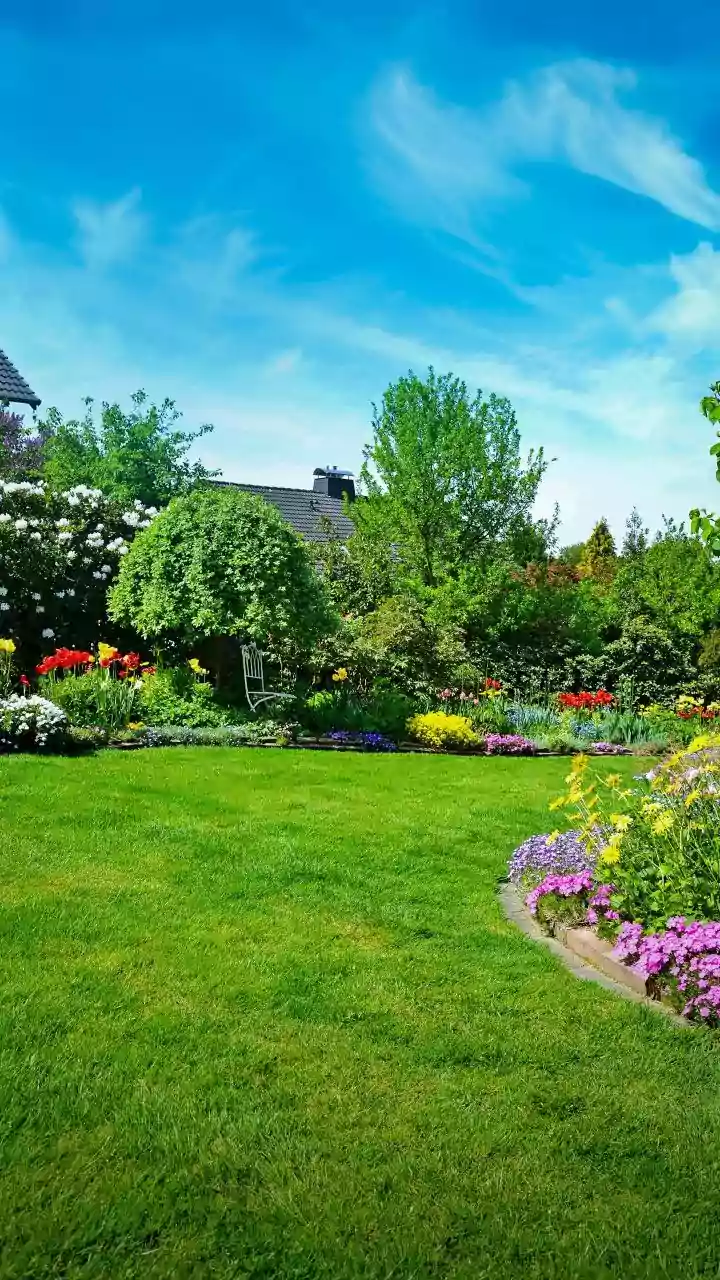
A patio can appear stark and empty if it lacks sufficient greenery, particularly when large expanses of hardscaping are visible. Introducing plants in attractive planters is essential for softening the space and creating a more balanced, designed look. The visual impact of plants helps to fill voids and break up large, unadorned areas. Even if purchasing new planters feels costly, exploring secondhand options can yield beautiful and affordable vessels. The presence of lush foliage not only adds color and life but also contributes to a more inviting and natural feel, making the patio a more serene escape.
Plant Sizing Strategy
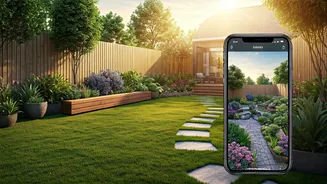
While greenery is crucial for a well-designed patio, the size and placement of plants are equally important for achieving a full and cohesive look. A common oversight is using plants that are too small, which can leave significant amounts of exposed soil and make the space appear unfinished. Designers recommend selecting plants that are large enough to cover the majority of the dirt in garden beds, with ground cover like pebbles or mulch used to fill any remaining gaps. This strategic approach creates an illusion of fullness and a more established, mature garden aesthetic, ensuring the greenery contributes effectively to the overall appeal of the patio.