





Orbital Malfunction Strikes Again
In a concerning repeat event, a SpaceX Starlink satellite has encountered a significant malfunction, resulting in the creation of space debris. This marks
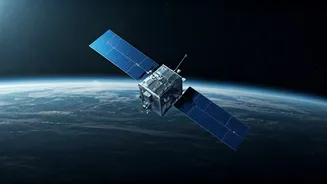
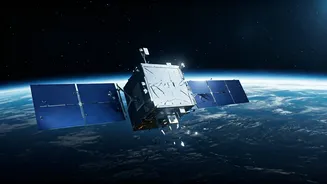
the second such incident in just over three months, raising questions about the reliability of these constellations. On March 29, Starlink 34343 experienced an anomaly that led to a complete loss of communication with the spacecraft. Launched in May 2025, this satellite was operating at an altitude of 560 kilometers. The event was observed by LeoLabs, a specialized radar tracking company, which reported detecting dozens of new objects in the vicinity of the malfunctioning satellite shortly after the incident. While both SpaceX and LeoLabs have downplayed the immediate risks, the accumulation of debris in Earth's orbit remains a persistent concern for space operations.
Debris Impact and Risk Assessment
The recent anomaly involving Starlink 34343 has generated numerous pieces of debris. LeoLabs has indicated that the low altitude of this event means the fragments are likely to deorbit naturally within a few weeks. Importantly, both SpaceX and LeoLabs have stated that the debris poses no immediate threat to critical space assets like the International Space Station or the upcoming Artemis 2 mission. This reassessment of risk is crucial given the increasing density of objects in low Earth orbit. The company proceeded with another Starlink launch mission shortly after confirming the anomaly, highlighting a confidence in their risk management protocols despite the recurring nature of these incidents.
Echoes of a Past Incident
The current malfunction bears a striking resemblance to a previous incident on December 17 involving Starlink-35956. In that case, an unknown anomaly caused a rapid release of propellant from the satellite's tank, leading to a swift drop in altitude of 4 kilometers. Despite this dramatic event, the satellite remained structurally intact, as confirmed by imaging satellites. LeoLabs suggested that the earlier failure might have stemmed from an 'internal energetic source,' such as a propellant tank or battery, rather than an external impact. That incident occurred at a lower altitude of 418 kilometers, with its debris remaining below the ISS, and the satellite was officially declared a total loss in January.
Investigating the Root Cause
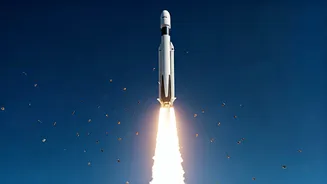
SpaceX has not yet publicly disclosed the specific cause of either the December or the recent March anomaly, nor have they confirmed if Starlink 34343 suffered the exact same issue as its predecessor. The company has emphasized that their teams are diligently working to pinpoint the root cause of the latest malfunction and are prepared to implement necessary corrective actions swiftly. Unlike the December incident, which saw a temporary pause in Starlink launches, there has been no immediate indication of a similar delay following the March 29 anomaly. A Falcon 9 rocket successfully launched 29 additional Starlink satellites just hours after SpaceX released their statement, showcasing continued operational momentum.