



Gentle Heat is Key
Many home cooks inadvertently create tough paneer by boiling the milk too vigorously or maintaining excessively high heat during the curdling process.
This aggressive heating causes the milk proteins to constrict too rapidly, resulting in dense curds that hold less moisture. Consequently, the final paneer texture becomes unpleasantly chewy and firm. To achieve a tender outcome, it's crucial to allow the milk to reach a gentle simmer before introducing the acidic agent. Once the milk begins to separate into curds and whey, immediately remove the pot from the heat to halt further protein tightening. This careful temperature control is the foundational step for soft paneer.
Mind Your Acid
The amount of acidic ingredient, whether it's lemon juice or vinegar, directly impacts the paneer's final consistency. While essential for separating the milk solids from the whey, using too much acid can lead to paneer that is overly firm, slightly grainy, and even has a faintly sour taste. You'll notice the curds appear unusually tight and dry, and the paneer hardens significantly after pressing. The solution lies in gradual addition. For approximately one liter of milk, start with a measured amount, typically between one to two tablespoons. Continue adding the acid slowly, stirring gently, and stop the moment the whey achieves a pale green, clear appearance. This precise pH balance is vital for a tender texture.
Pressing with Care
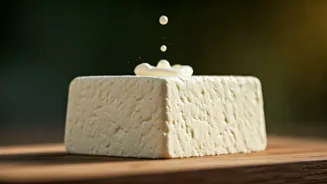
After straining the curds, the next critical stage is pressing to form a solid block of paneer. However, applying excessive pressure or prolonging the pressing time can expel too much of the precious moisture. This over-pressing leads to a dense, hard paneer that lacks the desired softness when cut and develops a distinctly rubbery bite when cooked. To avoid this, use moderate pressure and limit the pressing duration to around 20 to 30 minutes. The paneer should be firm enough to hold its shape, but it should still feel yielding and slightly soft to the touch, indicating that adequate moisture has been retained.
The Cooling Factor
A step often overlooked but crucial for achieving tender paneer is cooling the curds properly after straining. Many home cooks bypass this, but it plays a significant role in locking in that desirable softness. Cooling the curds helps to arrest the cooking process immediately after curdling, preventing them from becoming tougher. It also aids in washing away any residual acidity that might contribute to a firmer texture. To implement this, once the curds are strained in a muslin cloth, give them a quick rinse under cold water before proceeding to the pressing stage. This brief exposure to cold helps maintain a tender consistency throughout the paneer.
Milk Matters Most
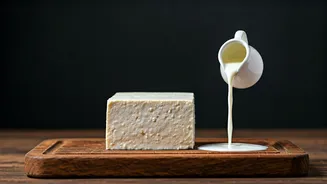
The type and quality of milk used are foundational to the texture of your homemade paneer. For the softest, creamiest results, always opt for fresh, full-fat milk. Milk with a higher fat content yields curds that are naturally more tender and easier to work with. Conversely, using toned or skimmed milk, or ultra-processed, long-life varieties, often leads to a less desirable, rubbery outcome. The fat globules in full-fat milk contribute to a smoother, more pliable curd structure, which translates directly into a superior final paneer texture, perfect for all your culinary creations.