






Quick Crop Starts
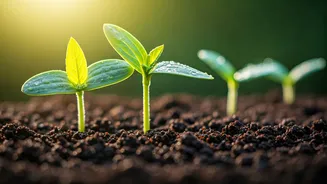
For the impatient gardener, several crops offer rapid rewards. Green beans are exceptionally fast, often ready for picking within 45-55 days of planting,
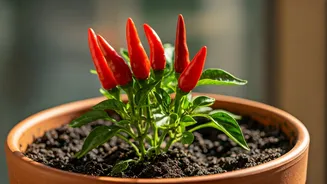
requiring well-drained, fertile, and slightly acidic soil in full sun. Bell peppers, similarly easy, thrive in fertile, well-drained soil post-frost, needing six to eight hours of daily sunlight, and can be grown in containers or the ground. Cucumbers, while also planted after the last frost in fertile, well-drained soil, mature in as little as six weeks with about an inch of water weekly. As vining plants, cucumbers benefit greatly from trellises, which frees up ground space for other plants. Radishes are another excellent choice for quick gratification; their seeds can be sown in spring and fall for continuous harvest. These speedy growers provide a satisfying early yield, boosting confidence for novice cultivators.
Versatile Staples
Tomatoes, a garden essential, are celebrated for their ease of cultivation and culinary adaptability. Whether grown from seed or transplants in mid-spring, they flourish in well-drained, fertile, and slightly acidic soil, demanding daily watering and the support of a trellis to prevent disease and pest issues. Basil, a fragrant herb that complements countless dishes, shares similar growth needs with tomatoes but must be planted only after all frost has completely vanished. It can be cultivated independently in containers or strategically placed as a companion plant for tomatoes. Onions are remarkably simple to manage, whether planted from seed or sets. They are content in loose, well-drained, fertile soil rich in organic matter and require ample sunlight to flourish. Their compact nature makes them ideal for container gardening, maximizing space efficiency.
Root and Leafy Greens
Root vegetables like carrots and potatoes are surprisingly beginner-friendly. Carrots sprout in about 70 days and can be grown year-round in spring or fall, avoiding peak summer heat. They prefer loose, well-drained soil in full sun and require consistent watering—an inch per week until sprouting, then two inches to reach the roots. Carrots do best in the ground or raised beds for better airflow and space. Potatoes, with numerous varieties available, are also easy to grow, needing full sun for at least six hours and regular watering. Plant them in well-drained, loose, loamy soil with high organic content, suitable for beds, ground, or containers. For those seeking leafy greens, lettuce is an excellent option. It can be planted in spring or fall and is ready to harvest in about a month. Notably, lettuce thrives in shadier spots, needing only about four hours of sunlight daily, making it perfect for gardens with limited sun exposure.
Fruiting Delights
Beyond vegetables, incorporating fruits and berries enhances any garden. Strawberries are remarkably easy to grow, requiring ample root space, full sun, and well-drained, sandy soil, yielding a harvest within 60-90 days. Blueberries are also simple to cultivate, tolerating partial shade and preferring acidic soil with about an inch of water weekly, though they can take several years to reach full maturity. Blackberries, another straightforward fruit to grow, typically prefer spring planting in well-drained, acidic soil; erect varieties grow upright, while trailing types need trellising. Figs, while slow to mature (producing fruit in three to five years), are easy to plant and maintain once established, thriving in moist, well-drained soil. Apple trees also require patience, needing about six years post-planting before their first harvest, but are relatively easy to grow in appropriate climate zones.
Aromatic Herbs
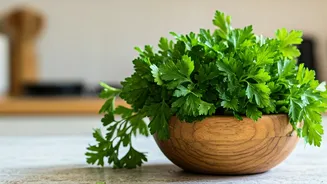
Enhance your culinary creations with these easy-to-grow herbs. Rosemary is a low-maintenance herb that thrives from seedlings in well-drained, loamy, slightly acidic soil. While it prefers full sun for optimal growth over 6-12 months, it can tolerate partial shade. Chives, related to green onions, are not technically vegetables but herbs that grow well from seed or seedlings in containers, taking about 60 days to mature. They require well-drained, fertile, moist soil and do well in full sun or partial shade. Parsley, a versatile herb, can grow in planters or containers, taking approximately six weeks to establish. It needs well-drained, loamy, slightly acidic soil and can be planted in full sun or partial shade. Thyme, a perennial shrub, also grows readily from seeds or seedlings after the last frost in well-drained, sandy or loamy soil. Cilantro, another fast-growing herb, yields coriander seeds as a bonus. It requires well-drained, nutrient-rich soil and can be harvested in as little as three months.
Sprawling Growers
Certain plants require a bit more space to express their full potential, but are still beginner-friendly. Zucchini, for instance, thrives in consistently warm temperatures (around the 70s) and ample full sun. Crucially, each plant needs at least three feet of spacing to accommodate its sprawling habit. It's advisable to harvest zucchini when they are small to medium-sized, as larger ones aren't necessarily better in flavor or texture. Yellow squash, a close relative of zucchini, shares identical planting requirements, spacing needs, and growing conditions, making it an excellent companion plant. These sprawling plants, while needing room, offer substantial yields with straightforward care, rewarding gardeners with an abundance of produce.
Long-Term Perennials
For gardens that offer rewards over many years, consider planting perennials like asparagus and berries. Asparagus is an exceptionally easy-to-grow vegetable that, once planted from seeds or crowns, can provide harvests for up to 15 years. It requires well-drained, fertile, sandy, and loamy soil in full sun for up to eight hours daily. While it takes approximately two years before the first harvest, the longevity and nutritional benefits make it well worth the wait. Blueberries, while requiring acidic soil and consistent watering, are another perennial that adds value and beauty to a garden, though full maturity can take six to eight years. Blackberries also offer perennial fruit production, with varieties ranging from erect to trailing types, some of which will need trellising. Figs and apples, though trees, are also perennial producers that, after several years of establishment, offer continuous fruit harvests, making them a long-term investment in your home garden.
Compact Choices
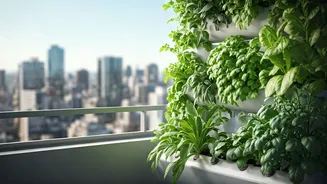
Even with limited space, a variety of productive plants can flourish. Onions are particularly well-suited for container gardening due to their manageable size and minimal special requirements. They prefer loose, well-drained, fertile soil with ample organic matter and love sunlight. Bell peppers also adapt well to containers, provided they have fertile, well-drained soil and six to eight hours of direct sun daily. Herbs like basil, chives, and parsley are excellent choices for pots or window boxes, requiring minimal space but offering maximum flavor. Even smaller root vegetables such as radishes can be grown successfully in containers, providing quick harvests. These compact options demonstrate that a bountiful garden is achievable, regardless of the available acreage.
Essential Garden Tips
Maximizing your garden's success hinges on a few key principles. Ensure your soil is well-drained and fertile, incorporating organic matter where beneficial for optimal plant nutrition. Pay close attention to sunlight requirements; most vegetables and fruits thrive in full sun (six to eight hours daily), but some, like lettuce and certain herbs, tolerate partial shade. Consistent watering is crucial, especially during dry spells or when plants are establishing; an inch of water per week is a general guideline, adjusted based on weather and plant needs. For vining plants like cucumbers and tomatoes, trellises are indispensable for support, air circulation, and disease prevention. Consider companion planting; for example, basil can be a good companion for tomatoes. When planting, adhere to recommended spacing to allow plants adequate room to grow and prevent overcrowding, which can lead to reduced yields and increased susceptibility to pests and diseases.
The Rewards of Growing
Embarking on a home gardening adventure brings a multitude of benefits that extend far beyond just fresh produce. The satisfaction of nurturing a plant from seed to harvest is deeply rewarding, fostering a connection with nature and the food we eat. Growing your own food can significantly reduce grocery bills, offering a cost-effective way to enjoy a variety of fruits, vegetables, and herbs. Furthermore, homegrown produce often boasts superior flavor and nutritional value compared to store-bought alternatives. The physical activity involved in gardening promotes well-being, while the process itself can be a powerful stress reliever. From the visual appeal of a blooming garden to the taste of a sun-ripened tomato, the rewards are abundant and enrich both the body and the spirit, making it a worthwhile endeavor for anyone seeking a more sustainable and fulfilling lifestyle.