



The Psychological Edge
The core principle behind making outfit repetition feel fresh lies in human psychology. Experts explain that people rarely recall the precise details of
your past ensembles; instead, they register an overall impression. By altering just a single visible component of your clothing, you subtly disrupt this existing impression, enough to make the entire look feel novel. This isn't about reinventing the wheel each time you dress; it's about strategically updating a familiar base. This method leverages how our brains process visual information, focusing on contrast rather than absolute newness. It confirms that minor adjustments can significantly impact perceived originality without the need for a completely different garment, thereby validating the 'change one thing' strategy as a powerful style hack.
Sustainable Style Solution
Beyond the psychological trick, this styling philosophy is a champion of sustainable fashion practices. Instead of succumbing to the pressure of constantly acquiring new clothes to avoid repetition, this approach encourages maximising the value derived from your existing wardrobe. It's fundamentally about fostering creativity and resourcefulness, rather than escalating consumption. Research indicates that frequent reuse and restyling of garments are directly linked to reduced consumption patterns and more eco-conscious wardrobe behaviours. This means embracing outfit repetition isn't just a practical way to save money and time; it's an actively environmentally responsible choice, aligning personal style with planetary well-being.
Overcoming Outfit Guilt
Many individuals experience a sense of unease, a 'twinge of guilt,' when reaching for a familiar outfit they've worn recently, fearing judgment or notice. However, the reality is that outfit repetition is inherently sensible, economical, and far more planet-friendly than a relentless pursuit of novelty. The misconception often stems from an unrealistic expectation, amplified by social media, that everyone else is perpetually adorned in new attire. In truth, the most fashion-forward individuals frequently re-wear their favourite pieces, having mastered the art of subtle, intentional updates. The key is to wear your cherished items often, simply introducing a small stylistic twist each time to maintain an element of surprise and newness.
The 'One Element' Rule
The simple yet transformative styling rule to banish outfit repetition fatigue is surprisingly straightforward: alter just one visible element each time you wear an ensemble. As style experts advise, you don't need to overhaul your entire look daily. For instance, if your go-to combination is black trousers and a white shirt, wearing them again with a different pair of shoes—swapping trainers for ankle boots, for example—creates a distinctively different visual impression. This principle is backed by findings that even minor modifications to visible components substantially boost perceived novelty without requiring the purchase of entirely new items. It capitalizes on our tendency to register visual contrast, making familiar outfits appear fresh with minimal effort.
Defining the 'One Thing'
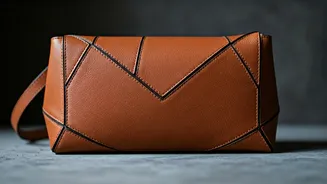
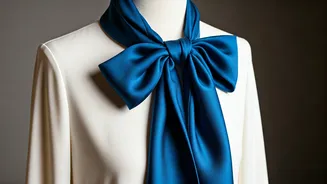
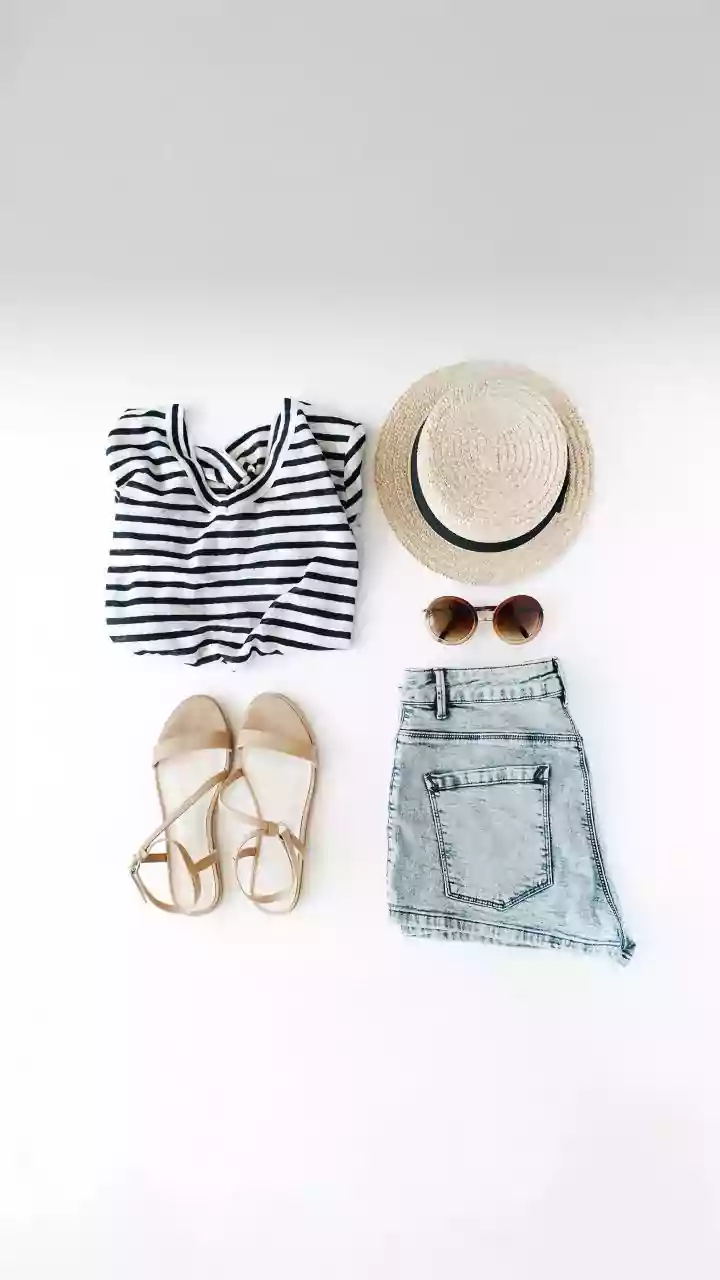
The versatility of this 'change one thing' rule allows for numerous styling shifts, making it highly adaptable. Key elements that serve as effective swaps include footwear, as shoes significantly influence an outfit's overall mood and formality. Outerwear, such as coats or blazers, can dramatically alter a look, especially in cooler weather. Accessories, including belts, bags, jewellery, and scarves, carry substantial visual weight and can completely redefine an ensemble. Even subtle silhouette tweaks, like tucking in a shirt differently or cuffing jeans, offer a free and effective way to restyle garments. Furthermore, changes in hair or makeup can impact how your outfit is perceived, contributing to the overall sense of newness.
Impactful Item Swaps
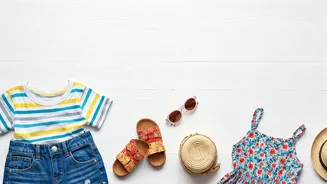
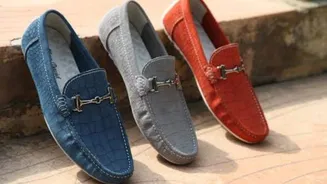
When implementing the 'change one thing' strategy, certain elements offer the most significant impact. Footwear is a prime example; a dress paired with casual sneakers reads entirely differently than when styled with elegant heels or polished flats. Outerwear acts as a dominant visual piece, so switching from a classic trench coat to a contemporary puffer jacket instantly transforms the outfit's character. Accessories are often underestimated but possess the power to completely update a look; a bold statement necklace or a different handbag can make an ensemble feel brand new. Even minor adjustments to silhouette, such as a half-tuck, a belted waist, or rolled sleeves, can alter proportions and styling in a visually appealing way, all without needing to buy anything new.