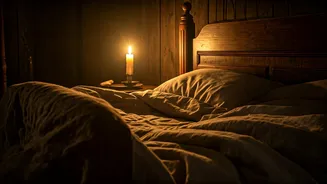









Uninvited Guests
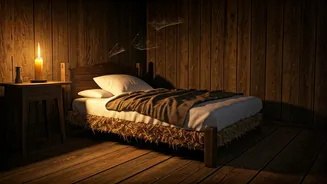
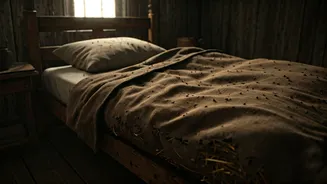
In the 1700s, the simple act of going to bed was often an invitation to a host of unwelcome visitors. Mattresses, frequently stuffed with straw, provided
an ideal breeding ground for an array of tiny tormentors. Fleas, lice, and bedbugs were common companions, making it incredibly difficult to achieve any semblance of restful sleep. The lack of modern sanitation and cleaning practices meant that these pests were an omnipresent nuisance, turning beds into a source of constant irritation rather than a sanctuary for rest. Imagine trying to drift off to sleep while being bitten and crawled upon; it's a far cry from the clean, pest-free environments we expect today.
Communal Quarters
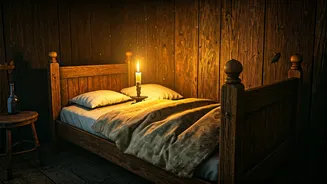
Privacy in sleep was an almost unheard-of luxury in the 18th century. Beds were not solitary affairs but often shared spaces. Families, including parents and children, would frequently share the same sleeping surface. In some instances, even non-family members or strangers might be expected to share a bed, especially in more crowded living conditions. These sleeping arrangements were governed by a strict social etiquette, but the concept of personal space as we understand it today was largely absent. The idea of having your own bed, let alone your own room, was a privilege reserved for the very wealthy.
Four-Legged Roommates
The boundaries between human living spaces and animal quarters were significantly blurred in the 1700s. For many households, it was commonplace for livestock such as chickens or goats to sleep indoors. This practice served practical purposes, offering warmth and a degree of safety for the animals against outdoor predators. However, it also meant that homes were filled with the sounds, smells, and additional pests that naturally accompany farm animals. The sleeping environment for humans was therefore further complicated by the presence of these domestic creatures, adding another layer of disruption to the night.
A Night of Two Halves
The monolithic block of sleep we aim for today was not the norm in the 18th century. Instead, sleep was typically experienced in two distinct phases, a practice known as the segmented sleep pattern. Individuals would typically sleep for a few hours, known as the 'first sleep,' then awaken and remain conscious for an hour or two before returning to sleep for the 'second sleep.' This period of wakefulness in the middle of the night was often filled with quiet contemplation, prayer, or light chores. It wasn't seen as unusual or problematic, but rather as a natural rhythm of nighttime.
Rudimentary Rest
Comfort and support were far from prioritized when it came to beds in the 1700s. The mattresses that people slept on were often quite basic, frequently filled with straw. This meant that sleeping surfaces could be lumpy, uneven, and offer little in the way of cushioning or spinal support. In many homes, particularly for those of lower socioeconomic status, sleeping directly on the floor with minimal padding was also a reality. These sleeping arrangements offered little insulation against the cold, damp air that would often seep into homes, making sleep a physically uncomfortable experience.
Darkness and Danger
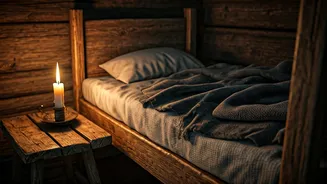
Without the pervasive glow of electric lights, nights in the 1700s were profoundly dark. This absence of artificial illumination brought with it a host of anxieties and practical challenges. Fear of intruders and theft was a significant concern, as darkness provided cover for potential criminals. Furthermore, fire hazards were a constant worry, as open flames from candles or hearths were the only sources of light and heat, and easily ignited surrounding materials. The nights were not just dark; they were often filled with the sounds of the household and the outside world, creating a potentially noisy and unsettling atmosphere for attempting to sleep.