






The Mighty Blender
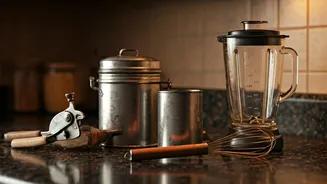
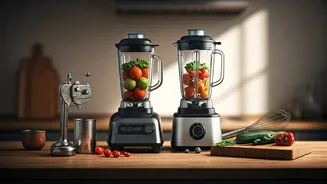
Emerging prominently in the 1920s, the blender, though deceptively simple in design, has had a monumental impact on kitchen endeavors. Its primary function
of pulverizing ingredients has dramatically altered food textures, paving the way for silky smooth soups, rich sauces, and the now-ubiquitous blended beverages enjoyed globally. This appliance didn't just offer a new way to process food; it redefined the possibilities of culinary creation and accessibility for home cooks, making complex preparations significantly more manageable and quicker.
The Essential Can Opener
Following the widespread adoption of canned foods in the 19th century, the can opener emerged as a critical, albeit often overlooked, piece of kitchen equipment. This humble tool is the key to unlocking the convenience that preserved foods offer. Without its reliable mechanism, the ease and accessibility of canned ingredients, which have become a staple for quick meals and emergency pantries, would be practically nonexistent, fundamentally altering food availability and meal planning for millions.
Garlic's Flavorful Ally
The garlic press, a straightforward yet impactful invention that gained popularity in the 20th century, significantly simplified the process of preparing garlic. Its ability to swiftly crush garlic cloves without the mess or effort associated with mincing by hand became a time-saving boon for home cooks. This convenience arguably played a substantial role in increasing the frequency and ease with which garlic was incorporated into diverse cuisines, thereby broadening its appeal and utilization in global home cooking.
The Speedy Microwave
A serendipitous discovery in the 1940s led to the development of the microwave oven, an appliance that has fundamentally reshaped modern culinary practices. By harnessing electromagnetic waves, it cooks and heats food with remarkable speed and efficiency. From rapidly defrosting frozen items to preparing entire meals in minutes, the microwave has become indispensable for many, drastically reducing preparation times and altering daily cooking routines.
Ancient Pressure Cooking
With origins tracing back centuries and significant modernization in the 17th century, the pressure cooker stands out for its dramatic reduction in cooking times. This ingenious device rapidly tenderizes tough cuts of meat, softens legumes, and speeds up the preparation of hearty stews. By saving valuable cooking time and fuel, it made nutritious and wholesome meals more attainable for households, offering a more efficient pathway to delicious results.
Revolutionary Food Preservation
The evolution from the 19th-century icebox to contemporary refrigeration marked a monumental leap in food management. By significantly slowing down spoilage, these innovations extended the lifespan of fresh produce and other perishables. This breakthrough provided unprecedented access to a wider variety of foods for longer periods, leading to substantial improvements in public health, dietary diversity, and overall food security across the globe.