


The Unseen Sugar Drop
Many find themselves reaching for dessert even after a satisfying meal, a habit often dismissed as a preference. However, scientific insights suggest this
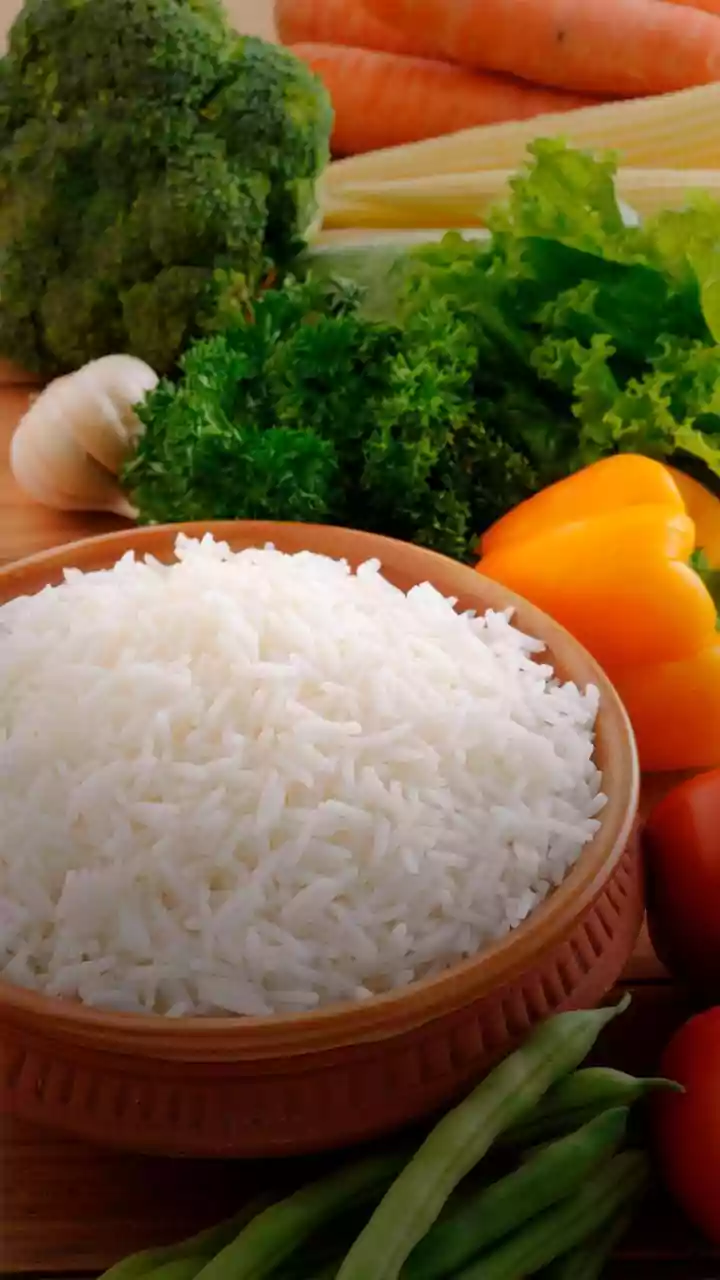
post-meal sweet craving can indicate a deeper issue: metabolic imbalance. When meals are heavily reliant on refined carbohydrates like rice or roti, they cause a rapid surge in blood sugar. Your body's response involves releasing insulin to lower this sugar. But if your meal lacks sufficient protein and fiber, this blood sugar fluctuation can become a roller coaster. The initial sharp rise is followed by an equally swift drop, tricking your brain into believing it needs an immediate energy boost. This quick fix is often perceived as a craving for something sweet, a cycle that mimics reactive hypoglycemia and leaves you with an undeniable urge for sugar, even when you're not physically hungry.
Protein: The Satisfaction Key
The primary reason behind these persistent sweet cravings after eating often boils down to insufficient protein intake. Protein is vital not just for muscle development but also for regulating your body's response to food. It acts as a digestive regulator, ensuring a steady release of energy and promoting a feeling of fullness that carbohydrates alone cannot achieve. When a meal is deficient in protein, your body misses out on crucial satiety signals. This lack of satisfaction prompts the brain to seek out readily available energy sources, which are typically sugars. Clinical studies highlight that incorporating around 20-30 grams of protein per meal can significantly curb these post-meal sugar desires. The focus should shift from simply eating more to eating meals that are more balanced and nutrient-dense, prioritizing protein alongside complex carbohydrates and healthy fats.
Gut Microbiome's Influence
Your digestive system's microbial inhabitants also play a significant role in dictating your food preferences, including those after-meal sweet cravings. The bacteria residing in your gut are highly adaptable and evolve based on your dietary habits. Diets predominantly featuring simple carbohydrates tend to foster the growth of sugar-loving bacteria. Consequently, if your meals consistently lack protein and are rich in refined carbs, your gut microbiome might actively steer you towards sugary foods. This biological reinforcement means that your cravings aren't solely a matter of willpower; they can be influenced by the complex ecosystem within your intestines, subtly guiding your choices towards a sweet finish.
Beyond Biology: Learned Behavior
While physiological factors are significant, the urge for sweets after a meal can also stem from psychological conditioning. Over time, you might develop a learned association where the end of a meal signifies a reward, often involving something sweet. This behavior can trigger the release of small amounts of dopamine, creating a pleasurable sensation that reinforces the habit, making the meal feel complete. However, even these psychological cravings are influenced by biology. When your blood sugar levels are stable due to a balanced diet, the intensity of these emotional cravings tends to diminish, making it easier to resist the urge without feeling like you're battling both your mind and body simultaneously.
Breaking the Cycle
Overhauling this pattern doesn't necessitate complete sugar abstinence, which is rarely sustainable. Instead, focus on making incremental dietary adjustments. Prioritizing protein-rich foods like eggs, paneer, tofu, or fish in your meals can profoundly impact post-meal satisfaction. Combining these with fiber-rich vegetables further aids in slowing digestion and stabilizing energy levels. Additionally, ensure adequate hydration, as mild dehydration can sometimes manifest as a craving. Sufficient sleep is also critical, as fatigue affects hunger hormones, often leading to increased sugar cravings for quick energy. Lastly, acknowledge and gradually recondition the habit of always ending meals with something sweet, replacing the automatic association with mindful choices.