Spice Rack Essentials
Building a functional spice rack is a crucial first step for any Indian kitchen. Start with the basics: turmeric for its vibrant colour and anti-inflammatory
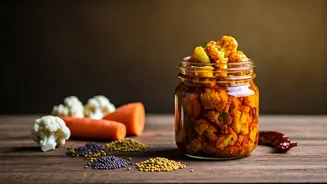
properties, cumin for its earthy flavour, coriander for its citrusy notes, and chili powder for a touch of heat. Don't forget the aromatic warmth of cardamom, cinnamon, and cloves. Consider also adding garam masala, a blend that can elevate many dishes. These spices aren't just for flavour; they also offer potential health benefits. Ensure freshness by storing spices in airtight containers away from direct sunlight and heat. Regular spice rotation, about every six months, will keep the flavours at their peak. You can buy whole spices and grind them at home for better freshness and aroma, or opt for pre-ground options to save time. When selecting, check for bright colours and strong aromas, which indicate quality and freshness. Remember, a well-stocked spice rack is the cornerstone of flavourful and authentic Indian cuisine. Your culinary journey begins with these foundational spices, ready to infuse your dishes with tradition and taste.
Pantry Staple Inventory
Beyond spices, a well-stocked pantry is essential. Rice is a staple; choose from long-grain Basmati for its aroma to the short-grain varieties. Lentils (dal) are another crucial element. You might want to stock up on different types like masoor, toor, and chana dal, as each one imparts a unique texture and flavour to your dishes. Ghee, clarified butter, is often used for flavour and cooking. For cooking, consider vegetable oil and mustard oil. Wheat flour (atta) and besan (gram flour) are also fundamental. Canned tomatoes, coconut milk, and tamarind paste can save time and add depth to your recipes. Nuts and seeds, like almonds, cashews, and sesame seeds, add texture and nutritional value. By building a pantry with these essentials, you will always be prepared for a quick and flavourful meal. Ensuring that you have these ingredients ready will save you trips to the market and allow you to prepare delicious Indian dishes whenever you want.
Cooking Technique Basics
Mastering fundamental cooking techniques is key to creating excellent Indian food. Sautéing spices in hot oil (tadka) is a common method to release their flavour. Properly preparing the tadka will enhance the aroma. Frying ingredients like onions and garlic until golden brown adds depth to the base of many curries. Slow cooking is great for lentils and stews to create rich textures. Understanding how to create the right consistency is important. Making rotis or parathas can be challenging, but with practice, you will succeed. Always remember to use the right heat levels. Experimenting with these methods will elevate your culinary skills. By mastering the fundamental steps, you can create the most delicious Indian food.
Healthy Meal Planning
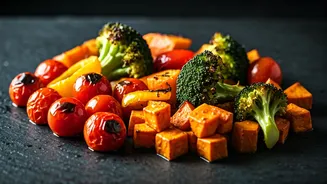
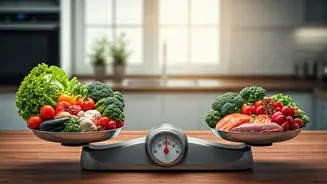
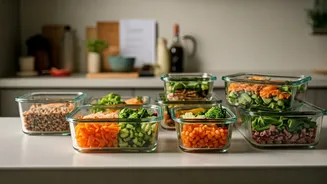
Incorporate fresh vegetables and lean proteins into your meals to create balanced and healthy dishes. Include different colours of vegetables for a variety of nutrients. Prepare meals that feature seasonal produce, as it is fresher and more affordable. Lean proteins include lentils, chickpeas, and tofu. Portion sizes are crucial for maintaining a balanced diet. Serving sizes should be appropriate for your nutritional needs. Planning your meals ahead can reduce food waste and save time during the week. Consider incorporating healthy fats like ghee or coconut oil in moderate amounts. By planning your meals and using healthy ingredients, you can ensure that you are eating well. Regularly consuming healthy meals will improve your overall well-being and health.
Flavor Enhancing Tips
Use fresh herbs, like coriander and mint, to elevate your dishes. They can be added near the end of the cooking process to preserve their fragrance. To add a layer of flavour, add a squeeze of lemon or lime to your dishes. Avoid the mistake of overpowering your dishes with too many spices. Experiment with different combinations to discover your favorites. Balance the heat from chillies with cooling ingredients, such as yoghurt. Enhance dishes by adding a touch of sweetness with jaggery or a little sugar. Tasting your food while cooking and making adjustments as you go is important. Pay attention to how flavours interact to create a balanced meal. Using fresh ingredients will also enhance the flavours. Experimentation with flavours and ingredients will enhance your food.