

Beyond Trends: A Designer's Secret
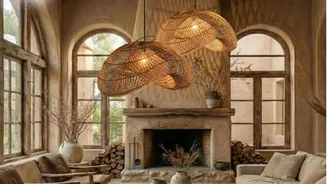
Years of interviewing interior design professionals have yielded a wealth of advice, but one recurring gem stands out: the artful integration of the old
with the new. This principle, emphasizing the narrative power of history in design, shifts focus from transient fads to enduring character. It’s about crafting spaces that tell a story, reflecting a balance between established traditions and contemporary living. Initially, the author found themselves drawn to the ever-changing landscape of interior trends, leading to a curated but impersonal aesthetic. The constant pursuit of the 'next big thing' meant homes often felt like showrooms of borrowed styles rather than extensions of personal identity. This realization spurred a move towards a more thoughtful and enduring decorating philosophy, prioritizing pieces that carry weight and meaning, regardless of their era.
Creating a Lived-In Atmosphere
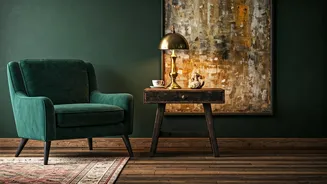
A home truly comes alive when it’s infused with personal history and curated elements from different periods. This approach moves beyond mere stylistic choices to become a profound reflection of the inhabitants' journey and experiences. Incorporating heirlooms, travel mementos, or even family photographs on a gallery wall transforms a house into a sanctuary that feels genuinely lived-in. The subtle patina of age on a vintage console table or the unique character of an antique mirror can ground a modern space with an undeniable authenticity. This method encourages a slower, more intentional decorating process, valuing the hunt for unique items—whether it’s a cherished hand-me-down, a piece from a local artisan discovered during travels, or even a striking print found online. Imperfections, often overlooked, are reframed as valuable markers of a piece’s history and journey.
Practical Tips for Mixing Eras
Embracing the blend of old and new in your decor doesn't require elaborate design schemes; it's about adopting a mindful approach to sourcing and styling. A foundational strategy is to prioritize secondhand shopping for essential items. By creating a flexible list of needs and first exploring vintage and antique stores, you can significantly reduce the number of brand-new pieces introduced into your home. This approach naturally encourages patience, as the perfect item might not be found immediately, but it ensures that any new purchases are truly necessary. Furthermore, it’s crucial to think creatively about how existing or found items can serve new purposes. An old footstool, for instance, might find a new life as a stylish plant stand, effectively keeping your greenery out of reach of pets. This adaptability is key to building a layered, unique aesthetic. Finally, maintaining an awareness of your home’s needs wherever you go—whether browsing a local flea market, a thrift shop, or even a stoop sale—allows for serendipitous discoveries of those perfect 'something old' elements.