




The Thinnai: Nature's Air Conditioning
Long before the advent of electric air conditioners, traditional Indian homes possessed an elegant and remarkably effective method for maintaining a cool
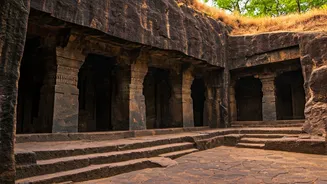
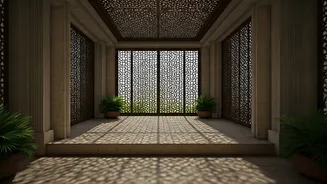
interior environment, even during the most scorching summer months. This ingenious approach centered around a feature known as the 'thinnai.' These raised platforms, often extending from the front of a house, were constructed using a combination of sustainable materials like lime, stone, and a traditional mortar called 'surkhi.' The inherent properties of these materials, coupled with strategic design, facilitated excellent natural ventilation. The thinnai acted as a conduit for cool air, allowing it to circulate freely throughout the living spaces, thus creating a naturally comfortable atmosphere without the need for energy-intensive cooling devices. This architectural element was a testament to the deep understanding of climate and material science possessed by ancient Indian builders, prioritizing harmony with the environment.
More Than Just Space
The thinnai was far more than merely a physical architectural component; it represented a vibrant social fabric and a distinct way of life deeply embedded in Indian culture. These platforms served as communal hubs, extending the living space outwards and fostering a sense of openness and connection within the household and the wider neighborhood. It was a cherished spot where neighbors could gather for leisurely conversations, where elders shared stories with younger generations, and where simple daily interactions blossomed. This design element actively encouraged community engagement, making homes feel alive and interconnected. In contrast to the often isolating nature of modern, larger homes, the thinnai promoted a sense of belonging and shared experience, highlighting the profound link between architectural design and social well-being. It was a space designed for human interaction and the cultivation of relationships.
Lessons for Today
In the contemporary era, as residential structures tend to grow in size and often become more insular, there's a noticeable decline in the kind of integrated, climate-smart living exemplified by the thinnai. We've increasingly relied on technological solutions like air conditioning, sometimes overlooking the elegance and efficacy of simpler, time-tested methods. The wisdom embedded in traditional designs like the thinnai offers valuable insights for building more sustainable and community-oriented homes in the present day. The question arises: could we benefit from reintroducing and adapting these forgotten architectural principles? Embracing such elements could lead to a more harmonious balance between comfort, environmental consciousness, and social connection, suggesting that the most innovative solutions are sometimes those that have been perfected over centuries and simply need to be rediscovered and integrated into our modern lifestyles.