


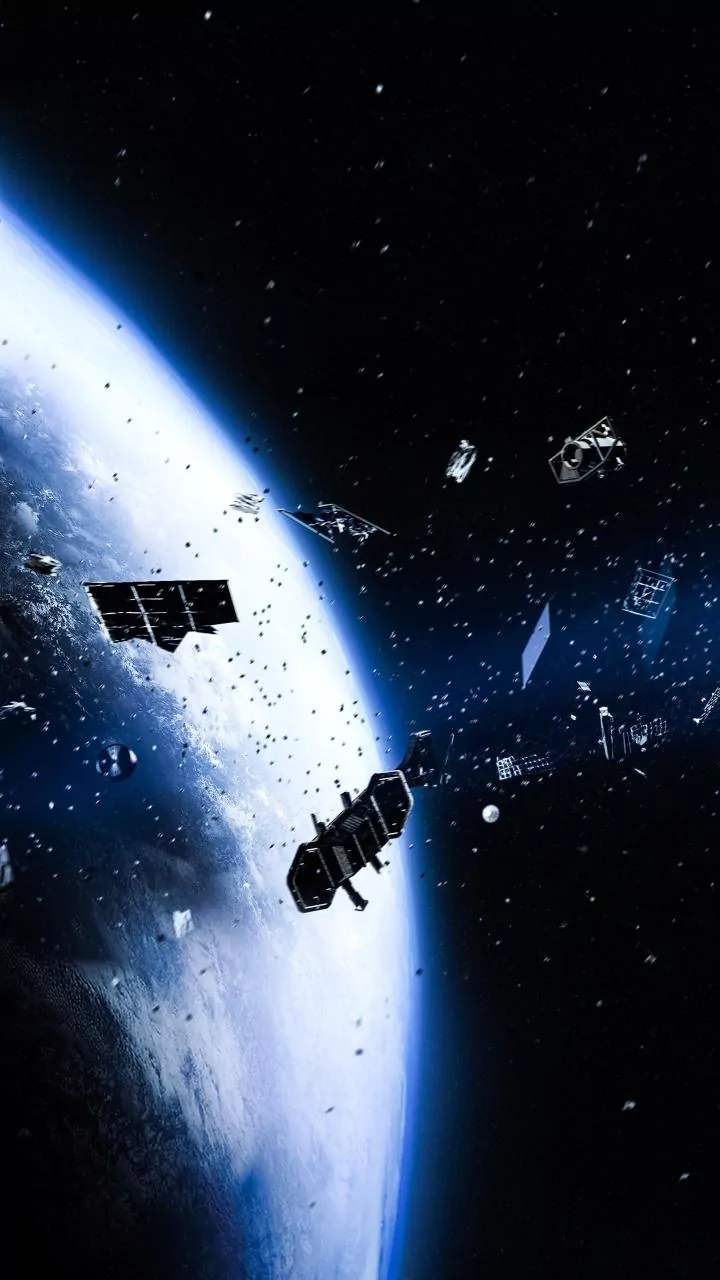




Cosmic Light Ambitions
A forward-thinking space venture aims to revolutionize global illumination by positioning a vast constellation of orbital mirrors. The plan involves deploying
approximately 50,000 of these reflective satellites by the year 2035, with the ambitious goal of redirecting sunlight to illuminate regions of Earth experiencing nighttime. This initiative, spearheaded by a startup that has already secured $28 million in funding and submitted initial paperwork to the FCC for a prototype, is drawing attention not only for its innovative approach but also for the significant scientific scrutiny it faces. Experts are questioning the practical application of such technology when confronted with the fundamental principles of orbital mechanics and energy economics. The concept, while grand, is being met with caution as the realities of space-based infrastructure and its terrestrial implications are thoroughly examined.
The Mirror Math
The core of this innovative proposal rests on the remarkable notion of using orbiting mirrors to bring daylight to areas shrouded in darkness. However, a closer examination of the energy yields relative to the immense infrastructural investment reveals significant challenges. The company's initial prototype, named EARENDEL-1, is designed to unfurl into a 60-foot mirror, capable of casting light equivalent to a full moon over a three-mile radius. While impressive on a small scale, scaling this effect presents formidable hurdles. Each production mirror, projected to be 180 feet in diameter, would only deliver a fraction of the sun's intensity—specifically, 1/140,000th of midday sunlight—across an area of just 18 square miles. Research suggests that to achieve a mere 20% of daytime solar intensity at a single terrestrial location, an aggregation of over 3,000 such satellites would be necessary. This starkly contrasts with the proposed $5,000 per hour operational cost, raising questions about economic viability. Past attempts, like Russia's experiment to illuminate Arctic zones with an 80-foot mirror, encountered similar physics limitations that remain unresolved, including light scattering, which makes it impossible to precisely contain the beam to the intended target, inadvertently brightening the surrounding sky.
Astronomers' Concerns
The prospect of thousands of orbital mirrors casting artificial light onto Earth's night side has ignited serious concerns among the astronomical community. Proponents of ground-based astronomy warn that the proliferation of these artificial light sources could lead to permanent contamination of the night sky. The presence of 50,000 mirrors, each potentially creating streaks across sensitive telescope observations, could effectively render ground-based astronomical research unviable. Beyond the scientific implications, potential hazards extend to aviation and wildlife. Pilots might face risks from unexpected bright flashes, which could prove distracting and dangerous during crucial phases of flight. Furthermore, the disruption of natural circadian rhythms in wildlife is a significant worry, as these internal biological clocks govern essential behaviors like migration, breeding, and hibernation cycles. Compounding these issues is a notable regulatory vacuum. While agencies like the FCC address concerns such as radio interference and satellite disposal, they currently lack the mandate to assess or mitigate the broader environmental impacts of such orbital infrastructure, including its effects on ecosystems and the preservation of natural night sky conditions.
Physics Over Venture Capital
Despite considerable entrepreneurial drive and significant venture capital investment, the proposed orbital mirror project confronts fundamental physical limitations that may prove insurmountable. The inherent constraints of physics suggest that this technology is better suited to the realm of science fiction than to practical, large-scale terrestrial applications like global energy provision. While the company has attracted substantial interest, including numerous service applications and contracts with the Air Force, the unyielding laws of nature present a significant barrier. Existing solutions for energy storage and grid-scale power, such as advanced battery technology and established solar power infrastructure, offer more efficient and cost-effective means of extending the utility of solar energy compared to the complex and constantly maintained orbital systems envisioned. Although the mirrors might find limited use in specific scenarios, such as disaster relief efforts or specialized operations in polar regions, their potential to fundamentally transform global energy supply remains highly questionable. The economic and physical realities simply do not align with such grand aspirations, highlighting the enduring power of physics over even the most ambitious commercial ventures.