





Feel the Freshness
The most direct way to gauge the quality of anjeer is through touch. Opt for figs that feel yielding and soft, almost spongy to the touch. This indicates
they are ripe and retain their natural moisture. Conversely, if the fig feels hard, dense, and unyielding, it's likely past its prime or has been improperly stored, leading to a dry and less sweet experience. A slightly sticky feel, coupled with softness, is a strong indicator of good quality and natural sweetness. Gently pressing a fig before purchasing can provide a valuable tactile clue about its freshness and succulence.
Color and Appearance
The visual appeal of anjeer offers significant insights into its quality. Fresh, sweet figs typically display a pleasant light brown or golden-brown hue. Avoid figs that appear excessively dark, dull, or exhibit noticeable black spots, as these can signify age or inadequate storage conditions. An even, consistent color throughout the fig, free from significant cracks or signs of dryness, is generally a reliable marker of superior quality. A uniform appearance without blemishes suggests the figs have been handled with care and are likely to be delicious.
Aroma of Sweetness
A delightful and subtle fragrance is often a hallmark of sweet, high-quality anjeer. When inspecting loose figs, pay attention to any light, natural scent they emit. This pleasant aroma is a positive sign of freshness. If the figs exude a sour odor or possess no discernible fragrance at all, it might indicate they are not at their best. It's also wise to steer clear of figs that have a visible sugary coating, as this suggests added sweeteners rather than natural ripeness. Pure, naturally sweet figs don't require such enhancements.
Internal Structure
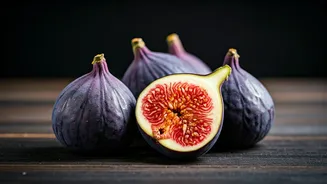
Examining the inside of an anjeer can reveal its quality. When a fig is opened, one should expect to find a rich, moist interior teeming with small seeds. These seeds are integral to the fig's texture and nutritional profile. A well-formed fig will appear plump and full internally. Conversely, a fig that looks dry and empty on the inside suggests it may be of lower quality, having lost its moisture and potentially its natural sweetness. The presence of a dense, seed-filled interior points to a healthy, mature fruit.
Avoiding Dryness
Excessively dry or hard anjeer is a strong signal that the fruit has significantly depleted its moisture content or has been stored for an extended period. Such figs are often less enjoyable due to their reduced sweetness and challenging texture, making them difficult to chew. While dried figs naturally have less juice than fresh ones, they should still retain a pleasant softness and a degree of internal moisture. Hardness, as opposed to a chewy texture, indicates a loss of quality that affects both taste and enjoyment.
Storage Significance
Proper storage plays a crucial role in preserving the quality and freshness of anjeer. Ideally, figs should be kept in a cool, dry environment, shielded from direct sunlight. When shopping, observe how the figs are presented. Look for those stored in clean, well-sealed containers. This practice helps prevent damage from external factors and mitigates moisture loss, ensuring the figs remain in good condition. Careful storage is key to enjoying the full flavor and benefits of these nutritious fruits.