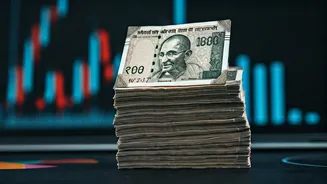

Rupee's Unexpected Boost
The Indian Rupee experienced a surge, gaining 1% against other currencies. This financial uplift can be linked to a strategic move by the United States:
a reduction in tariffs imposed on goods imported from India. This action had an immediate and positive impact on the Rupee, leading to its increased value in the foreign exchange market. The Rupee's performance is a reflection of the intricate interplay of international trade policies, and how they directly influence the financial standing of a nation. The tariff cut from the US provided a significant boost, demonstrating the sensitivity of the market to governmental decisions related to import and export regulations. This also indicates how decisions made in Washington can have immediate implications on the economic landscape in India, thereby affecting currency valuations.
US Tariff Reduction Explained
The United States made a notable change in its trade policies concerning India, specifically reducing the tariffs on various Indian goods. These tariffs, which are essentially taxes on imported products, were brought down to 18%. This cut signals a shift in the trade relationship between the two countries, which is intended to increase the flow of goods and services. A reduction in tariffs makes Indian products more competitive in the US market, which boosts the potential for increased exports. From a broader perspective, this action reflects ongoing discussions and negotiations between the governments. It also represents an effort to improve the trade balance and boost economic growth in both nations. Such adjustments in tariffs have a profound impact, helping to streamline trade and encouraging businesses to expand their reach across international borders, resulting in increased economic activities.
Market Reactions & Outlook
Following the US tariff cut and the subsequent surge in the value of the Rupee, financial analysts at Kotak have offered their assessment of the situation. Their analysis suggests a cautious approach, cautioning against expectations of a sustained, long-term shift. This indicates that while the Rupee's gain is significant, the market is complex and affected by multiple variables. Other economists consider other factors. These factors include domestic economic performance, global economic trends, and international events, all of which play key roles in determining currency valuation. The insights provided by Kotak and other financial experts highlight the need for a comprehensive view when assessing the financial markets and anticipating future outcomes. The experts also point to potential short-term volatility, emphasizing the need for traders and investors to stay informed. They need to monitor market movements and manage their risk accordingly in this dynamic environment.