



Planting Parsley Seeds
Embarking on your parsley-growing journey begins with successful seed propagation. For an earlier harvest in cooler climates, initiate seed starting indoors
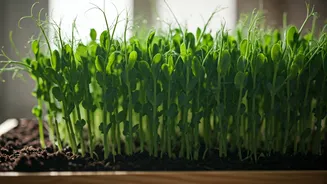
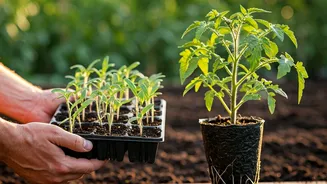
approximately six to eight weeks prior to the final expected frost. Before sowing, a crucial step to enhance germination rates is to soak the parsley seeds in water for a duration of 12 to 24 hours. Following the soak, prepare your seed-starting trays or small pots by filling them with a pre-moistened seed-starting mix. Plant one to two seeds per cell or pot, gently covering them with about a quarter-inch of soil. Place these containers under a bright grow light, ensuring the soil remains consistently moist without becoming waterlogged. Once seedlings emerge, adjust the grow light to maintain a distance of roughly two inches above the developing plants. Continue consistent watering and, when the seedlings reach about two inches in height, thin them to leave only the most robust plant per container. Prior to transplanting outdoors, gradually acclimate the young plants to external conditions over a one to two-week period. If planting directly in the garden, choose a sun-drenched spot, prepare the soil by removing weeds and incorporating compost, then sow the soaked seeds at a depth of 1/4 inch, spacing them 1 to 2 inches apart in rows 12 to 18 inches apart. Water thoroughly and thin seedlings to 8-10 inches apart when they are 2 inches tall. For those preferring indoor cultivation, simply move the established potted plants to a sunny window and maintain regular watering.
Cultivating Thriving Parsley
Ensuring your parsley plants flourish involves attention to their specific needs regarding light, soil, water, and temperature. Parsley thrives best in locations that receive ample sunlight, though in extremely hot climates, providing it with morning sun and light afternoon shade can prevent premature bolting. Indoor plants may necessitate the use of grow lights to prevent leggy stem growth. The ideal soil for parsley is rich and well-draining, with a pH level ideally between 6.0 and 7.0; incorporating compost into garden beds before planting is highly recommended to enrich the soil. Similar to other delicate-stemmed herbs, parsley requires consistent and deep watering, aiming for approximately one inch of water weekly. To promote robust growth and retain soil moisture, applying a layer of mulch around the base of the plants is beneficial. During the growing season, a diluted liquid organic fertilizer, applied at half strength once or twice, can further enhance plant vitality. While parsley is not overly particular about humidity, established plants can withstand light frosts. The optimal temperature range for parsley is between 50°F and 70°F. It’s important to note that older plants tend to bolt quickly in excessive heat, a process that can be delayed by strategic planting in partial shade and by preemptively pinching off any developing flower buds.
Harvesting and Storing
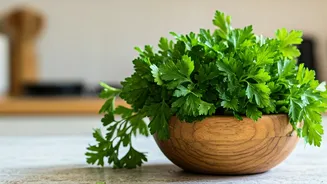
Maximizing your parsley yield and preserving its fresh flavor are key components of successful herb gardening. Begin harvesting when your parsley plants reach about six inches in height and their leaves display three distinct segments. It's best to harvest the outer leaves first by snipping the stems at ground level with scissors, allowing the central part of the plant to continue growing and regenerate. You can collect leaves incrementally for immediate use or in larger quantities for preservation. However, it is crucial never to remove more than one-third of the plant’s foliage in a single harvest, and to allow two to three weeks between significant harvesting sessions to ensure the plant's recovery. Freshly cut parsley can be stored in the refrigerator for one to two weeks by placing the cut stems in a glass filled with a few inches of water, much like cut flowers. For extended storage, parsley can be frozen whole or chopped, or even preserved in oil. Alternatively, it can be dried using methods such as hang-drying, a food dehydrator, or an oven set to its lowest temperature; once dried, store the parsley in airtight spice jars in a cool, dark place to maintain its flavor and aroma.
Addressing Pests and Diseases
Maintaining a healthy parsley patch requires awareness of potential issues like pests and diseases, along with preventative and remedial strategies. Common adversaries such as aphids, leafhoppers, and carrot flies can sometimes affect parsley plants. These pests can often be deterred through practices like crop rotation and the use of row covers. Should an infestation occur, organic soap sprays can be effective in eradicating them. Fungal issues like leaf spot and powdery mildew typically arise when plants are situated too closely together or when overhead watering methods are employed. To circumvent these problems, ensuring adequate spacing between parsley plants and watering directly at the soil line are recommended practices. Parsley is also prone to bolting, especially in warm weather. To delay this, consider planting parsley in areas that receive gentle afternoon shade and routinely remove any flower buds before they have a chance to open. Following these guidelines will help keep your parsley healthy and productive throughout the growing season.