





Resilience Amidst Adversity
Kashmir's tourism sector is showcasing incredible fortitude, with projections for 2026 indicating a visitor influx that could eclipse all previous records.
This resurgence follows a challenging period in 2025, notably marked by a significant terror attack in Pahalgam in April. Despite this setback and the broader concerns stemming from Pakistan-backed terror handlers aiming to sow discord, the bond between Kashmir and its visitors remained unshaken. Official government reports revealed that over 1.62 crore (16.2 million) tourists journeyed to Jammu and Kashmir in 2025, a testament to the region's enduring allure. The year 2024 had set a historic high with approximately 98.1 lakh (9.81 million) tourists, a substantial leap from prior years. While the footfall in the Kashmir division did see a dip in 2025 following the Pahalgam incident, the overall spirit of tourism remained robust, demonstrating a deep-seated resilience within the industry.
Enhanced Security & Confidence
A cornerstone of Kashmir's tourism revival is the significant strengthening of security across all major tourist destinations. This multi-tier security cover, involving increased patrols and enhanced surveillance, aims to ensure visitors feel completely safe and at ease throughout their stay. The reopening of 14 key tourist spots in February 2026, following thorough security reviews, signals a renewed commitment to accessibility and visitor experience. Union Ministers have framed the return of tourists as a triumph over malevolent forces intent on disrupting growth and fostering separatism. This proactive approach to security has been instrumental in rebuilding and sustaining traveler confidence, allowing iconic destinations like Gulmarg and Pahalgam to report near-full hotel occupancy, predominantly driven by domestic tourists.
Record Occupancy & Winter Charm
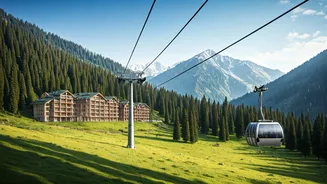
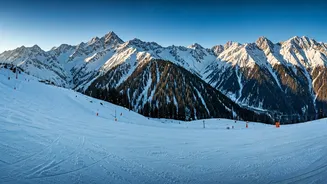
The current tourism scene in Kashmir mirrors the high occupancy rates seen in March 2025, with Gulmarg, Pahalgam, and Sonamarg boasting 100% hotel occupancy in the initial months of 2026. This surge, particularly evident around the New Year and during periods of snowfall, highlights the region's continued appeal. The successful winter festivals, drawing global attention, were a major attraction, further bolstered by heavy snowfall. Director Tourism, Syed Qamar Sajad, noted a dramatic increase in activity, citing the Gandola ride in Gulmarg, which went from just 100 visitors in May of the previous year to a 'huge rush' now, indicating a significant uptick in visitor numbers that are expected to surpass the previous year's figures. Tourists themselves have echoed sentiments of awe, describing Kashmir as unparalleled globally and reassuring potential visitors of its safety despite initial fears.
Infrastructure and Economic Impact
The inauguration of the new train link connecting Srinagar to the broader Indian rail network via the Katra-Srinagar route has emerged as a pivotal catalyst for the burgeoning tourism boom. This connectivity enhancement significantly eases travel, making Kashmir more accessible than ever before. Tourism is a vital contributor to Jammu and Kashmir's economy, accounting for nearly 7% of the Gross State Domestic Product (GSDP). It directly supports a vast network of families involved in the hospitality, transportation, and handicraft sectors, underscoring its broad economic importance. Initiatives undertaken by both local communities and authorities, coupled with the robust security framework, have successfully restored confidence and driven a clear revival in the valley's tourism fortunes, bringing visitor numbers nearly on par with previous winter peaks.