





Masters of Slumber
While often seen as symbols of power and action, lions are surprisingly indolent creatures. They possess the remarkable ability to sleep for as much as 20
hours out of every 24. This extensive resting period isn't about laziness but a strategic energy conservation method, vital for their demanding hunting expeditions and territorial defense. During the intense heat of the afternoon, lions typically seek out shaded spots, minimizing any physical exertion to preserve their strength for crucial activities.
Lionesses Lead the Hunt
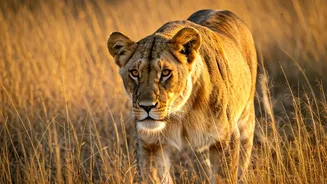
Contrary to popular belief, the imposing male lion isn't the primary hunter. This crucial role falls predominantly to the lionesses. They operate with remarkable skill and coordination, employing sophisticated group tactics to stalk and ambush their prey. Silently encircling their targets before launching a unified attack, their teamwork is a key factor in the pride's success as apex predators.
The Harsh Reality of Cubs
A stark and often disturbing aspect of lion behavior involves the fate of cubs. When a new male lion assumes control of a pride, he frequently resorts to killing any cubs that do not carry his own genetic lineage. Experts suggest this grim practice is driven by evolutionary pressures; females tend to re-enter their reproductive cycles more rapidly following the loss of their young, thereby expediting the continuation of the new male's bloodline. It's a brutal yet effective survival strategy within the unforgiving natural world.
Communal Cub Rearing
Within the social structure of a lion pride, a heartwarming phenomenon occurs: lionesses collectively nurture the young. It's not uncommon for cubs to receive nourishment and care from females other than their biological mothers. This cooperative parenting system significantly enhances the chances of survival for the vulnerable cubs in the challenging environment of the wild.
Voracious Eaters
Following a successful hunt, lions are known to consume staggering amounts of meat at an astonishing pace. This rapid consumption is largely a defensive measure, as they must contend with competing scavengers like hyenas. An adult lion is capable of ingesting upwards of 30 kilograms of flesh in a single feeding session, a testament to their powerful digestive systems and the competitive nature of their environment.
Mane Myths Debunked
The iconic mane of the male lion is not a universal trait, and its appearance varies significantly. Factors such as age, genetic makeup, prevailing temperatures, and overall health influence the density and color of a lion's mane. In regions with hotter climates, shorter manes are more common, providing a cooling advantage to the lions that possess them.
Social Predators Unite
Unlike many solitary feline relatives such as tigers or leopards, lions exhibit a highly social nature. They form cohesive units called prides, typically comprising several females, their offspring, and a limited number of adult males. This communal living arrangement is instrumental in their ability to effectively defend their territory and collaborate on hunting larger, more formidable prey.