




Echoes of Royalty
India's royal palaces stand as magnificent testaments to its glorious past, embodying centuries of power, artistic expression, and profound cultural richness.
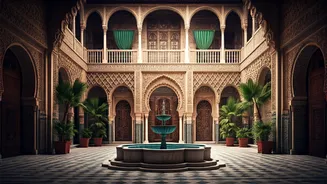
These structures, ranging from formidable Rajput fortresses to lavish abodes of princely families, serve as windows into the lives of maharajas and the distinct architectural styles that defined their epochs. Each palace tells a unique story, showcasing intricate craftsmanship and offering a tangible connection to India's imperial heritage. They are not merely buildings but living museums, preserving the grandeur and traditions that shaped the nation's identity. The sheer scale and design innovation found within these palaces highlight the ingenuity and aesthetic sensibilities of their creators, inviting visitors to immerse themselves in a world of splendor and historical intrigue.
Rajasthan's Lakefront Gem
The City Palace in Udaipur, majestically overlooking the tranquil waters of Lake Pichola, is a monumental complex that stands as one of Rajasthan's most expansive royal residences. Its construction spanned nearly four centuries, initiated and expanded by the illustrious Mewar rulers. This sprawling architectural marvel is a labyrinth of ornate courtyards, meticulously designed museums, and breathtaking balconies that offer panoramic vistas of the lake and surrounding landscape. Wandering through its corridors provides an immersive experience into the lives of the Mewar dynasty, showcasing their enduring legacy and refined taste. The palace's strategic location and artistic embellishments underscore its importance as a symbol of royal power and a testament to enduring architectural vision. It's a place where history breathes, offering visitors a profound connection to India's regal past.
Hyderabad's Scorpion Residence
Perched atop a hill with sweeping views of Hyderabad, Falaknuma Palace was once the distinguished residence of the Nizam. Its unique architectural design, famously shaped like a scorpion, houses an extraordinary collection of rare manuscripts, resplendent chandeliers that illuminate its grand halls, and famously, one of the world's longest dining tables. This palace is a magnificent embodiment of the opulence and refined taste that characterized the era of the Nizams. Every corner speaks of luxury and meticulous attention to detail, from the exquisite interiors to the vast collection of artifacts. It offers a vivid portrayal of the extravagant lifestyle enjoyed by Hyderabad's rulers, making it an unparalleled destination for those seeking to experience a slice of imperial grandeur and historical richness.
European Elegance in India
Jai Vilas Palace presents a captivating fusion of European architectural styles, creating a unique and visually stunning landmark. It is particularly renowned for its magnificent Durbar Hall, a space adorned with some of the largest chandeliers ever crafted, casting a dazzling glow upon its opulent interiors. The palace also houses a museum that offers profound insights into the aristocratic lifestyle and traditions of the Scindia royal family. This blend of Western aesthetics with Indian sensibilities results in an architectural masterpiece that is both grand and intricately detailed. Visitors are transported to an era of lavish courtly life, experiencing firsthand the grandeur and historical significance of this remarkable residence, which continues to be a symbol of royal heritage.
Baroda's Grand Estate
Laxmi Vilas Palace, an imposing residence of the Gaekwad dynasty, dwarfs Buckingham Palace by an astonishing four times its size. This opulent estate is characterized by its magnificent interiors, which showcase a strong influence of European design, seamlessly integrated with traditional Indian aesthetics. The palace is surrounded by extensive, beautifully landscaped gardens, reflecting the immense wealth and power of Baroda's former rulers. Its grandeur is not just in its size but also in the meticulous detailing and the luxurious ambiance that permeates every room. It stands as a powerful symbol of the Gaekwad family's historical prominence and their contribution to the architectural landscape of India, offering a glimpse into a world of extraordinary affluence.
Mysore's Illuminated Icon
The grand residence of the Wadiyar dynasty, Mysore Palace, is celebrated for its distinctive Indo-Saracenic architectural style. This magnificent structure features breathtaking stained-glass ceilings that cast colorful patterns of light and richly adorned halls that speak of regal splendor. The palace is particularly enchanting when it is illuminated during the Dasara festival, transforming into a dazzling spectacle of light and color that draws visitors from far and wide. Its intricate design and historical significance make it a paramount landmark, embodying the cultural heritage and artistic achievements of the region. The palace is not just a building but a vibrant symbol of Mysore's royal past and its enduring festive spirit.
20th Century Philanthropy
Umaid Bhawan Palace, one of the largest private residences globally, was constructed in the 20th century with a unique purpose: to provide employment during a period of famine. This architectural marvel beautifully blends modernism with traditional Indian design, creating a striking and elegant structure. Today, a portion of this grand palace continues to serve as a royal home, while other sections have been thoughtfully repurposed. These include a fascinating museum that offers insights into the royal family's history and a luxurious hotel that allows guests to experience its splendor. Its dual function as a heritage site and a hospitality landmark underscores its significance in preserving and sharing India's royal legacy with the world.