







Sodium: A Double-Edged Sword
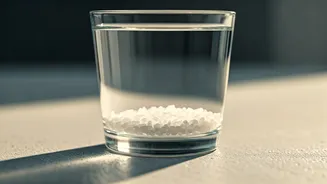
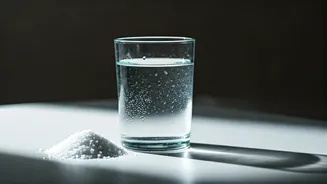
The notion that more salt equals better hydration is a misconception that needs immediate clarification. While sodium plays a vital role in bodily functions,
our regular diets typically supply more than enough of it. Introducing additional salt into every glass of water can easily push sodium intake beyond recommended daily limits. This excessive consumption is strongly linked to serious health concerns, including elevated blood pressure, unwanted fluid retention (edema), and long-term detrimental effects on cardiovascular health. Experts caution that relying on social media trends for health advice, especially concerning something as fundamental as water intake, can be misleading and potentially harmful. The key takeaway is that while salt has its place, indiscriminate addition to water is generally ill-advised for the average individual.
When Salted Water Makes Sense
The popularity of adding salt to water often stems from 'electrolyte hacks' seen on social media. In reality, salted water can be beneficial in very specific, short-term circumstances. These include scenarios where the body has experienced significant sodium loss, such as after prolonged periods of heavy sweating during intense physical activity, during bouts of vomiting or diarrhea, or after extensive heat exposure. In these instances, replenishing lost electrolytes, including sodium, is crucial for rehydration. However, transforming this into an everyday habit is unnecessary and can easily lead to health complications. For serious endurance athletes or individuals recovering from severe dehydration due to illness, medically prepared electrolyte solutions or Oral Rehydration Salts (ORS) are far safer and more effective alternatives than simply adding table salt to water.
Who Must Avoid This
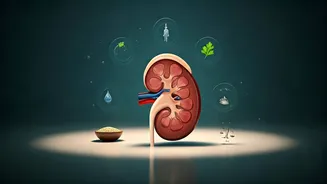
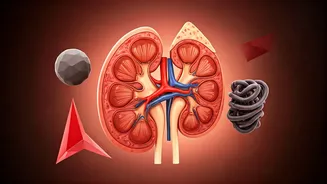
Certain health conditions make the salted water trend a definite no-go. Individuals diagnosed with hypertension (high blood pressure), heart disease, kidney disease, or those experiencing swelling or fluid retention should strictly avoid adding extra salt to their water. People with kidney issues, in particular, have a compromised ability to excrete excess sodium, making them highly susceptible to the negative impacts of a high sodium load. For these individuals, even small amounts of added salt can exacerbate their existing conditions and lead to dangerous health outcomes. Thyroid conditions can also be negatively impacted by increased sodium intake. It is imperative to consult a healthcare professional before considering any practice that alters fundamental dietary habits, especially when pre-existing health concerns are present.
Prudent Practices & Alternatives
Before even contemplating the salted water trend, a thorough assessment of one's personal health status is paramount. If you have pre-existing conditions like high blood pressure or kidney concerns, it's best to steer clear of adding extra sodium to your water. It's also crucial to understand that increased salt intake doesn't automatically equate to superior hydration; in fact, too much sodium can leave you feeling even thirstier, counteracting the intended effect. For natural and effective hydration, prioritize plain water, coconut water, buttermilk, and water-rich fruits like watermelon. If electrolyte replenishment is genuinely needed due to extreme circumstances, opt for medically formulated ORS. Always be critical of social media health trends; what works for one person may be detrimental to another. Listening to your body and consulting medical professionals are the safest routes to maintaining optimal health and hydration.