







Introduction to Indian Food
Indian vegetarian cuisine is renowned globally for its vibrant flavors, diverse ingredients, and rich cultural significance. Vegetarianism is deeply rooted
in Indian traditions, influencing a culinary landscape that boasts an extensive array of dishes. From north to south and east to west, each region of India contributes unique flavors, cooking techniques, and specialties to this delightful cuisine. Many Indian vegetarian dishes feature fresh vegetables, lentils, legumes, and aromatic spices such as turmeric, cumin, coriander, and garam masala. These spices not only enhance the taste but also offer health benefits. Recipes often range from simple everyday meals to elaborate festive creations, reflecting the diversity of Indian culture. Moreover, these recipes are often adaptable, allowing for personal preferences and ingredient availability. This adaptability makes Indian vegetarian cooking accessible and enjoyable for both experienced cooks and beginners. With a vast selection of dishes, from creamy curries to crispy snacks, Indian vegetarian cuisine offers something for everyone, making it a truly rewarding culinary experience.
Flavorful Curry Varieties
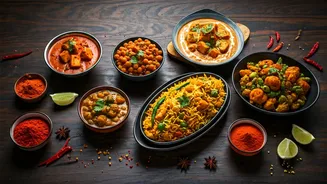
Curries form the cornerstone of Indian vegetarian cuisine, offering a wide array of flavors and textures. The first essential curry includes Dal Makhani, a creamy, slow-cooked lentil dish, often prepared with black lentils and kidney beans, enriched with butter and cream. Next, Chana Masala, a chickpea-based curry, is a spicy and tangy dish seasoned with tomatoes, onions, and various spices. Palak Paneer features fresh spinach and paneer (Indian cheese), creating a rich and nutritious dish. Then there is Vegetable Korma, a creamy curry with mixed vegetables, nuts, and spices. Another popular dish is Malai Kofta, featuring vegetable balls in a creamy tomato-based sauce, and Matar Paneer, a delightful combination of peas and paneer in a tomato-based gravy. Aloo Gobi, made with potatoes and cauliflower, is a simple yet flavorful dry curry. Baingan Bharta is a smoky eggplant dish, and Navratan Korma includes nine vegetables and fruits in a rich cashew-based gravy. Finally, Vegetable Jalfrezi features stir-fried vegetables with a tangy sauce, and Kadai Paneer, cooked in a kadai (wok), features bell peppers and a special blend of spices.
Rice & Bread Specialties
Rice and bread play critical roles in accompanying Indian vegetarian meals. Firstly, Biryani, an aromatic rice dish, comes in various vegetarian forms, often incorporating vegetables, paneer, and spices, layered and slow-cooked for enhanced flavors. Then there is Jeera Rice, a simple yet flavorful rice dish seasoned with cumin seeds. Vegetable Pulao offers a delightful rice and vegetable combination, spiced with various aromatic ingredients. The essential breads include Roti, a soft, unleavened bread, and Naan, a leavened flatbread baked in a tandoor (clay oven). Paratha, a layered flatbread, can be plain or stuffed with ingredients like potatoes (Aloo Paratha). Puri is a deep-fried, puffed-up bread, offering a crispy texture, and Bhatura, a deep-fried leavened bread, often served with Chole (chickpea curry). These various rice and bread choices provide perfect companions for the flavorful curries, enhancing the overall dining experience.
Snacks and Starters
Indian vegetarian snacks and starters present a variety of flavors and textures, perfect as appetizers or light meals. First, Samosas, deep-fried pastry filled with spiced potatoes and peas, are incredibly popular, alongside Vegetable Pakoras, assorted vegetable fritters coated in a gram flour batter, and Paneer Tikka, marinated paneer cubes grilled to perfection. Next, Dahi Vada features lentil dumplings soaked in yogurt, offering a cooling and refreshing flavor, along with Kachori, a deep-fried pastry filled with spiced lentils. Another popular option is Aloo Tikki, potato patties, often served with chutney, along with Vada Pav, a deep-fried potato patty served in a bread bun. Then there is the crispy and flavorful Chaat, a diverse category including items like Papdi Chaat, and Bhel Puri. These various snack options capture the essence of Indian street food, offering a taste of the country's rich culinary traditions.
South Indian Delights
South Indian cuisine boasts a distinct vegetarian tradition with unique flavors and cooking methods. Dosa, a thin crepe made from fermented batter, is served with sambar (lentil-based vegetable stew) and chutney, offering a crispy and savory experience. Idli, steamed rice cakes, also paired with sambar and chutney, providing a light and fluffy texture. Uttapam, a thick pancake topped with vegetables, adds a variety of textures and flavors. Vada, a savory lentil donut, is typically served with sambar and chutney, completing the South Indian meal. These dishes are characterized by the use of rice, lentils, and fresh ingredients, along with the distinct blend of spices. These South Indian specialties offer a balanced mix of flavors and textures, representing the region's culinary heritage.
Sweet Endings and Beverages
Indian cuisine concludes with a range of delightful desserts and refreshing beverages. Gulab Jamun, deep-fried milk balls soaked in sugar syrup, offers a sweet and syrupy experience. Then there is Rasmalai, soft cheese patties soaked in thickened milk, and Gajar ka Halwa, a carrot pudding cooked with milk and sugar. Another popular option is Kheer, a rice pudding, along with various flavored Lassi, a yogurt-based drink, providing a cooling refreshment, and Masala Chai, spiced tea with milk, perfect for concluding the meal.
Tips for Cooking Success
To successfully prepare Indian vegetarian dishes, understanding a few key cooking techniques is essential. First, master the use of spices: toasting whole spices before grinding enhances their aroma and flavor. Sautéing spices in hot oil releases their essential oils, creating a flavorful base for curries. Next, the balance of flavors is crucial: combining sweet, sour, spicy, and savory elements creates well-rounded dishes. Using fresh ingredients is important: fresh herbs, vegetables, and quality ingredients will greatly enhance the taste. Cooking with patience is important: allowing enough time for ingredients to cook and flavors to meld is essential for achieving the best results. Moreover, adjusting the spice level to your preference is key, along with using the right equipment for specific tasks, and learning regional variations to explore India's diverse culinary landscape.