





Food Ratings Revealed
Dr. Manan Vora, a Mumbai-based orthopaedic surgeon, has offered a unique perspective on everyday food choices by rating five common items out of 10 for
their suitability in a regular diet. His assessments, shared on Instagram, provide a direct look at what makes a food a good or bad daily option. Ramen noodles, often a quick meal solution, received a stark 0/10. Dr. Vora explained this low score is due to ramen's highly processed nature, excessive sodium content, and a significant deficiency in essential fibre and micronutrients. This rating serves as a strong warning against making instant noodles a dietary staple. In stark contrast to the low score for ramen, seasonal fruits like mangoes were celebrated. Mangoes were rated 7.5/10, praised for their rich content of Vitamin A, Vitamin C, dietary fibre, and beneficial polyphenols, contributing positively to immunity, skin health, and digestion. However, a crucial caveat was issued: mangoes are naturally high in sugar, thus necessitating mindful portion control, particularly for individuals managing their blood sugar levels.
Hydration and Antioxidants
Following closely, watermelon garnered an impressive 8/10 rating from Dr. Vora. This choice is attributed to its exceptional hydrating properties, with water comprising approximately 90% of its composition. Beyond hydration, watermelon is an excellent source of vital nutrients including Vitamin C, Vitamin A, betacarotene, and lycopene. These compounds play a crucial role in maintaining heart health and combating oxidative stress within the body. Dr. Vora recommends enjoying watermelon fresh and in season for maximum benefit, emphasizing its natural goodness. This endorsement highlights how simple, water-rich fruits can significantly contribute to overall well-being and provide essential protection against cellular damage.
Veggie Powerhouse
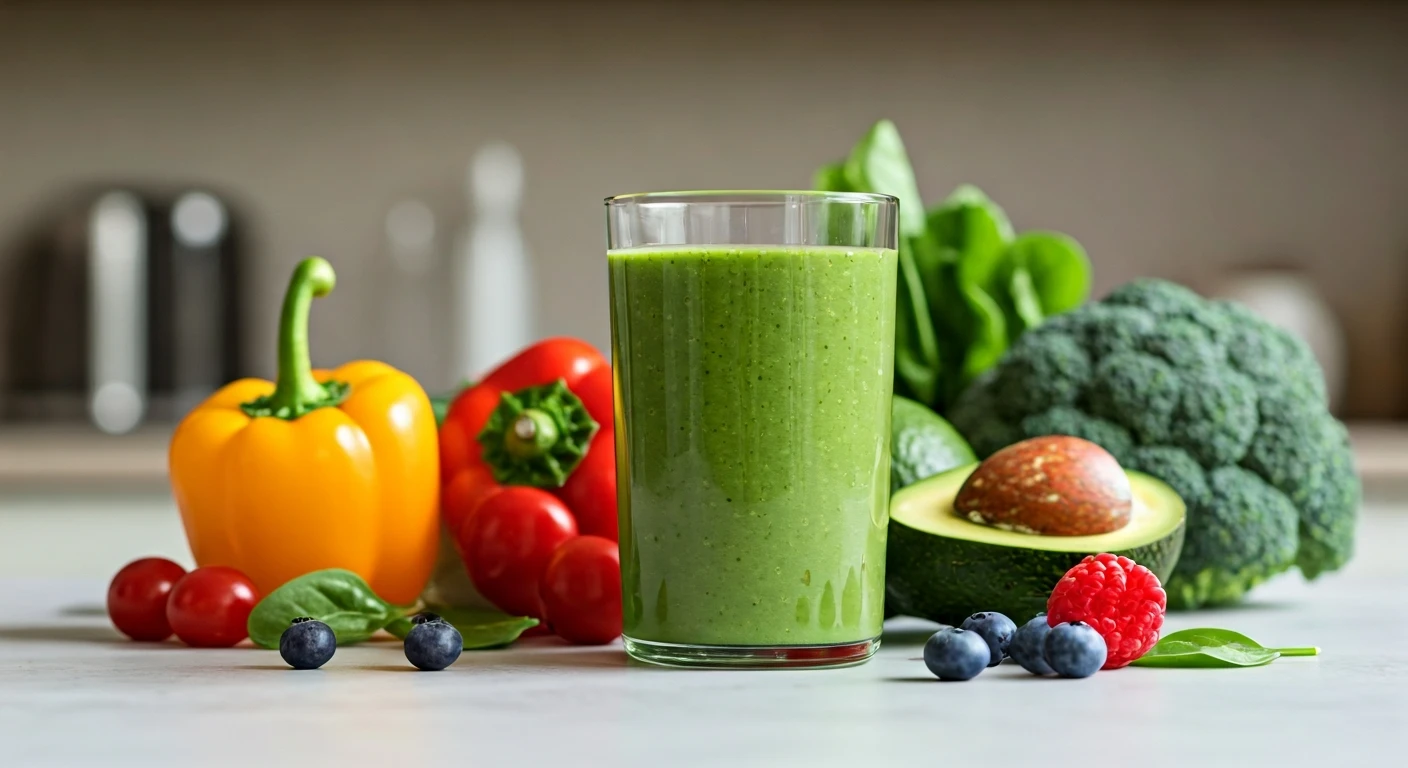
Vegetables, often hailed as nutritional cornerstones, received significant praise. Broccoli, in particular, was awarded a high score of 9/10. Its nutritional profile is packed with Vitamin C, Vitamin K, dietary fibre, folate, and a noteworthy compound called sulphoraphane. Research links sulphoraphane to potent anti-inflammatory effects and potential anti-cancer benefits, making broccoli a true superfood. Dr. Vora's rating underscores the importance of including such nutrient-dense vegetables in daily meals for their multifaceted health advantages, from boosting immunity to providing protective cellular compounds. This high score reflects the comprehensive health benefits offered by these green powerhouses.
Parmesan's Surprising Score
Even foods often considered indulgent can surprise with their nutritional merits. Parmesan cheese, typically viewed as a flavour enhancer rather than a health food, surprisingly earned a relatively high score of 8/10. Dr. Vora highlighted its rich content of essential minerals like calcium and protein, both critical for maintaining strong bones. Furthermore, its Vitamin K2 content is also noteworthy, further contributing to bone health. This rating challenges the perception that all cheeses are detrimental, indicating that some, when consumed in moderation, can offer valuable nutrients. It underscores the importance of looking beyond general classifications and examining the specific nutrient profile of individual foods.
Expert Nutritional Guidance
Ashlesha Joshi, a fitness dietician and nutritionist, elaborates on how individuals can effectively evaluate their food choices for daily consumption. She emphasizes that a food's true health value is determined by its overall nutrient density and the frequency with which it is consumed, rather than relying on a single positive or negative characteristic. A genuinely healthy option should provide a wealth of essential nutrients, including fibre, protein, vitamins, and healthy fats, while conspicuously avoiding excessive amounts of added sugars, sodium, or unhealthy fats. Joshi further stresses the importance of considering how each food integrates into one's broader dietary pattern. While foods high in sugar or sodium might possess some beneficial qualities, they are not ideally suited for regular intake and should be treated as occasional additions rather than dietary staples. This perspective encourages a nuanced approach to healthy eating, prioritizing balance and mindful integration.
Processed Foods: Occasional Treat
Addressing concerns about highly processed meals and instant noodles, Joshi clarifies that these foods are not inherently harmful if consumed infrequently. However, she notes that they are not designed to provide complete nutritional adequacy. Typically, they are loaded with sodium, refined carbohydrates, and various additives, while being significantly deficient in fibre and protein. Occasional consumption within an otherwise balanced diet is unlikely to cause adverse effects. The primary concern arises when these items start replacing whole, nutrient-rich meals on a regular basis. Such a shift can, over time, negatively impact metabolic health and lead to inadequate nutrient intake. Therefore, moderation and awareness are key when incorporating such items into one's diet.
Balancing Nutrients and Portions
Joshi highlights that achieving the right equilibrium between nutrient-dense foods and appropriate portion control is fundamental to a healthy diet. This balance hinges on both the quality and the quantity of food consumed. While nutrient-dense foods like fruits are inherently beneficial, maintaining an awareness of portion sizes remains critical, especially for options that are calorie-dense. For instance, consuming whole fruits is generally preferable to fruit juices due to the fibre content; however, overconsumption of even whole fruits can still lead to excessive sugar intake. The most effective strategy involves incorporating a wide variety of foods in moderate quantities. Ensuring meals are well-rounded with adequate protein, healthy fats, and fibre will effectively support sustained energy levels and metabolic stability, promoting overall well-being.