





Smart Trip Planning
To experience Italy without overspending, strategic planning is paramount, especially concerning travel timing. Visiting during the low season, typically
from November through March, offers significant savings on flights and accommodations, while also allowing for a more intimate experience with fewer crowds. While major cities like Rome, Florence, and Milan remain vibrant year-round, be aware that coastal resorts, such as those along the Amalfi Coast, may have limited services during winter months. For the best selection and rates, especially if targeting peak summer travel, begin organizing your trip approximately three to six months in advance, or even up to a year if aiming for highly sought-after destinations or lodging, as recommended by those in the hospitality industry who plan bookings far ahead.
Savvy Flight Bookings
Securing affordable airfare to Italy requires a keen understanding of timing and flexibility. Historically, January and February have presented the most cost-effective flight options. Beyond the winter months, the shoulder seasons—spanning March to May and September to November—often reveal attractive deals for travel to Italy. To maximize savings, be open to alternative arrival cities. Utilizing flight comparison tools and their flexibility features can highlight cheaper entry points. For instance, if flying directly to your desired city is costly, consider booking a flight to a nearby, more accessible airport and then utilizing Italy's efficient train system to reach your final destination, potentially saving hundreds of dollars.
Budget-Friendly Stays
Italy offers a diverse range of lodging options that cater to various budgets. Beyond conventional hotels, consider more economical choices like bed-and-breakfasts or hostels, which can provide comfortable stays at lower price points. In many cities, historic monasteries operate guesthouses offering modest rooms, though some may have restrictions like curfews. For those seeking a more rustic and authentic experience, particularly in rural areas, exploring *agriturismos* is highly recommended. These establishments, rooted in agricultural tourism, often provide fresh, locally sourced food and a unique connection to the land, typically at a more affordable rate than standard hotels. When evaluating vacation rentals, always compare their costs against budget hotels and hostels, especially in popular urban centers, as prices can fluctuate significantly.
Efficient Italian Transit
Navigating Italy can be remarkably economical thanks to its extensive public transportation network. High-speed trains, such as the Frecciarossa, offer rapid transit between major cities, with routes from Rome to Naples taking as little as 70 minutes. To secure the best fares on these high-speed services, booking tickets well in advance is crucial, as prices tend to increase closer to the travel date. For journeys to smaller towns or more leisurely travel, consider intercity or regional trains, which are generally less expensive but take longer. Within cities, local public transport like metros, buses, and trams provide the most cost-effective way to explore. For example, a single metro ticket in Rome is valid for 100 minutes across multiple modes of transport, and daily passes offer unlimited travel for a reasonable fee. In Venice, the *vaporetto* (water bus) is a budget-friendly alternative to water taxis for traversing the Grand Canal and reaching surrounding islands.
Affordable Gastronomy
Savoring Italy's renowned cuisine doesn't have to be an expensive affair. While fine dining establishments exist, numerous local eateries offer authentic flavors at wallet-friendly prices. Opting for a *trattoria* or *osteria* often provides a more casual and economical dining experience, focusing on regional specialties. *Pizzerias*, especially those offering *pizza al taglio* (by the slice), are excellent for a quick, inexpensive meal. Even humble *frittorias* (fried food stands) and local bars serving pastries and sandwiches present budget-conscious options for a satisfying bite. A simple yet effective way to save on drinks is to emulate locals by enjoying your espresso standing at the counter rather than opting for table service, which typically incurs a higher charge.
Free & Low-Cost Adventures
Italy offers a wealth of cultural experiences and attractions that are accessible without significant expense. Many state-run museums and archaeological sites have entry fees that are quite modest, and some are even free on the first Sunday of each month, though advance booking might still be required. Beyond ticketed venues, a vast number of Italy's treasures are completely free to enjoy year-round. Most churches, often housing magnificent art, are open to the public without charge and serve as tranquil havens. Public parks, such as Rome's Villa Borghese, provide beautiful green spaces for relaxation and exploration. Simply wandering through picturesque piazzas, admiring historic fountains, and marveling at iconic monuments offers a rich and cost-free way to immerse yourself in the Italian ambiance.
Extra Money-Saving Tips
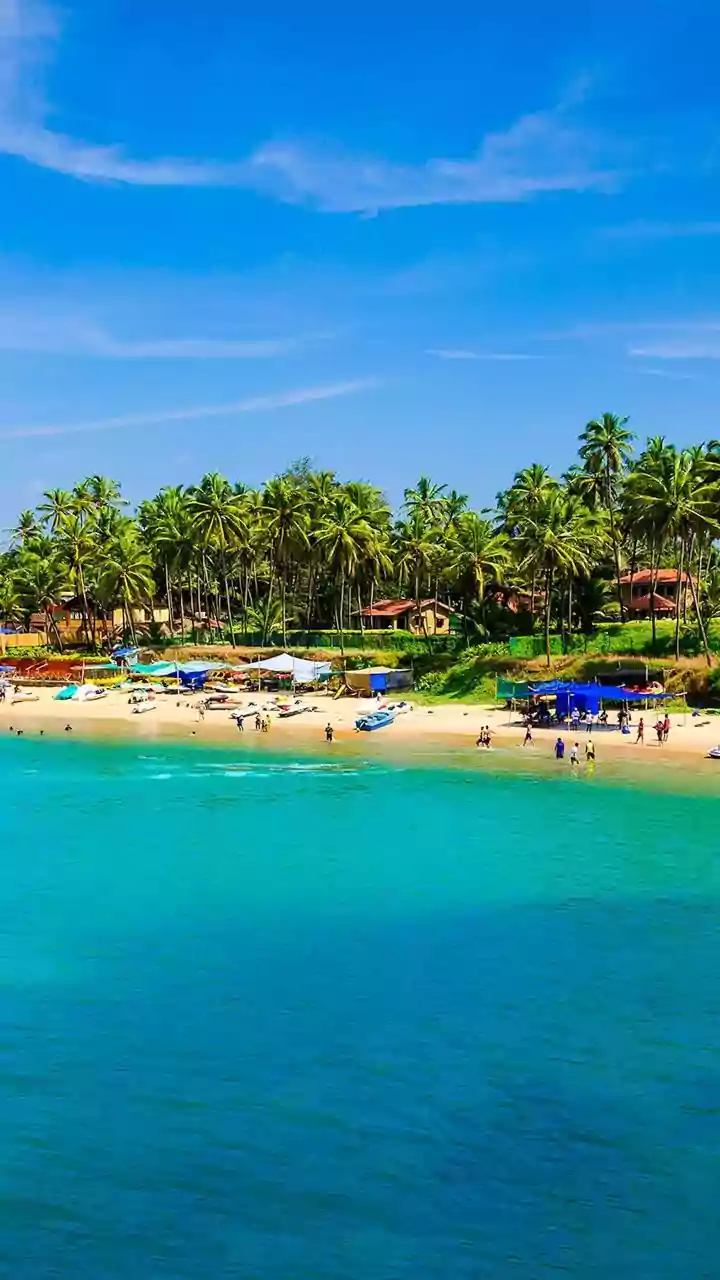
For those visiting during warmer months and desiring a beach experience, seeking out *spiaggia libera*, or free public beaches, is a smart alternative to costly beach clubs. Remember to bring your own towels and amenities. Furthermore, consider venturing beyond the most famous tourist hubs to explore Italy's secondary cities. Destinations like Parma, Modena, Siena, Perugia, Orvieto, Tropea, and Lecce often provide more affordable rates for accommodations, dining, and activities compared to their larger counterparts. Embracing these less-traveled locales can lead to both significant savings and a more authentic, less crowded experience of Italian life.