





Sudden Energy Bursts
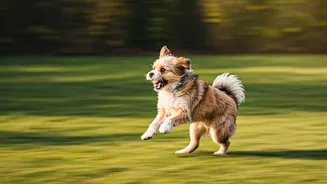
Dogs sometimes experience spontaneous, rapid bursts of energy, often referred to as 'zoomies.' These exhilarating dashes around the house or yard are a natural
way for them to release pent-up excitement or physical tension. This can occur after bathing, during enthusiastic play sessions, or even as a prelude to sleep. It's akin to a canine version of blowing off steam, a necessary outlet for their physical and emotional well-being. The intensity and suddenness can be startling, but it's typically a healthy sign that your dog is managing its energy levels effectively. This behavior highlights their playful nature and the importance of providing ample opportunities for exercise and stress relief throughout the day to prevent excessive build-ups.
Curious Head Tilts
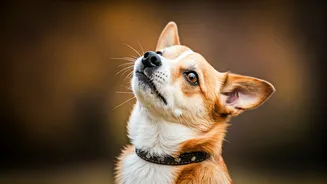
The endearing head tilt your dog performs when you speak is more than just a cute quirk; it's a sophisticated listening mechanism. By adjusting their head position, dogs can better triangulate the source of sounds and enhance their auditory perception. This allows them to more accurately decipher the nuances of your voice, including tone, emotional inflection, and familiar keywords. It's their way of actively engaging with your speech and trying to glean as much meaning as possible from your vocalizations. This behavior underscores their attentiveness and their deep desire to understand and connect with their human companions on an auditory level, making them highly responsive to our communications.
Pre-Sleep Circles
The ritualistic circling dogs perform before settling down to sleep is deeply rooted in their ancestral instincts. In the wild, canines would meticulously flatten and arrange vegetation or bedding to create a comfortable, secure, and safe sleeping area. This behavior served to remove any potential hazards and to insulate them from the ground. Your dog's modern-day circling on carpets or beds is a direct echo of this ancient practice. It's a way of preparing their immediate environment for rest, ensuring optimal comfort and a sense of security, even in a domesticated setting. This instinctual habit demonstrates their innate need for a prepared and safe haven for repose.
Intense Staring
When your dog fixes you with a steady, unwavering gaze, it can convey a range of emotions and intentions. Often, this prolonged eye contact is a profound expression of affection and a means of strengthening the bond between pet and owner. However, it can also indicate anticipation. Your dog might be patiently waiting for a signal – perhaps a cue for a meal, an indication of an upcoming walk, or simply a desire for your focused attention. Understanding the context of the stare is key to interpreting its meaning. It’s a powerful non-verbal communication tool they employ to foster connection and express their needs or contentment.
Unexplained Grass Eating
The habit of dogs consuming grass, even when provided with regular food, is a puzzling behavior for many owners. While the exact reasons aren't always clear, it can stem from various factors. Some dogs may eat grass out of boredom, seeking a mild form of stimulation. Others might do so to aid digestion, potentially soothing an upset stomach or facilitating the passage of something in their gastrointestinal tract. This behavior could also be an evolutionary throwback to their ancestors, who had more varied and less predictable diets, often incorporating plant matter. It’s a complex behavior with potential roots in instinct, physical well-being, or simple curiosity.
Constant Companionship
Your dog's unwavering desire to follow you everywhere, including seemingly private moments like trips to the bathroom, is a manifestation of their deep-seated pack mentality. In their natural social structure, staying close to the group ensures safety and security from potential threats. This constant proximity reflects their instinctual need for companionship and their perception of you as the central figure of their 'pack.' Furthermore, it can be a clear sign of their strong attachment and emotional dependence, as they feel most secure and content when in your immediate vicinity. This behavior underscores their loyalty and their inherent need for social connection.
Barking at 'Nothing'
When your dog erupts in barks directed at seemingly empty space, a wall, or a corner, it's rarely without cause. Dogs possess vastly superior senses of hearing and smell compared to humans. They are likely reacting to stimuli that are imperceptible to us, such as distant sounds, subtle vibrations, faint scents, or minute movements that our senses cannot detect. Their barks are a way of alerting you to something they perceive in their environment, even if that 'something' remains invisible and inaudible to you. It's a testament to their heightened awareness and their role as vigilant observers of their surroundings.
Presenting Random Objects
The act of your dog bringing you various items – be it a sock, a favorite toy, or an unexpected find – is a form of meaningful communication. This gesture can signify a variety of intentions, such as an invitation to engage in play, a desire to share something they value, or even a small token of affection, akin to offering a gift. In their communication style, this action often symbolizes trust and a strong sense of connection with you. It's their way of interacting, expressing happiness, and reinforcing the positive relationship they share with their human family members, showing they feel comfortable and bonded.