




Intense Diplomatic Engagement
Iran's Foreign Minister, Abbas Araghchi, characterized the recent diplomatic exchanges with the United States in Geneva as the "most intense" discussions
to date. This statement suggests a palpable advancement in their ongoing negotiations concerning Tehran's nuclear program and the associated international sanctions. Araghchi conveyed a sentiment of cautious optimism, highlighting that negotiators had not only achieved "very good progress" but had also delved deeply into the core components of a potential agreement, addressing both nuclear matters and sanctions relief with considerable seriousness. While specific details were kept confidential, Araghchi emphasized that Iran had clearly articulated its demands and observed a genuine commitment from both parties to pursue a negotiated settlement. The intensity of these talks underscores the critical nature of the discussions and the shared endeavor to find common ground amidst complex geopolitical challenges. Further technical discussions are slated to occur at the IAEA in Vienna, with another high-level meeting between the US and Iran potentially following in less than a week, indicating a sustained pace in diplomatic efforts.
Progress Amidst Tensions
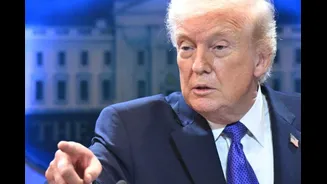
The recent talks unfolded against a backdrop of heightened regional instability, marked by a significant US military presence in the Middle East and repeated warnings from President Donald Trump regarding potential military action should negotiations falter. Despite these geopolitical pressures, Oman's Foreign Minister, Badr al-Busaidi, who played a mediating role in the Geneva discussions, confirmed "significant progress in the negotiation." Iranian state media, however, indicated that Tehran remains firm in its stance on continuing uranium enrichment and rejecting proposals for transferring nuclear material abroad. Simultaneously, Iran is pushing for the comprehensive lifting of sanctions, signaling a potential divergence from all US demands. This dynamic suggests that while diplomatic channels are active and productive, fundamental disagreements persist, making the path to a comprehensive agreement complex and fraught with challenges. The stakes are exceptionally high, as acknowledged by Araghchi, who warned that any US military strike could ignite a wider regional conflict involving numerous American bases in the area.
Path Forward and Challenges
Experts interpret the continuation of these high-level talks as a positive indicator of potential common ground between the United States and Iran. The return of the US delegation to the negotiation table, as noted by Ali Vaez of the International Crisis Group, demonstrates that sufficient shared interests exist to warrant sustained engagement. These discussions are particularly significant given the collapse of previous negotiations last year, which were marred by regional conflicts and military actions. The current talks, led by key figures such as Araghchi for Iran and US envoy Steve Witkoff and Jared Kushner, highlight the strategic importance placed on this diplomatic effort. While Tehran asserts its nuclear program is purely for peaceful purposes, Washington harbors suspicions that Iran might be seeking to reconstitute aspects of its nuclear capabilities. A failure to reach a resolution in these talks could leave the region in a precarious state, with potential repercussions including volatile oil prices and an increased risk of broader conflict, underscoring the urgency and critical nature of achieving a diplomatic breakthrough.