

The Floating Grain Test
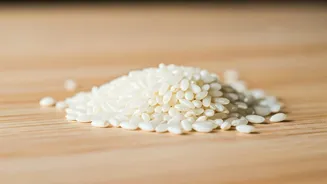
A common home remedy suggests that genuine rice sinks in water while fake rice floats due to density differences. However, this isn't entirely accurate.
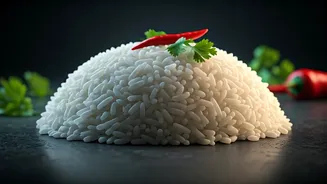
While most rice grains, being dense, naturally sink, certain factors can cause them to float. These include broken grains, rice that is exceptionally dry, or even puffed kernels that contain air. Parboiled varieties and heavily polished rice might also exhibit different buoyancy. Therefore, a few floating grains aren't definitive proof of synthetic material but could indicate low-grade or damaged rice that is best discarded. A majority of grains sinking is generally considered normal, while a significant number floating warrants further attention, not necessarily due to plastic but due to quality concerns.
Heat and Smell Assessment
Another popular method involves exposing a few rice grains to heat, either by holding them near a flame or warming them in a dry pan. The theory is that synthetic materials react differently to heat than natural starches. Real rice, when heated, should char, darken, and emit a toasty aroma reminiscent of burnt starch, eventually turning into ash. Conversely, if the grains melt into a sticky, glossy substance and release a strong, chemical-like odor, it's a significant red flag suggesting potential contamination. This test requires caution; ensure good ventilation and avoid inhaling any fumes. The presence of a sharp, synthetic smell along with melting is a strong indicator to avoid consumption and report the issue to food safety authorities.
Cooking Behavior Insights
Observing how rice behaves during the cooking process can also offer clues. It's suggested that 'plastic rice' would remain unusually firm or form a rubbery layer on the surface even after prolonged boiling. In reality, rice that has been stored for extended periods or subjected to extensive milling might not cook as expected. It could take longer to soften, release excess starch that makes the cooking water cloudy, or clump together in unusual ways. These characteristics usually point towards the age or processing of the rice rather than synthetic adulteration. However, if the rice remains uniformly hard, emits an odd smell, or appears excessively glossy and fused after ample boiling time, it is advisable not to consume it and to investigate further.
Crushing Texture Clues
The final practical check involves assessing the texture of a cooked rice grain. After boiling, a properly cooked grain should flatten or smear when pressed between your fingernails or rubbed against a hard surface, due to the softening of its starch content. Grains that remain remarkably firm might be undercooked. Certain naturally occurring rice varieties with high amylose content can also remain chewy even when fully cooked. Therefore, judging authenticity solely by texture can be misleading, as it’s influenced by various factors like cooking time and rice type. It's more reliable to consider texture in conjunction with other observations like aroma and cooking water clarity.
When to Take Action
It's crucial to understand that these home tests are not scientifically conclusive for identifying synthetic rice. Their primary benefit lies in helping you detect issues such as spoiled or stale stock, over-processing, the presence of foreign materials, or grains that simply behave unusually. If multiple tests indicate an abnormality, the most important step is to refrain from eating the rice. Preserve the packaging and a small sample for analysis, and promptly report your findings to your local food safety office or a consumer helpline. To minimize future concerns, purchase rice from reputable brands and retailers, check expiry dates, and store it properly in airtight containers to prevent spoilage.
Five Delicious Rice Recipes
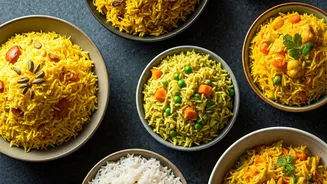
If your rice passes these quality checks and looks, smells, and cooks normally, it's ready to be transformed into delightful meals! Start with Jeera Rice, a fragrant basmati dish infused with cumin seeds and finished with fresh coriander, perfect for pairing with dals and curries. Next, try Vegetable Pulao, a flavorful one-pot meal brimming with sautéed vegetables and aromatic spices. For a zesty twist, Lemon Rice offers a bright and tangy flavor, enhanced with mustard seeds and curry leaves. Indulge in the comforting simplicity of Curd Rice, a cooling blend of mashed rice, yogurt, and a tempering of spices, often garnished with pomegranate seeds. Finally, prepare Simple Tomato Rice by simmering rice with a rich tomato-onion base, seasoned with ginger-garlic paste and chili powder, offering a vibrant and satisfying meal.