


Understanding Stroke Emergencies
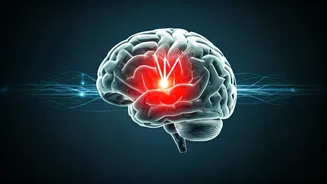
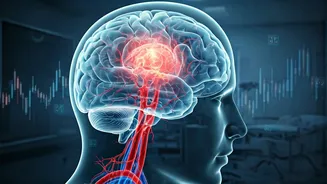
A stroke, often termed a 'brain attack,' is a critical medical emergency where the brain's blood supply is suddenly disrupted. This interruption, whether
due to a blockage or bleeding, deprives brain cells of essential oxygen and nutrients, leading to rapid cell death. Globally, strokes are a significant cause of mortality and long-term disability, with statistics indicating that a substantial portion of adults over 25 will experience one in their lifetime. The urgency is underscored by the fact that brain tissue begins to deteriorate within minutes of the blood flow being compromised. Therefore, recognizing the signs and initiating prompt medical intervention are crucial for minimizing damage and improving recovery outcomes. Dr. Jeremy London, a cardiovascular surgeon with over a quarter-century of expertise, emphasizes that "minutes count with a stroke," highlighting the profound impact of timely treatment on preserving brain function.
The BE FAST Acronym
To simplify stroke recognition, a well-established acronym, 'BE FAST,' serves as a vital mnemonic. This handy guide helps individuals quickly identify potential stroke symptoms. 'B' stands for Balance, indicating sudden dizziness, lightheadedness, or loss of equilibrium. 'E' refers to Eyes, signaling abrupt changes in vision, such as double vision or complete loss of sight in one or both eyes. 'F' signifies Face, characterized by drooping on one side or an uneven appearance when the person smiles. 'A' represents Arm, denoting sudden weakness or an inability to lift one arm. 'S' is for Speech, which may manifest as slurred words, difficulty speaking, or trouble understanding speech. Finally, 'T' underscores Time, a critical reminder that if any of these signs are observed, it is imperative to immediately call emergency services, such as 911 in your region. This systematic approach ensures that potential strokes are not overlooked and that rapid medical assistance is sought.
Immediate Action & Ambulance Care
When stroke symptoms are recognized, immediate action is non-negotiable, and the 'T' in BE FAST—Time—cannot be stressed enough. Dr. London strongly advises against self-driving to the hospital or transporting someone else yourself. This is because specialized stroke care can commence even before reaching the hospital, often within the ambulance itself. Paramedics are equipped to provide initial treatments and can alert the hospital's stroke team about the impending arrival. This notification allows the medical facility to prepare for the patient's arrival, ensuring that diagnostic tests and crucial interventions, like clot-busting medications, can be administered without delay. The principle of "Time equals brain tissue saved" is paramount. By utilizing ambulance services, patients can receive critical care en route, significantly improving their chances of recovery and reducing the severity of long-term disabilities. Prompt recognition followed by immediate emergency medical service activation is the most effective strategy.