






TB is Curable Fact
A prevalent myth is that tuberculosis is an untreatable condition, leading many to despair. However, medical experts emphatically state that TB is indeed
curable with prompt diagnosis and adherence to a prescribed course of medication. The critical factor for successful recovery hinges on individuals diligently completing their entire treatment regimen, even after symptoms subside. This commitment ensures the eradication of the bacteria and prevents the development of complications or the emergence of drug-resistant strains.
Beyond the Lungs
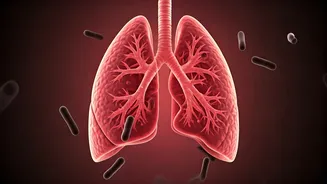
Many people mistakenly believe that tuberculosis exclusively targets the lungs. While pulmonary TB is indeed the most common manifestation, health professionals clarify that the bacterium responsible for TB can infect various other parts of the body. This is known as extrapulmonary tuberculosis, and it can affect areas such as the brain, the spinal cord, the lymphatic system, and other internal organs. Recognizing these diverse presentations is vital for accurate diagnosis and comprehensive treatment.
A Present-Day Threat
Contrary to the belief that TB is a relic of the past, doctors emphasize that it continues to be a significant infectious disease on a worldwide scale. India, in particular, shoulders a substantial burden of TB cases, highlighting its persistent presence as a contemporary public health challenge. Modern medical advancements have not eradicated TB; it requires ongoing vigilance and public health efforts to manage and reduce its incidence.
Who is at Risk?
While certain factors like poor nutrition, smoking habits, and a compromised immune system can elevate an individual's susceptibility to TB, experts underscore that the disease can affect anyone exposed to the tuberculosis-causing bacteria. It is not limited to specific demographics or conditions. Therefore, widespread awareness and preventative measures are crucial for protecting the general population, irrespective of their lifestyle or health status.
BCG Vaccine's Role
The Bacillus Calmette-Guérin (BCG) vaccine is often perceived as providing absolute immunity against tuberculosis. However, healthcare professionals explain that while it offers a degree of protection, particularly in safeguarding children from severe forms of the disease, it does not confer lifelong immunity. It is a valuable tool in TB prevention, but not a foolproof guarantee against infection or illness.
Airborne Transmission
A common misconception is that TB spreads through casual touch, sharing food, or contaminated utensils. Medical practitioners clarify that tuberculosis is primarily an airborne illness. The infection is transmitted through tiny droplets released into the air when an infected individual coughs, sneezes, or speaks, underscoring the importance of respiratory hygiene and ventilation.
Not a Genetic Condition
The idea that tuberculosis can be inherited or runs in families is another myth that needs debunking. Doctors are clear that TB is not a genetic disorder. It is caused by a bacterial infection that spreads from person to person through the air, not through inherited genes. Therefore, family history does not predetermine susceptibility to the disease, only exposure does.
Complete Treatment is Key
Patients sometimes discontinue their TB medication once they start feeling better, a practice that doctors strongly caution against. Even if symptoms vanish, stopping treatment prematurely can lead to the development of drug-resistant tuberculosis. This form of the disease is significantly more challenging, dangerous, and costly to treat, often requiring extended and more toxic drug regimens.
Life Post-Treatment Start
The fear of contagion often leads TB patients to isolate themselves unnecessarily. However, medical experts explain that once a patient begins treatment, they rapidly become non-infectious. While maintaining basic precautions is advisable, patients can generally resume their normal lives and social interactions without posing a significant risk to others, thus combating the stigma associated with the disease.
TB Affects Everyone
There's a persistent belief that tuberculosis disproportionately affects individuals from lower socio-economic backgrounds. Doctors emphasize that this is not the case. Modern lifestyles, increasing stress levels, and a weakened immune system can render anyone vulnerable to TB, regardless of their living conditions or financial standing. It is a disease that transcends social and economic divides.