



Day-Old Rice Magic
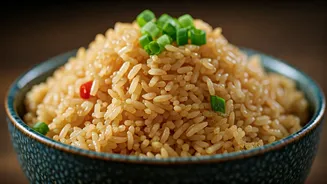
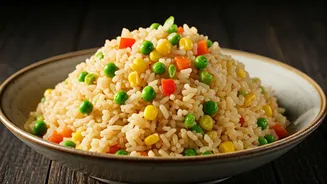
The most significant factor in achieving light, distinct grains in your fried rice is the type of rice you use. Freshly cooked rice contains a higher moisture
content, making it inherently sticky and prone to clumping when subjected to the high heat of stir-frying. This excess moisture softens the rice kernels further, causing them to adhere to each other and resulting in a dense, almost paste-like consistency. To circumvent this, always opt for rice that has been cooked, cooled, and preferably refrigerated for at least a day. This chilling process causes the starch in the rice to retrograde, making the grains firmer and less likely to break apart. If you must use freshly cooked rice, spread it out on a clean tray or plate and allow it to cool completely to room temperature. For even better results, refrigerate it for a couple of hours before you begin your stir-fry. This simple step is the foundation for successfully avoiding a mushy outcome.
Mastering Rice Cooked
Beyond the age of the rice, how you initially cook it plays a pivotal role in its final texture. Overcooked rice, even if it's day-old, will invariably lead to a soft and broken-grain result. When rice grains are already compromised from overcooking, they become fragile and are highly susceptible to disintegrating further during the vigorous process of stir-frying. This breakage contributes directly to a sticky, pasty consistency, stripping the fried rice of its characteristic structure. To ensure your rice holds up, aim for it to be cooked just until it's tender but not soft or mushy. Consider using slightly less water than your recipe typically calls for. After cooking, allow the rice to cool down entirely before proceeding. This pre-cooking preparation is essential for building the structural integrity needed for successful frying.
Sauce Smarts
It's natural to want to imbue your fried rice with a rich flavor, often leading to the temptation of adding generous amounts of soy sauce and other liquid seasonings. However, this is another common culprit behind mushy fried rice. Excessive liquids, regardless of their deliciousness, will saturate the rice grains, leading to a soggy texture and the formation of unappealing sticky clumps. The goal of fried rice is a slightly dry, distinct grain texture, reminiscent of restaurant-style preparations, which becomes impossible to achieve when it's swimming in sauce. Approach your sauces with a light hand. Introduce them gradually, mixing thoroughly after each small addition to ensure even distribution without overwhelming the rice. Allow any excess moisture to evaporate by maintaining high heat during the cooking process, ensuring you achieve a desirable finish.
Pan Space Vital
The size and occupancy of your cooking vessel are surprisingly critical for optimal fried rice. Attempting to cook a large quantity of fried rice in a pan that is too small or too full will inevitably lead to steaming rather than proper frying. When the pan is overcrowded, the ingredients are packed too tightly, trapping steam within the mixture. This trapped moisture prevents the rice from achieving a crispy, toasted texture, instead contributing to a soft and clumpy outcome. To avoid this, use a broad wok or a wide frying pan that allows for ample surface area. If you find yourself making a big batch, don't hesitate to cook it in smaller portions. Maintaining high heat is also crucial here, as it facilitates quick cooking and prevents moisture buildup.
Gentle Tossing Technique
The way you combine and move the ingredients in your wok or pan significantly impacts the final texture of your fried rice. Vigorous, constant stirring or aggressive mixing can easily break apart the delicate rice grains. This constant agitation results in a broken, mushy consistency, diminishing both the texture and the visual appeal of your dish. Instead of stirring, adopt a gentle tossing or folding motion. Use a flat spatula to carefully lift and combine the ingredients. The objective is to mix everything thoroughly to ensure even cooking and seasoning without causing the rice kernels to fracture. A light touch preserves the integrity of the grains, leading to a much more satisfying eating experience.
Heat is Key
The temperature at which you cook your fried rice is non-negotiable for achieving the desired texture. Cooking on low heat is a direct route to mushy results because it promotes steaming rather than true frying. Under low heat conditions, moisture doesn't evaporate effectively; instead, the rice absorbs excess liquid, becoming soft and soggy. Furthermore, low heat prevents the development of that characteristic slightly smoky, 'wok hei' flavor that elevates fried rice. Always aim to cook your fried rice on medium-high to high heat. This intense heat ensures that ingredients cook quickly and that any excess moisture is swiftly driven off. Having all your ingredients prepped and ready to go before you start cooking will enable you to maintain this high heat throughout the process.