






Fat Loss Explained
Fat loss, a complex biological process, is often accompanied by unexpected changes. These shifts can manifest differently in each person, but are generally
tied to the body adapting to reduced energy intake or increased energy expenditure. Various processes come into play as the body begins to burn stored fat for energy. Hormonal adjustments, metabolic alterations, and changes in hydration levels all contribute to the range of observed effects. Understanding these intertwined mechanisms is key to interpreting the body's response during weight loss journeys and knowing what signals might need attention.
Increased Urination Noted
One of the most frequent observations during fat loss is increased urination. The body stores glycogen, a form of glucose, along with water. When fat loss is initiated, the body taps into these glycogen stores for energy, leading to a release of water. This results in heightened urine production, a common experience for many. Additionally, the breakdown of fat can produce byproducts that the kidneys work to remove, further contributing to the increase. This heightened activity can result in individuals finding themselves making more trips to the bathroom, and thus, understanding this is a standard and quite natural process that happens as the body loses fat.
Feeling the Cold
Another sign of body fat loss is a heightened sensitivity to cold. Body fat acts as an insulator, retaining body heat. As fat reserves decrease, the body's insulation is reduced. This means the body can lose heat more easily to the surrounding environment, resulting in a sensation of feeling colder. This is particularly noticeable in cooler environments, where the body's thermoregulatory mechanisms have to work harder to maintain a stable internal temperature. Individuals undergoing fat loss may find themselves reaching for warmer clothing even in situations where they previously felt comfortable. This is a common experience, but if extreme, it's worth re-evaluating.
Sweat and Odor
Altered sweat and odor are also associated with fat loss. As the body metabolizes fat, it produces various byproducts, some of which are eliminated through sweat. Changes in diet and metabolism can impact the composition of sweat, leading to noticeable variations in its odor. Furthermore, fat-soluble toxins that have been stored within fat cells are released during fat breakdown and eliminated, possibly changing body odor. These shifts are a natural outcome of the body's biochemical adjustments during fat loss, and can vary from person to person depending on factors like diet, exercise, and individual body chemistry. Changes in the composition of sweat and body odor can vary, but are generally understood to be natural and not a cause for alarm.
Progress versus Issues
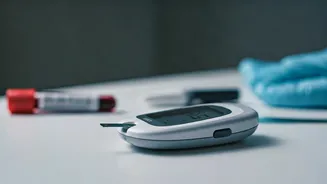
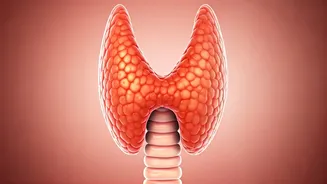
While these signs are often indicative of healthy fat loss, it is vital to discern them from other potential medical issues. Excessive urination, for instance, can also signify conditions like diabetes or kidney problems. Heightened cold sensitivity might indicate an underlying thyroid issue. Persistent or unusual changes warrant the advice of a healthcare professional. Recognizing these indicators and seeking appropriate advice is key to differentiating between typical physiological adaptations linked to fat loss, and possible problems requiring medical attention. Consulting with a healthcare provider ensures the weight loss journey aligns with overall health and avoids the overlooking of any health concerns.