

Childhood Summers and Falsa
The author recounts a nostalgic journey back to Burhanpur after nearly three decades, a trip prompted by a family funeral. The memories evoke a vibrant
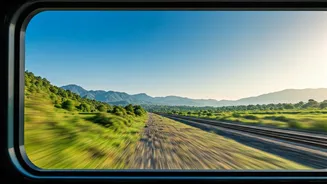
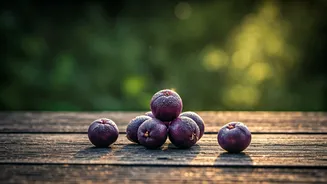
past filled with large family gatherings during summer vacations. These visits were characterized by the rustic charm of the city, including narrow, dusty lanes and the distinctive early morning arrival of the train. The journey was punctuated by familiar rituals, like the mandatory holy dip in the Tapti River, and the comforting domestic atmosphere of houses sharing walls, where the scent of cow dung mixed with water would cool the floors. Central to these cherished memories is the 'falsa,' a delightful dark purple berry with its unique tangy-sweet profile, a fruit that defined Burhanpur's semi-arid summer months. The author fondly remembers consuming falsa fresh and the anticipation of enjoying 'falsa murabba,' a traditional syrup prepared from its pulp, which was a treasured takeaway, symbolizing the unconditional love shared within the family.
Culinary Legacies and Waterways
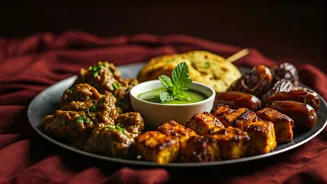
Beyond the beloved falsa, Burhanpur's culinary landscape holds other treasures that have left a lasting impression. Among these are 'daraba,' a rich semolina-based halwa with roots tracing back to the 17th century, often enhanced with chestnut flour. The city's sweet offerings also include delectable 'mawa jalebis' and 'shahi tukdas,' further enriching its gastronomic identity. The unique taste of water in certain parts of the city is attributed to the 'Khooni Bhandara,' an ingenious underground water management system established in 1615. This historical marvel was initially designed to serve the needs of Mughal soldiers and the local populace and continues to be a vital source of water for the city today, underscoring Burhanpur's enduring historical infrastructure.
Mughal Splendor and Transition
Burhanpur, established in 1400 AD along the Tapti River, historically served as a crucial gateway to southern India and flourished for decades under Emperor Shah Jahan's patronage. The city's rich Mughal heritage is evident in its architectural marvels. These include the Shahi Qila, a magnificent riverside palace known for its traditional hammam and distinctive Mughal design, and the Jama Masjid, an impressive structure from 1589 featuring elegant arches and a serene courtyard. The Aahukhana, a site where Mumtaz Mahal was once temporarily laid to rest, and the Kala Taj, rumored to be part of Shah Jahan's ambitious plans for a black marble Taj Mahal, each tell a compelling story. Today, the historic Shanwara Gate, once a significant entry point to the walled city, still sees traditional tongas alongside the more prevalent auto-rickshaws and modern transport, reflecting Burhanpur's ongoing evolution from its past glory to its contemporary reality.
A Heartfelt Homecoming
The author's present journey to Burhanpur, undertaken after significant family losses, brings a profound sense of reunion. The large ancestral home, once the nucleus of the extended family and the reason for annual summer visits, now feels different with the absence of beloved figures. The memory of relatives who meticulously kept the family united, drawing everyone back to Burhanpur year after year, remains vivid. The hustle and bustle of a demanding professional life had gradually dulled these deeply cherished memories. It was this solemn occasion, however, that served as a catalyst, pulling the author back to the city and to the enduring spirit of love, generosity, and warmth that has always defined Burhanpur, reconnecting with the essence of the place and its people.