







What Are Boneyards?
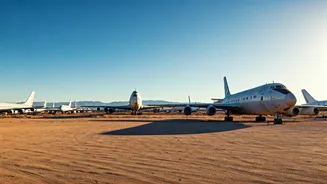
Imagine sprawling desert vistas dotted with hundreds of colossal aircraft, a sight that might initially evoke concern about forgotten crashes. However,
these aren't scenes of abandonment but rather carefully managed storage facilities, often referred to as aircraft boneyards or graveyards. Far from being mere junkyards, these sites serve as essential hubs for the aviation industry. They are meticulously organized locations where aircraft, from commercial airliners to military jets, are retired from active service and stored. These facilities are crucial for preserving planes, expertly harvesting valuable components for reuse on operational aircraft, and managing the eventual recycling of retired planes. Facilities like the renowned Davis-Monthan Air Force Base in Arizona are prime examples, housing thousands of aircraft under the watchful eye of the US Air Force, each plane a testament to its operational past and potential future utility.
Why Desert Storage?
The choice of desert environments for these vast aircraft storage facilities is no accident; it's a strategic decision driven by climatic advantages that significantly extend the lifespan of stored planes. The low humidity characteristic of deserts is paramount, as it dramatically reduces the risk of rust and corrosion, common enemies of metal structures. Furthermore, the ground in many desert locations, such as the hard-packed caliche soil found in Arizona, provides a stable and supportive foundation for the immense weight of aircraft, negating the need for expensive paved surfaces and preventing the planes from sinking. The minimal rainfall in these arid regions means that extensive protective maintenance is rarely required, allowing aircraft to remain in storage for extended periods, sometimes for decades, without significant degradation. This unique combination of dry heat and low precipitation makes deserts the most practical and cost-effective locations for preserving these valuable assets.
Preparation for Storage
Upon arrival at a boneyard, each aircraft undergoes a precise preparation process to ensure its longevity and readiness for potential future use. The initial steps involve draining all operational fluids, including fuel and hydraulic oils, to prevent leakage and contamination. Following this, meticulous sealing of engines, air intakes, and other vulnerable openings is carried out using specialized spray-on coatings. These coatings act as a protective barrier, shielding the aircraft's sensitive components from the harsh desert sun and invasive dust. To further safeguard against UV damage, reflective covers are often placed over cockpits and propellers. The aircraft are then meticulously arranged in orderly rows, and some undergo routine checks, such as rotating tires and testing critical systems. This diligent approach ensures that if demand surges or specific parts are urgently needed, these stored aircraft can be returned to service or efficiently dismantled for their valuable components.
Cannibalization and Reuse
A cornerstone of the aircraft boneyard's economic value lies in the systematic harvesting of components, a process known as cannibalization. This practice involves the expert removal of high-value parts from retired aircraft, such as intricate engine systems, sophisticated avionics, and robust landing gear. These salvaged parts are then thoroughly inspected, refurbished if necessary, and made available for sale or installation on active aircraft within airline fleets. This strategic reuse of components can result in substantial cost savings for airlines, often amounting to millions of dollars, as it is significantly more economical than purchasing brand-new parts. The availability of these pre-owned, reliable components ensures that active fleets can be maintained efficiently, minimizing downtime and keeping air travel operations running smoothly and cost-effectively even in challenging economic times.
Recycling and Revival
For aircraft that have reached the absolute end of their operational or salvageable life, the boneyard facilitates a comprehensive recycling process. Materials like aluminum are meticulously melted down to be repurposed for everyday items such as beverage cans, while other valuable metals like titanium find new life in products like golf clubs. This closed-loop system maximizes resource utilization and minimizes waste. Beyond recycling, some aircraft experience a remarkable revival. Certain planes, like the iconic B-52 bombers, have been successfully reactivated after spending years in storage, demonstrating the enduring potential of these retired giants. This dual pathway of recycling and revival highlights the multifaceted role of aircraft boneyards, serving not only as storage depots but also as crucial engines for sustainability and the continued, albeit sometimes delayed, service of aviation assets.