
Khan's Transformation Unveiled
Aamir Khan's recent physical transformation, where he lost 18 kilograms, has sparked a lot of buzz. The actor credited his success to a dietary shift.
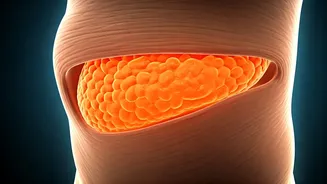
This particular diet is designed to reduce inflammation within the body. The goal is not just weight loss but also the overall improvement of health and well-being. This dietary approach has gained traction among those keen on holistic health practices. The actor's experience serves as a case study, offering insights into the power of food choices. His adoption of this diet highlights the link between what we consume and our body's responses. The transformation demonstrates the potential impact of an anti-inflammatory diet.
Core Principles Defined
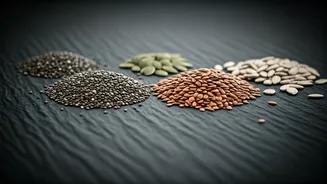
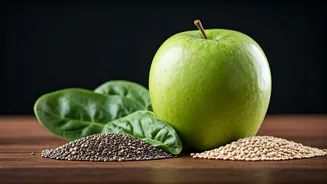
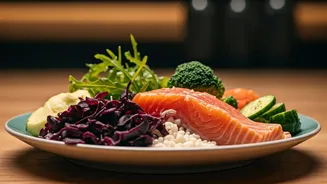
The anti-inflammatory diet centers on minimizing inflammation in the body. It emphasizes whole, unprocessed foods like fruits, vegetables, lean proteins, and healthy fats. This approach typically restricts or minimizes the intake of processed foods, refined carbohydrates, and sugary drinks, as these are known to promote inflammation. The diet also often avoids or reduces the consumption of red meat, trans fats, and excessive alcohol, which can trigger inflammatory responses. The focus is to choose nutrient-rich foods that have a beneficial effect on the body, contributing to its overall health. People adopting this diet tend to focus on including ingredients like berries, fatty fish (rich in omega-3 fatty acids), olive oil, and leafy green vegetables. Ultimately, it’s about nurturing the body from the inside out.
Potential Benefits Explored
Following an anti-inflammatory diet may lead to multiple benefits. The reduction in inflammation can result in weight loss and improved metabolic health, and this is what Aamir Khan experienced. Lower inflammation is believed to improve energy levels. Many individuals also report enhanced skin health and reduced risk of chronic diseases. For those dealing with specific health concerns, this dietary pattern may help alleviate symptoms. Individuals looking to improve their physical and mental health are often recommended to adopt this approach. The diet’s potential extends beyond physical wellness, influencing cognitive function and mood regulation. This way of eating provides a comprehensive pathway to overall well-being.
Making It Work For You
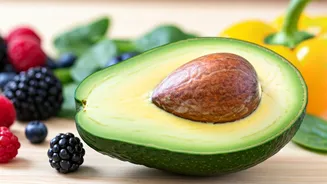
To integrate the anti-inflammatory diet, begin by incorporating more whole foods into your meals. Focus on consuming a colorful array of fruits and vegetables daily. Include a source of lean protein at each meal, and opt for healthy fats such as those found in avocados, nuts, and olive oil. Minimizing processed foods is crucial; read labels carefully to avoid hidden sugars and unhealthy fats. Gradually reduce your consumption of refined carbohydrates like white bread and pasta. Staying hydrated by drinking plenty of water supports the body's natural processes. Consulting a healthcare professional or a registered dietitian is beneficial before making significant dietary changes. A tailored plan based on personal health needs will further aid in success. Be patient as your body adjusts to new eating habits.