




The Bump Revelation
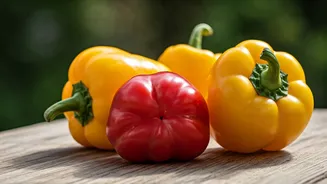
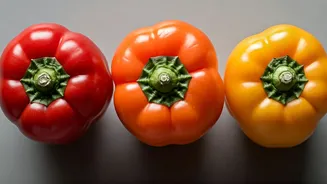
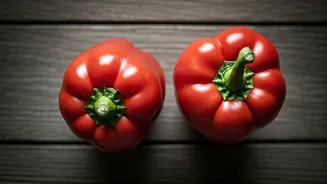
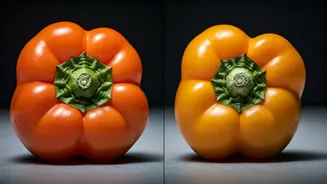
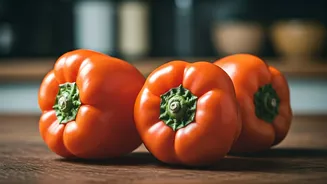
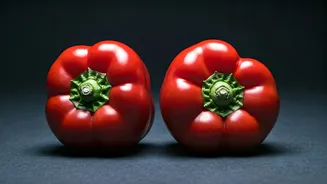
Delve into the intriguing distinction between capsicums based on their external lobes. Nauheed Cyrusi shared a culinary gem: capsicums with four bumps
are generally sweeter, making them ideal for fresh consumption, particularly in vibrant salads. Conversely, those featuring three bumps tend to be less sweet, rendering them more suitable for cooking applications. This seemingly minor difference can significantly influence the final taste profile of your meals, guiding you toward the perfect pepper for every recipe. While this observation is a handy kitchen hack, understanding the underlying factors can further enhance your culinary choices.
Sweetness Science Explained
Nutritionist Ashlesha Joshi clarifies that while the number of bumps is a useful indicator, the true sweetness of a capsicum is intrinsically linked to its natural sugar content and stage of ripeness. However, there's a valid reason behind the sweetness correlation with four-lobed capsicums. These often develop thicker walls and a higher concentration of sugars, partly due to increased sunlight exposure during their growth. This results in a milder, naturally sweet flavour profile perfect for enjoying raw. In contrast, three-lobed capsicums are typically firmer with a slightly more pronounced, robust flavour, sometimes bordering on bitter. Their denser structure allows them to withstand heat effectively, making them excellent choices for stir-fries, grilling, and sautéing without losing their integrity.
Nutritional Similarities
From a nutritional standpoint, Joshi assures that the number of lobes on a capsicum does not dictate a scientifically proven difference in its vitamin and antioxidant content. Both three- and four-bump varieties are excellent sources of vitamin C, crucial for immune function and skin health. They also provide valuable antioxidants like beta-carotene, which contributes to eye health and cellular protection, and a good amount of dietary fibre, essential for digestive well-being. The primary factors influencing nutritional value are the capsicum's ripeness and its colour. Generally, red and yellow capsicums boast higher levels of antioxidants and a sweeter taste compared to their green counterparts, irrespective of the number of bumps they possess.
Heat's Flavor Transformation
The application of heat during cooking profoundly alters the inherent flavour of capsicums. When subjected to heat, the sugars within the pepper begin to break down, and the cell walls soften. This process effectively reduces any underlying bitterness and amplifies the natural sweetness. For capsicums that are already naturally sweet, such as the four-lobed varieties, cooking deepens and caramelizes these sweet notes, adding layers of complexity to their taste. For firmer, slightly less sweet capsicums, heat serves to mellow out any sharp or bitter undertones, rendering them more palatable and enjoyable in cooked dishes. This transformation makes even the less sweet varieties a versatile ingredient.
Mastering Your Pick
Beyond the intriguing bump count, the colour of a capsicum serves as a highly reliable indicator of its ripeness and flavour. Green capsicums are generally less mature and possess a slightly bitter taste, best suited for cooking where their flavour can be mellowed. Yellow, orange, and red capsicums signify full ripeness, offering a naturally sweeter and more developed flavour profile, perfect for raw applications. When selecting your capsicum, also look for a surface that is glossy and firm to the touch. This visual and tactile cue is a strong sign of freshness and indicates that the pepper is likely packed with nutrients. Therefore, remember this simple guide: four bumps for sweet, raw delight; three bumps for robust, cooked flavour.