



Paratha's Humble Beginnings
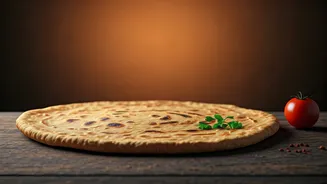
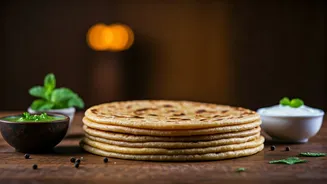
The Indian flatbread known as paratha, often savored for breakfast, is a culinary masterpiece celebrated for its golden hue, flaky texture, and layered
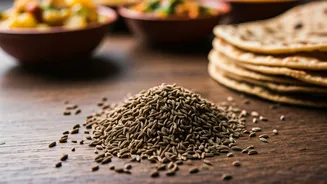
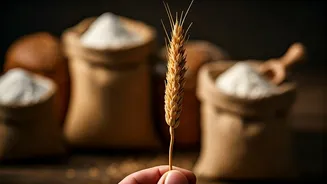
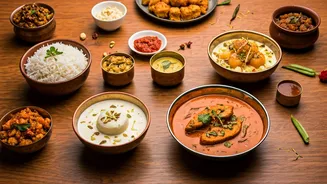
structure. Its name is a clever fusion of 'parat' and 'atta,' signifying the cooked, layered dough. Crafted from whole wheat flour and expertly baked using ghee, this versatile bread can be found in a spectrum of shapes, from classic rounds to intricate polygons. Parathas are frequently enhanced with a delightful array of fillings, including mashed potatoes, cauliflower, aromatic garlic and ginger, fiery chilies, soft paneer, or pungent radish. Complementing these flavorful creations are traditional accompaniments like pickles, cooling yogurt, homemade chutneys, and hearty meat or vegetable curries. In the Punjab region, paratha finds its perfect partner in lassi, a popular yogurt-based beverage. While its origins trace back to Peshawar, Pakistan, the paratha has since become a ubiquitous presence across India, a beloved staple gracing numerous street stalls and roadside eateries. Its southern Indian counterpart is known as parotta. For a unique sensory experience, some enjoy rolling a paratha into a thin pipe and dipping it into warm tea.
The Comfort of Paratha
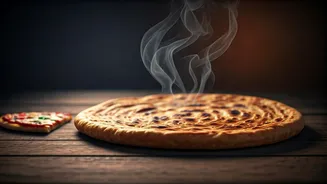
While Italian pizza boasts a dedicated following, the humble paratha offers an even more irresistible allure, making it difficult to stop at just one. This deeply comforting nature stems from its roots as an extension of roti, sharing the same fundamental flour base. However, parathas elevate this simplicity by incorporating rich, spiced fillings, imbuing them with a sense of familiarity and profound satisfaction. The warmth, heartiness, and frequent association with home-cooked meals create an undeniable pull, resonating with individuals across all age groups. This inherent comfort makes paratha a go-to choice for many seeking a taste of home and a moment of culinary bliss.
Endless Paratha Varieties
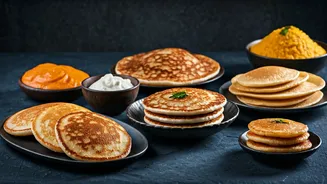
The sheer diversity of paratha fillings is a testament to its adaptability and widespread appeal. From the classic potato (aloo) and cheese (paneer) to cauliflower (gobhi) and mint (pudina), the possibilities are virtually boundless. This inherent customizability allows individuals to tailor their parathas to suit specific tastes, seasonal ingredients, or dietary preferences, ensuring there's a perfect paratha for every palate and lifestyle. This adaptability makes it an inclusive dish, readily embraced by a wide range of eaters.
Paratha: A Mealtime Staple
Though often linked with breakfast, the paratha's versatility extends far beyond the morning meal, proving itself a capable contender for any dining occasion. For breakfast, it pairs delightfully with curd and pickle. At lunchtime, it serves as an excellent accompaniment to a flavorful curry. As an evening snack, a warm cup of tea provides the ideal complement. And for dinner, a bowl of cooling raita completes the satisfying experience. This flexibility ensures that paratha remains a relevant and cherished dish throughout the day, adapting seamlessly to various culinary contexts and mealtime needs.
Nourishing and Filling
A well-prepared paratha offers a robust combination of carbohydrates, healthy fats, and, depending on the filling, a valuable source of protein. This nutritional profile provides sustained energy and a feeling of fullness that effectively combats hunger for extended periods. The balance of macronutrients contributes to its status as a satisfying and fortifying meal, making it an excellent choice for those seeking a substantial and long-lasting energy source.