


Embrace Electric Alternatives
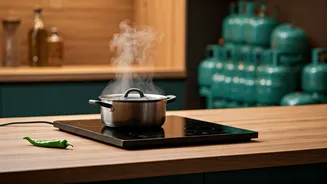
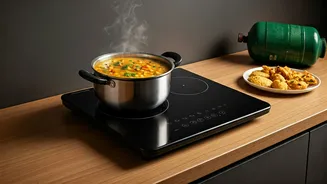
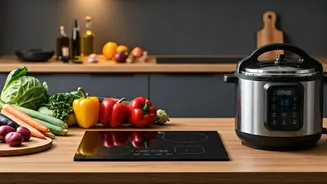
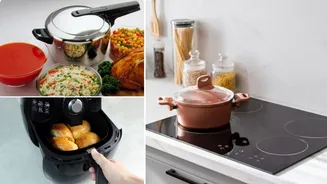
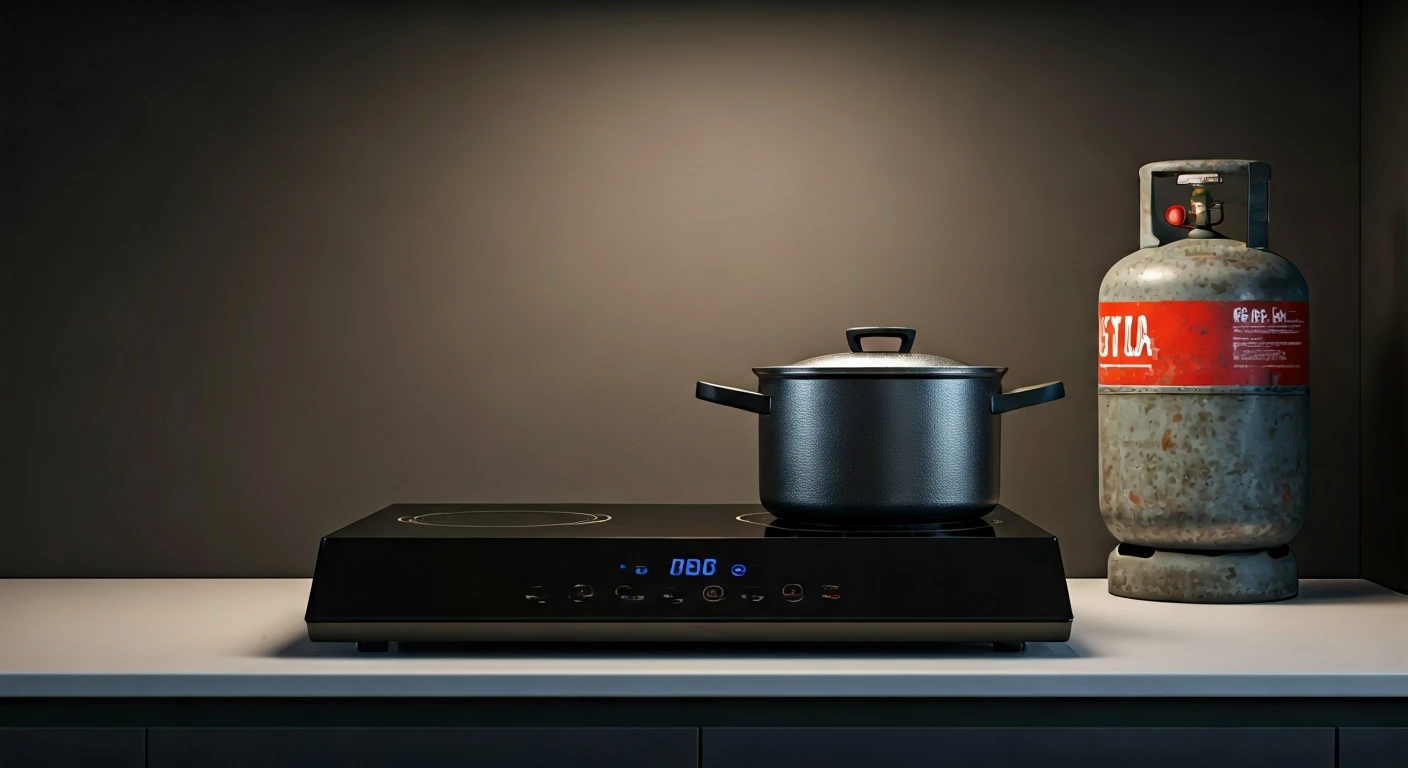
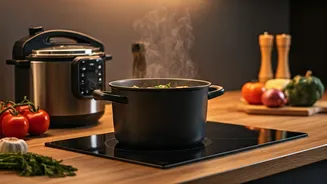
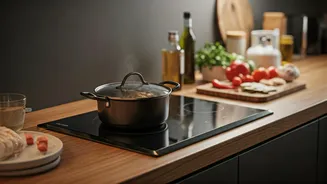
Don't let LPG worries halt your culinary routine. Many Indian kitchens already house convenient electric appliances that can step in. Induction cooktops
and electric heaters are excellent for everyday tasks like boiling milk or water, efficiently freeing up your gas supply for items that truly require an open flame, such as preparing rotis or dosas. Furthermore, your microwave and air fryer are more versatile than you might think; they can be used for 'roasting' vegetables or even cooking rice in a fraction of the time compared to traditional methods. If your residential complex offers Piped Natural Gas (PNG), consider it a worthwhile long-term solution for uninterrupted gas supply, eliminating the need for cylinder replacements and the associated anxiety.
Cook Smarter, Save Fuel
Conserving LPG doesn't mean compromising on meals; it's about adopting more strategic cooking practices. A fundamental yet effective trick is to soak ingredients like rice, rajma, or chana for at least an extra 30 minutes before cooking. This pre-soaking softens them considerably, drastically reducing the time and fuel needed to achieve perfect tenderness. Another critical habit is always using a lid while cooking. Leaving pots uncovered is akin to heating a room with open windows – it allows heat and steam to escape, prolonging cooking times. A well-fitted lid traps steam, builds internal pressure, and significantly speeds up the cooking process, often halving the time. For optimal fuel efficiency, embrace the concept of 'one-pot wonders' like Khichdi, Pulao, or Tehri, where you can cook grains, vegetables, and even proteins together in a single pressure cooker, minimizing the use of the burner.
The 'Zero-Flame' Menu
When LPG supply is a concern, the most efficient approach is to bypass the stove altogether. Indian cuisine is rich with fantastic no-cook or minimal-cook options perfect for light lunches or quick dinners. Curd Poha is an incredibly refreshing and filling dish: simply soak flattened rice briefly, drain, and mix with cold yogurt, finely chopped onions, green chilies, and a pinch of salt. For a protein-rich and instantly satisfying meal, sprout ingredients like moong or chana. Toss these sprouts with chopped tomatoes, cucumber, a squeeze of lemon, and a sprinkle of chaat masala for a delicious sprout salad that takes mere minutes. Another simple yet fulfilling option is Peanut Chaat, which involves mixing roasted peanuts with finely diced vegetables and seasoning, requiring absolutely no heat.
Global Tensions, Local Impact
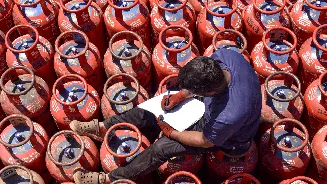
It might seem counterintuitive, but events unfolding thousands of miles away in the Middle East can directly influence your daily cooking in India. This connection stems from India's substantial reliance on imported LPG, with a significant portion sourced from countries in West Asia. A critical chokepoint for this global trade is the Strait of Hormuz, a narrow waterway through which a vast quantity of oil and gas tankers must pass. Any geopolitical instability, such as increased tensions or conflict between nations in that region, introduces significant risks for shipping. This can lead to higher insurance premiums for vessels, rerouting of ships, and overall logistical challenges. When the flow through this vital corridor is disrupted or becomes perilous, the ripple effect inevitably impacts supply chains, eventually reaching Indian households and potentially leading to LPG shortages.