





Cabin Dryness & Skin Woes
The air inside an airplane cabin is notoriously dry, often dipping below a 20 percent humidity level, making it significantly more arid than desert environments
like the Sahara. This arid atmosphere, coupled with the continuous circulation of recycled air, can lead to a substantial loss of moisture from your skin. Furthermore, the elevated altitude exposes you to increased UV radiation, and the limited mobility on a flight further exacerbates the problem. These factors combined can compromise your skin's natural barrier, leading to dryness, tightness, and flakiness. A former flight attendant highlights that your seating choice plays a pivotal role in how much your skin suffers from these harsh conditions. Understanding these elements is the first step to mitigating the negative effects of air travel on your complexion, ensuring you arrive at your destination with healthier, more hydrated skin.
Worst Seats for Skin
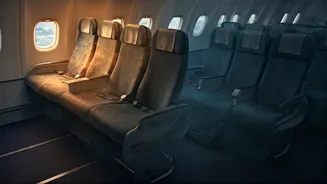
The window seat is identified as the least favorable spot for your skin. Passengers in this location often contend with intense UV exposure, minimal airflow, and colder temperatures radiating from the aircraft's exterior wall. These conditions conspire to draw moisture directly out of your skin. Following closely behind are the seats at the very front of the cabin, including premium business class sections, and the last five rows towards the tail. These areas experience the most significant fluctuations in air pressure and humidity, particularly during takeoff and landing phases. The combined effect of these environmental factors amplifies moisture loss, leaving your skin feeling parched and vulnerable. It's crucial to be aware of these zones to make informed decisions for your next flight, prioritizing your skin's well-being.
Better Seating Options
For those seeking a more skin-friendly environment, bulkhead rows offer a moderately better experience. The advantage of these seats often lies in increased legroom, which can facilitate a more direct and stronger airflow from overhead vents, helping to maintain a slightly more comfortable humidity level. Even more beneficial are the seats situated directly above the aircraft's wings. The structural integrity of the wing area is believed to help stabilize pressure and humidity levels, providing a more consistent environment for your skin. While these options are an improvement, they still don't offer the optimal conditions for preventing skin dehydration during a flight. Considering these alternatives can lead to a less taxing journey for your complexion compared to the most problematic seating areas.
The Ideal Spot for Skin
The ultimate sanctuary for your skin on an airplane is a mid-cabin aisle seat. This location is favored due to its stable airflow, which ensures a more consistent and less extreme temperature environment. Passengers in these seats also benefit from easier movement, promoting better circulation throughout the body, which can indirectly aid skin health. The reduced exposure to drastic humidity and pressure shifts makes this area the most conducive to retaining your skin's natural moisture. By strategically choosing an aisle seat in the central part of the plane, you can significantly mitigate the dehydrating effects of air travel, landing with a complexion that feels far more comfortable and revitalized. This simple seating choice can make a remarkable difference in your in-flight skin experience.
Pre-Flight Skin Care
To further protect your skin, several pre-flight rituals can be highly beneficial. It's advisable to avoid potent 'active' ingredients like retinol or exfoliating acids for at least 24 hours prior to your flight, as these can heighten skin sensitivity and dryness. Applying a robust barrier cream before you even reach the airport, rather than once you're on board, creates a protective shield that helps lock in moisture. This proactive approach ensures your skin is better equipped to handle the arid cabin air from the moment you board. Additionally, slathering on SPF, especially if you're in a window seat, is crucial, as UV rays can penetrate the cabin glass. Lastly, prioritize hydration by drinking ample water well before the beverage cart arrives, ensuring your body and skin are well-hydrated throughout the journey.