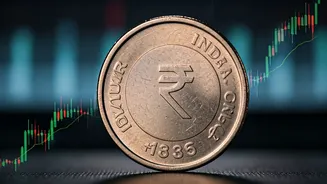




Market Overview
The Indian stock market encompasses a diverse range of companies and sectors, each influenced by specific economic factors. Several companies like Tata
Motors, GAIL, and HDFC Bank are active participants. The Reserve Bank of India (RBI) and the US Federal Reserve play crucial roles, influencing market dynamics through monetary policies. Budget 2025 and trade deals also shape market behavior. Key indices such as the Sensex and Nifty serve as benchmarks, reflecting overall market performance. Furthermore, expert advice and market analysis tools are valuable resources for investors, aiding in informed decision-making. Different sectors, including energy, finance, and technology, contribute to the market’s overall volatility and growth.
Investment Avenues
Numerous investment options exist within the Indian stock market, catering to various risk appetites. Investors often consider shares of established companies such as Tata Motors, Infosys, and HDFC Bank. Mutual funds, especially top-rated and multi-cap funds, provide diversified investment opportunities, some of which are focused on tax savings. IPOs, like Solarworld Energy Solutions and Saatvik Green Energy, present opportunities for early-stage investment, though they come with their unique risks. Index funds and hybrid funds offer further diversification, aiming to balance risk and returns. SIPs starting from as low as ₹500 allow systematic investment and long-term wealth creation, and these options attract investors by offering a disciplined approach to market participation.
Factors Impacting Markets
Several macro factors significantly affect the Indian stock market. Macro tailwinds, currency concerns, and sector rotation all influence market movements. Global liquidity and the policies of the US Federal Reserve impact market sentiment and investment flows. The performance of specific sectors, such as energy and finance, also plays a crucial role. Events like the Budget 2025 and any potential trade deals create both opportunities and risks, demanding careful analysis and strategic adjustments. Furthermore, the overall market mood and investor sentiment, along with any significant earnings recovery, contribute to the cyclical nature of the market, which requires a strategic approach.
Key Market Players
The Indian stock market is shaped by the actions of key players, including financial institutions, regulatory bodies, and major corporations. HDFC Bank's interactions with the RBI, for example, are a noteworthy element, and any regulatory decisions impact the overall environment. Companies like Tata Motors, Reliance, and Adani contribute significantly to market capitalization. The government's fiscal policies, as outlined in the Budget 2025, also directly affect market dynamics, influencing investor behavior and sector-specific performance. Stock analysts, investment advisors, and financial experts offer insights and recommendations that guide investor decisions, further influencing market trends and strategies.
Understanding Risk
Investing in the stock market involves inherent risks. Market volatility, influenced by economic conditions, global events, and sector-specific factors, can lead to price fluctuations. IPOs, while potentially lucrative, carry risks such as market uncertainty and regulatory changes. Currency market volatility can also affect investments, especially for foreign investors or those exposed to currency exchange. Risk management strategies, including diversification and the use of financial tools, are essential to mitigate potential losses. Investors should carefully analyze market trends, assess their risk tolerance, and seek expert advice to make informed investment decisions, understanding that past performance is not indicative of future returns.