



The 'Duck Walk' Explained
Malaika Arora, 52, has openly discussed her unique way of walking, often termed the 'duck walk'. Far from being just a quirky habit, she revealed that
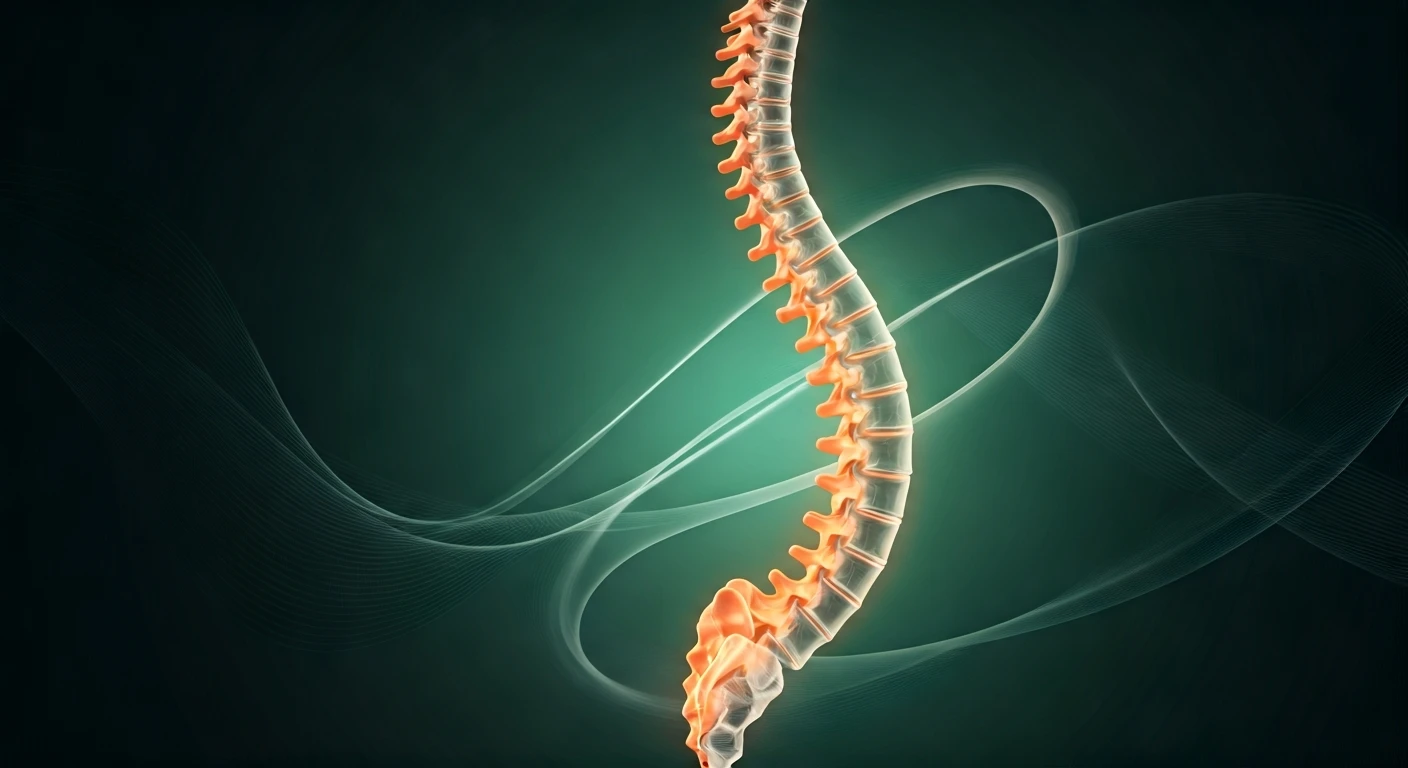
this peculiar gait is actually a recommendation from her doctor. Due to persistent lower back issues, often exacerbated by frequent high-heel wear, her physician advised her to incorporate a specific walking pattern daily. This involves turning the feet inward for a short duration each morning and evening, aiming for 10-15 steps in each session. Arora credits this practice for significantly aiding her body's alignment, especially in counteracting the common tendency to slouch, a posture that can lead to spinal strain.
Expert Insights on Alignment
Dr. Sarang Deshpande, a consultant in orthopaedics and joint replacement at KIMS Hospitals, Thane, elaborated on the 'duck walk' as a deliberately controlled form of movement. He described it as a walking pattern where the feet are slightly turned inwards, and each step is taken with mindfulness and slowness. The primary objective, according to Dr. Deshpande, is to retrain the body's natural alignment. He highlighted that many individuals today, particularly those who spend long hours sitting or frequently wear high heels, develop compromised posture. This can manifest as rounded shoulders, an overly pronounced curve in the lower back, and an uneven distribution of body weight. The 'duck walk,' when executed correctly, can foster improved engagement of the crucial hip muscles, thigh muscles, and core, all of which are essential for supporting the spinal column. Moderate and proper execution of this exercise can contribute positively to enhancing balance and overall body awareness.
Addressing Heel-Related Pain
The connection between wearing high heels and lower back pain is a significant concern, and the 'duck walk' may offer some corrective benefits. Dr. Deshpande explained that the habitual use of heels shifts the body's natural center of gravity forward. This forward shift consequently places increased pressure and strain on both the lower back and the knees. Over an extended period, this can culminate in persistent discomfort or even chronic pain. Exercises like the 'duck walk' can serve as a compensatory movement by activating muscles that might otherwise be underutilized. This helps in gently rectifying posture and reducing the undue stress on the lumbar spine. However, it is crucial to understand that this exercise is not a singular solution. A comprehensive approach that includes reducing the frequency of heel wear, incorporating regular stretching routines, and performing targeted strengthening exercises is equally vital for long-term relief and prevention.
Safety and Considerations
While the 'duck walk' can be beneficial for some, Dr. Deshpande cautioned that it is not a universally safe exercise for everyone. Individuals who experience knee pain, have sustained ligament injuries, suffer from hip issues, or face challenges with balance should refrain from attempting this exercise without prior consultation and guidance from a medical professional. Improper technique or attempting the walk with an existing joint problem can inadvertently lead to increased pressure on the joints, with the knees being particularly vulnerable. Therefore, a personalized assessment by a healthcare provider is recommended to determine if this movement is appropriate for an individual's specific physical condition and needs before incorporating it into a routine.
Safe Integration into Routine
For those who receive a doctor's recommendation to perform the 'duck walk,' integration into a daily routine should be approached with care and moderation. Dr. Deshpande suggests performing this exercise in short, manageable sessions, typically consisting of 10 to 15 steps, once or twice a day. The emphasis should always be on executing slow, deliberate, and controlled movements, rather than focusing on speed or increasing intensity. Furthermore, it is imperative to remember that the 'duck walk' is most effective when it is part of a broader strategy for physical well-being. This includes actively working on overall posture correction, making conscious choices about footwear, and maintaining a consistent schedule of general physical activity. These complementary practices are essential for achieving and sustaining long-term health benefits.