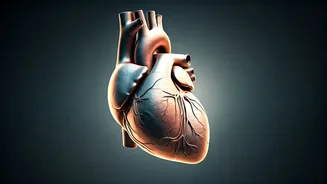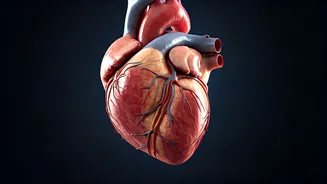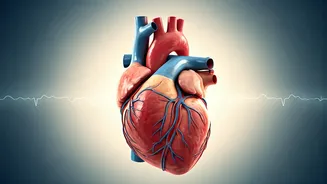




The Heart Attack Time Crunch
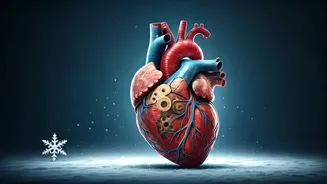
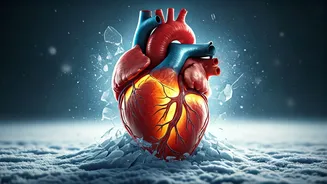
Clearing snow might appear as a routine winter chore, but cardiologists warn it's a significant hazard for the heart. Heart attacks linked to snow shoveling
frequently occur within the first 10 to 15 minutes of the activity. This rapid onset isn't due to any inherent magic in snow, but rather a confluence of dangerous factors. Experts highlight that snow shoveling presents a 'perfect storm' by combining sudden, intense physical exertion with the body's response to cold. This abrupt demand on the cardiovascular system can overwhelm it before it has adequate time to adjust. The initial moments are particularly critical, as the body's stress response escalates rapidly, making the heart highly vulnerable to triggering an event.
Why Snow Shoveling is Risky
The inherent danger in snow shoveling stems from a unique combination of physiological stressors. It demands sudden, strenuous physical effort, often with heavy, wet snow, which significantly increases the load on the heart. Simultaneously, cold exposure causes blood vessels to constrict, raising blood pressure and forcing the heart to work harder. Many individuals undertake this task after prolonged periods of inactivity, meaning their bodies are unprepared for such an intense demand. Adding to this, the common practice of holding one's breath while lifting (the Valsalva maneuver) causes a sharp surge in blood pressure. These combined elements can critically strain the heart, especially in individuals with underlying, perhaps undiagnosed, coronary artery disease, leading to a dangerous imbalance between oxygen supply and demand.
Smart Shoveling Techniques
To navigate the risks associated with snow shoveling, it's vital to reframe the activity entirely; it should not be treated as a high-intensity workout. Avoid rushing or attempting to 'power through' the task. The initial period is the most perilous, so prioritize a gradual approach. Whenever possible, opt for pushing snow rather than lifting it, as lifting heavy loads, particularly when combined with breath-holding, leads to significant blood pressure spikes. When lifting is unavoidable, engage your legs and core muscles by bending at the hips and knees, keeping the load close to your body, and avoiding any twisting motions. This technique distributes the effort more evenly and reduces undue strain on the upper body and the heart.
Cold Weather's Cardiovascular Impact
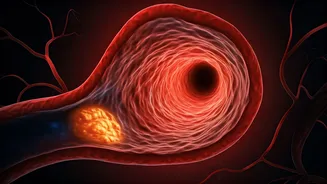
Cold weather inherently alters how the heart and blood vessels function. To maintain core body temperature, the body constricts peripheral blood vessels, a process known as vasoconstriction. This narrowing of vessels increases blood pressure and requires the heart to exert more force to circulate blood effectively. Furthermore, cold exposure can elevate levels of stress hormones like adrenaline, which accelerates the heart rate and amplifies the body's demand for oxygen. When this heightened physiological state is combined with the physical exertion of snow shoveling, the heart's oxygen requirements can exceed the supply, especially if arteries are already compromised by conditions like atherosclerosis. This critical mismatch is a primary driver of potential cardiac events during winter activities.
Essential Winter Precautions
Before engaging in physically demanding tasks in the cold, several precautions are essential. It's crucial to avoid sudden, intense bursts of activity and to incorporate a thorough warm-up period to prepare the body. Snow shoveling sessions should be broken into shorter durations with frequent breaks, and snow should be cleared in smaller, manageable loads rather than attempting to move large quantities at once. Dressing in layers is also important for managing body temperature and minimizing cold-related stress. Individuals with pre-existing cardiovascular risk factors—such as high blood pressure, diabetes, a history of smoking, obesity, or a family history of heart disease—must exercise extreme caution and may even consider avoiding heavy snow shoveling altogether. Any symptoms like chest discomfort, shortness of breath, dizziness, or unusual fatigue should never be ignored and warrant immediate medical attention.