





Maximize Vertical Storage
Embrace the often-underutilized vertical space within your cabinets and drawers. Professional organizers suggest using stackable containers and shelf risers
to create distinct levels. This technique allows you to store more items neatly, keeping less frequently used essentials out of sight. By assigning a specific spot for every item, you significantly reduce the visual clutter on your countertops and ensure that everything has a designated home, making your kitchen feel much more open and manageable. This approach is key to taming the everyday disarray that kitchens are prone to.
Declutter Labels
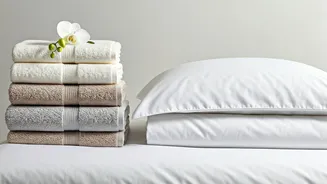
Visual distractions from labels on various bottles and packaging can contribute to a cluttered appearance. Experts recommend either removing these labels entirely or transferring contents into uniform, matching containers. For items that require identification, consider simple, elegant labels for contents like 'soap' or 'olive oil'. This not only tidies up the look but also creates a sense of cohesion, akin to a high-end hotel bathroom. Opting for attractive, reusable containers can elevate the aesthetic while maintaining organizational clarity, effectively reducing the visual noise that often plagues kitchen surfaces.
Weekly Fridge Reset
Maintaining a consistent weekly routine for your refrigerator is crucial to prevent it from becoming an overwhelming source of clutter and potential odors. A quick reset, perhaps during a Sunday pantry check, involves a simple wipe-down and discarding any expired items. This small, consistent effort ensures your fridge remains fresh, manageable, and visually appealing week after week, preventing the gradual accumulation of forgotten leftovers and misplaced items that contribute to a disorganised feel.
Create a Coffee Station
For households where coffee or tea is a daily ritual, designating a specific area or 'station' for related items can significantly declutter the kitchen. While the coffee maker or hot water boiler might remain on the counter, all accompanying supplies—filters, grounds, tea leaves, mugs, and strainers—should be conveniently stored in nearby drawers or cabinets. This containment strategy ensures that frequently used items are easily accessible, yet off the main counter space, creating a streamlined and aesthetically pleasing setup that also adds a touch of charm.
Implement a "Use Now" Bin
Combat food waste and pantry disarray by implementing a 'Use Now' bin. If your pantry has sufficient space, designate a specific area for items that are nearing their expiration date or have a shorter shelf life. This proactive system not only helps reduce the amount of food you discard but also keeps your pantry organized and visually tidy. By making these items prominent, you encourage their use before they go bad, contributing to a more sustainable and less cluttered kitchen environment.
Group Similar Items
Within closed storage areas like cabinets and drawers, the practice of grouping like items together is highly recommended. Utilize bins, containers, and dividers to keep similar categories of items separate. For instance, all baking supplies can reside in one container, while kitchen gadgets like scissors have their own. The goal is to achieve instant visibility, allowing you to see everything at a glance without rummaging through drawers, thereby fostering a sense of order and efficiency in your kitchen storage.
Rotate Fridge Display
While personal touches like magnets or artwork on the refrigerator can add warmth, an excessive accumulation can lead to visual clutter. Professional organizers suggest limiting the number of displayed items and rotating them regularly. A few carefully chosen pieces can maintain a personal feel without contributing to the overall 'noise' of the kitchen. This intentional approach keeps the fridge looking tidy and prevents it from becoming a magnet for distracting clutter.
Manage Paper Clutter
Kitchen counters often become a landing zone for mail and other papers, leading to significant clutter. To prevent this, it's vital to establish a system for managing incoming paper. A key strategy is to immediately discard junk mail before it even enters the house. For important documents that require action, create a dedicated folder or inbox. This proactive approach ensures that essential papers don't end up scattered across your kitchen surfaces, maintaining a cleaner and more organized appearance.