



Sooji Upma: Classic Comfort
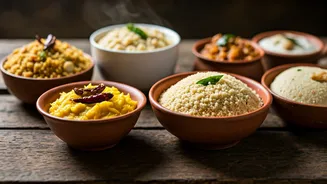
Upma, the undisputed king of sooji breakfasts, is a dish beloved across India. The recipe typically starts with roasting sooji to enhance its nutty flavor.
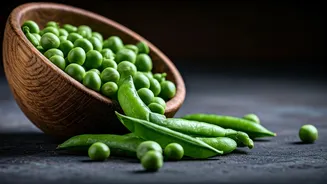
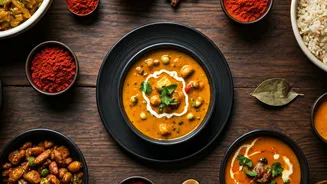
Next, it involves tempering mustard seeds, urad dal, and chana dal in hot oil. Vegetables like onions, tomatoes, and green chilies are sautéed until softened, then water is added and brought to a boil. Finally, the roasted sooji is gradually incorporated, cooking until the mixture thickens and the water is absorbed. Garnish with fresh coriander leaves and a squeeze of lemon juice for an extra zing. This timeless classic can be customized by adding various vegetables like peas, carrots, and beans to make it even more nutritious.
Sooji Halwa: Sweet Indulgence
Sooji halwa is a sweet treat that is frequently enjoyed during celebrations and festivals. Preparing this dish involves roasting sooji in ghee until it turns golden brown and emits a delightful aroma. In a separate pan, water is boiled with sugar and cardamom. The roasted sooji is slowly added to the boiling sugar syrup, stirring continuously to prevent lumps. The halwa is cooked until the liquid is absorbed and the mixture thickens, often garnished with nuts like cashews and raisins. The addition of saffron strands adds a luxurious touch, enhancing both the color and flavor of this sweet dish. It is a simple yet deeply satisfying dessert that appeals to all ages.
Sooji Dosa: Crispy Delights
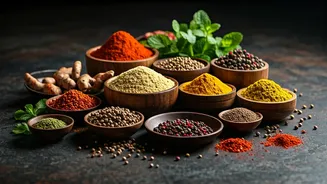
Sooji dosa offers a crispy and light alternative to the traditional fermented rice and lentil dosa. To make sooji dosa, a batter is created using sooji, rice flour, yogurt, and spices. The batter is rested for a while to let the sooji absorb the liquids. This ensures the dosas become crispy. The batter is then poured onto a hot griddle and cooked until golden brown and crisp. Serve these dosas with sambar and chutney for a complete South Indian breakfast experience. The addition of finely chopped onions, green chilies, and coriander leaves in the batter adds extra flavor and texture to the dosas.
Sooji Idli: Steamed Softness
Sooji idli provides a quick and easy way to enjoy the classic South Indian idli. The process involves mixing sooji with yogurt, spices, and a leavening agent like baking soda. The batter is then steamed in idli molds until fluffy and soft. Serve the idlis with sambar and coconut chutney. To enhance the flavor and texture, grated vegetables like carrots and finely chopped herbs can be added to the batter. The convenience and simplicity of this dish make it a popular choice for busy mornings, while the soft texture makes it easy to digest.
Sooji Uttapam: Savory Pancakes
Sooji uttapam is a thick, pancake-like dish that is both filling and flavorful. To create this dish, a batter made from sooji, yogurt, and spices is prepared. The batter is poured onto a hot griddle, and toppings like chopped onions, tomatoes, and chilies are added. The uttapams are cooked until golden brown on both sides. Serve them with chutney and sambar for a satisfying breakfast. The versatility of uttapam allows for experimentation with various toppings such as bell peppers, capsicum and even cheese, making it a customizable breakfast option that caters to different preferences.
Sooji Poha: Quick and Easy
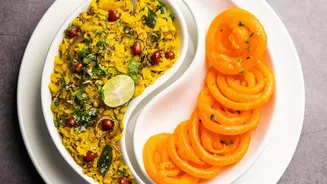
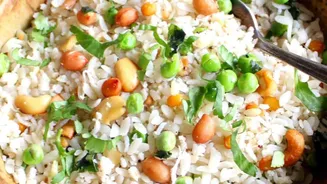
Sooji poha is a variation of the traditional poha, with sooji replacing flattened rice. It’s prepared by tempering mustard seeds, onions, and curry leaves in hot oil. Add the sooji and sauté for a few minutes. Add water and cook until the sooji softens and the water is absorbed. Garnish with fresh coriander leaves and a squeeze of lemon juice. This dish is ready in minutes, making it an excellent choice for those short on time. Vegetables like peas and potatoes can be included for added nutrients and flavor. The light and flavorful nature of sooji poha makes it a delightful way to start the day.
Sooji Kheer: Creamy Dessert
Sooji kheer is a creamy and rich dessert perfect for breakfast or any time of the day. The preparation begins by roasting sooji in ghee until it turns golden. Milk is then added, along with sugar and cardamom. The mixture is cooked until the sooji softens and the kheer thickens. Garnishing with nuts like almonds and pistachios adds texture and flavor. The addition of saffron strands adds color and a delicate aroma. This dish is usually served warm or chilled. It provides a sweet end to a meal and is a favorite among children and adults alike.
Sooji Cutlets: Crispy Bites
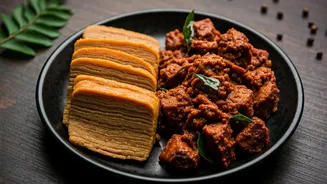
Sooji cutlets offer a savory and crispy breakfast option. The cutlets are prepared by mixing cooked sooji with mashed potatoes, spices, and herbs. These mixtures are shaped into cutlets and shallow-fried or pan-fried until golden brown and crispy. Serve them with tomato ketchup or mint chutney for dipping. Adding vegetables like carrots and beans to the mixture makes the cutlets more nutritious. These cutlets are great for making ahead of time and can be stored for later use, making them a great meal prep option.
Sooji Paratha: Flaky Bread
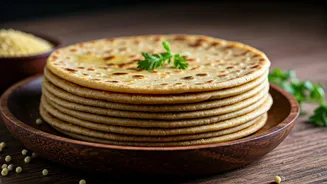
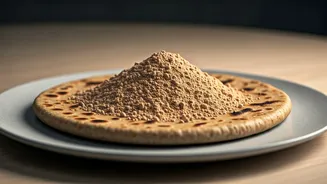
Sooji paratha is a unique twist on the traditional paratha, using sooji for the filling. To create this paratha, sooji is mixed with spices and rolled inside wheat dough. The parathas are then cooked on a griddle until golden brown and flaky. Serve these parathas with yogurt or a vegetable curry. This variation offers a different texture and flavor from the traditional paratha, making it a delightful change of pace. The sooji filling adds a subtle nutty flavor and a satisfying texture to the paratha.
Sooji Rolls: Quick Snacks
Sooji rolls are a quick and easy snack or breakfast option. To prepare these rolls, cooked sooji is mixed with vegetables and spices, then rolled into a cylindrical shape. They can be shallow-fried or steamed until cooked through. These rolls are served with a variety of chutneys or sauces. The addition of vegetables like carrots, peas, and bell peppers in the filling increases their nutritional value. These rolls are a great way to use leftover sooji and are suitable for quick breakfasts or as snacks on the go, providing a tasty and convenient meal option.