





Appearance & Naming Origins
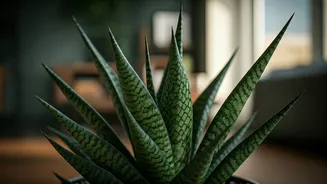
Snake plants, scientifically known as Sansevieria, are popular houseplants celebrated for their striking, upright foliage and low-maintenance nature. Their
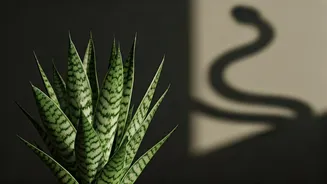
common moniker arises purely from the visual resemblance of their leaves to serpentine forms; they are tall, sword-like, and sometimes feature patterns reminiscent of reptile scales. This descriptive naming convention, however, has unfortunately led to a widespread misconception that the plant itself possesses an inherent ability to draw snakes. It's crucial to understand that this link is purely superficial, stemming from the plant's aesthetic qualities rather than any biological or chemical attractant it might possess. The name is simply a way to categorize its unique appearance, much like other plants or objects named after their look-alike counterparts, without implying any actual connection to the creature.
Do Plants Lure Snakes?
Contrary to popular belief, snake plants do not emit any scents, chemicals, or specific signals designed to attract snakes. Reptiles are primarily driven by instinctual needs for survival, which include the availability of food, suitable temperatures, shelter, and water sources. The presence of a snake plant, or any plant for that matter, does not fulfill these fundamental requirements for snakes. Scientific observations and studies of snake behavior consistently indicate that their movements are dictated by environmental cues and the search for resources. Therefore, a snake plant's existence in an area does not create a draw for snakes because it doesn't offer any of the essential elements they seek out for their well-being and survival.
Environmental Factors for Snakes
The presence of snakes in any given environment is predominantly influenced by the availability of crucial survival elements. Snakes are opportunistic creatures, and their habitat choices are dictated by access to food sources, such as rodents, insects, or other small animals, and suitable hiding places. Areas with abundant prey and numerous nooks or crannies, like overgrown vegetation, cluttered spaces, or structural openings, are far more likely to attract snakes. Conversely, the mere presence of snake plants, whether indoors or outdoors, does not alter these fundamental environmental conditions. These plants do not contribute to the food chain that snakes rely on, nor do they create the necessary shelter or environmental conditions that would entice them to inhabit an area.
Indoor vs. Outdoor Placement
When snake plants are cultivated indoors, they reside in environments that are typically sealed and controlled. For snakes to enter such spaces, they would require direct access through existing structural openings like doors, windows, vents, or unnoticed cracks. A snake plant inside a room does not create or facilitate these entry points. Any snake activity observed indoors is a consequence of external environmental factors and the availability of access routes, completely independent of the plant's presence. The plant itself does not emit any attractants, nor does it create pathways that would encourage a snake to venture inside. Similarly, when planted outdoors, snake plants contribute to the general landscape but do not offer the dense habitat or specific conditions that would significantly influence snake populations.
Misconceptions from Names
The association between snake plants and actual snakes is a prime example of how common names can lead to popular misconceptions. The term 'snake plant' was coined due to its physical appearance, specifically the long, often patterned leaves that bear a visual resemblance to a serpent. This naming convention, common across flora and fauna, is purely descriptive and lacks any scientific basis for a direct relationship between the plant and the reptile. Many other plants and objects share similar naming origins, where the name reflects a visual likeness rather than a functional or biological connection. It's important to rely on scientific understanding rather than etymological associations to avoid spreading unfounded myths.