





Understanding Stress Response
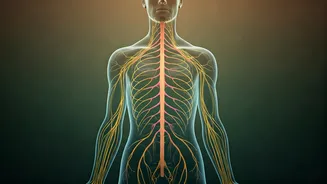
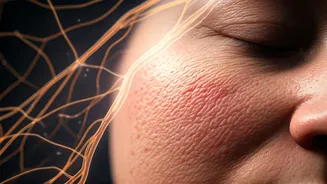
In our fast-paced world, stress has become a constant companion, triggering the body's 'fight-or-flight' sympathetic nervous system. This response, initiated
by the brain perceiving threats, floods the body with adrenaline and cortisol. While beneficial in short bursts for survival, chronic activation of this system leads to elevated heart rate and blood pressure. Prolonged high cortisol levels can impair cognitive functions, leaving us anxious and reactive. The key to managing this is to consciously shift from the 'sympathetic' mode to the 'parasympathetic' mode, often referred to as 'rest and digest,' which promotes relaxation and recovery.
Cat-Cow Synergy
Begin your reset with the Cat-Cow pose, an excellent spinal warm-up that synchronizes breath with movement. On an inhale, arch your back and lift your gaze, embodying the Cow pose. Then, as you exhale, round your spine towards the ceiling, tucking your chin to your chest in the Cat pose. This gentle flow lubricates the entire spine, much like clearing congestion in your nervous system. It's a simple yet profound way to re-establish the connection between your breath and body, promoting fluidity and releasing initial tension.
Forward Fold Perspective
Next, transition into the Forward Fold (Uttanasana). Stand tall, and from your hips, hinge forward with a straight back, allowing your head and arms to hang loosely towards the floor. This inversion of blood flow sends revitalizing oxygenated blood to your brain, offering a unique perspective on challenges. By literally turning your world upside down, it can make seemingly insurmountable problems feel more manageable, fostering a sense of relief and mental clarity.
Child's Pose Comfort
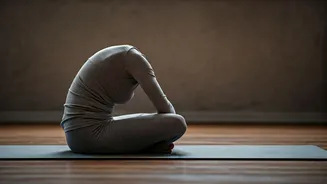
Embrace the comforting embrace of Child's Pose (Balasana). Kneel on your mat, bring your big toes to touch, and sit back on your heels. Fold your torso forward, resting your forehead on the mat and extending your arms forward or letting them rest alongside your body. This pose is a deeply grounding experience, stretching the lower back and sending a powerful message of safety to your brain. It’s often described as a profound hug from the earth, dissolving the ego and promoting deep relaxation.
Legs Up The Wall
Conclude your sequence with Viparita Karani, or Legs Up the Wall pose. Lie on your back with your hips as close to a wall as comfortable, and extend your legs straight up the wall. This restorative posture encourages blood to flow away from the legs and towards the torso, alleviating tired legs and reducing swelling. It's incredibly effective at calming the nervous system, instantly lowering blood pressure and promoting a profound sense of deep relaxation, signaling your body that it's safe to rest.
Final Stillness and Integration
Finally, as you come out of your poses, lie flat on your back in a resting position, palms facing upwards, and close your eyes. This final stage is crucial for allowing your body to absorb the benefits of the practice. It’s a moment of pure being, where the nervous system fully shifts into parasympathetic mode. This stillness allows your body and mind to recharge, integrating the sense of calm and clarity, leaving you feeling refreshed and grounded. This practice doesn't just reduce stress; it builds resilience for daily life.