


Groom's Majestic Ride?
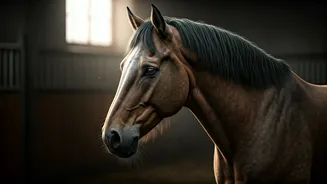
Shantanu Naidu, a prominent figure in the Indian corporate world, has ignited a vital discussion about the age-old tradition of grooms arriving on horseback
for their baraats. While often viewed as a symbol of auspiciousness and grandeur in many Indian cultures, this practice conceals a troubling reality for the animals involved. Naidu, through his online platform 'Sock Talks,' has shared a compelling video that sheds light on the significant distress and suffering these horses endure, prompting a re-evaluation of this deeply ingrained custom. His powerful statement, 'If you have included a horse in your wedding procession, there is blood on your hands,' serves as a stark reminder of the ethical implications that often go unnoticed amidst wedding celebrations.
Behind the Scenes Torment
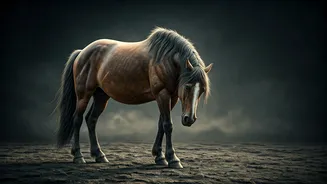
The video shared by Shantanu Naidu exposes the grim conditions horses face even before they reach the wedding venue. He explains that these animals are often transported in cramped, small trucks that lack adequate ventilation and light, creating a stifling and distressing environment. Furthermore, to ensure they do not soil themselves during the ceremony, horses are frequently denied food and water for extended periods, leading to dehydration and hunger. This deprivation continues even while they are forced to stand for hours on hot, unforgiving concrete surfaces. The pain inflicted on their hooves, which are not designed for such environments, is likened by Naidu to the agonizing sensation of having one's nails pulled, underscoring the severe physical discomfort they experience.
Cruel Control Tactics
Beyond the transport and prolonged standing, Naidu reveals further disturbing practices employed to control horses during baraats. In environments often amplified by loud music and fireworks, which are inherently stressful for animals, handlers may resort to inserting 'steel spikes' into the horses' gums. This cruel method is used to enforce obedience and prevent any signs of distress or panic. The stark conclusion drawn from these accounts is a chilling one: Naidu asserts that in India, the 'luckiest horses are the ones that die early,' implying that premature death is a form of escape from the prolonged suffering inherent in this tradition.
A Call for Compassion
The viral video has resonated deeply with many, sparking a wave of reflective comments from online users. Several individuals shared personal anecdotes and expressed their commitment to more humane wedding practices. One user recounted how their family refused a horse for their son-in-law's baraat, opting for a car instead. Another commenter emphasized the need to question the practice of using animals for entertainment when modern alternatives are readily available, advocating for celebrations that reflect kindness and consideration. This growing sentiment indicates a shift towards prioritizing compassion over tradition, with many actively choosing to exclude animal exploitation from their joyous occasions.